Sustainable Weight Loss and Metabolic Health
Metabolic Adaptation Dynamics
The Body Fights Back
When you consistently eat in a calorie deficit to lose weight, your body doesn't just passively burn fat. It actively resists. This isn't a flaw; it's a sophisticated survival mechanism honed by millennia of uncertain food availability. Your body interprets a sustained energy deficit as a threat and initiates a series of changes to conserve energy and halt weight loss.
The metabolism isn't breaking; it's adapting. It's becoming more efficient with the fuel it receives.
This response is more complex than the simple metabolic slowdown from weighing less. As you lose body mass, your Resting Metabolic Rate (RMR) naturally decreases because there's less tissue to maintain. But the body often overshoots, reducing energy expenditure more than predicted by the loss of mass alone. This extra drop is the core of metabolic adaptation.
Adaptive Thermogenesis
noun
The decrease in total daily energy expenditure (TDEE) beyond what can be explained by changes in body mass. It is a direct physiological response to a perceived energy deficit, aimed at conserving energy.
This adaptation primarily targets two key components of your daily energy use: your Resting Metabolic Rate (RMR) and your Non-Exercise Activity Thermogenesis (NEAT). RMR is the energy you burn at complete rest, while NEAT is the energy spent on everything we do that is not sleeping, eating, or sports-like exercise—like walking to the office, fidgeting, or even maintaining posture. During a deficit, both can decrease, leading to a noticeable drop in your overall calorie burn.
Hormonal Gatekeepers
This adaptive process isn't random; it's orchestrated by a symphony of hormones that regulate energy balance. When you lose body fat, the signals these hormones send to your brain change dramatically.
Leptin: Produced by fat cells, leptin is often called the "satiety hormone." When fat stores shrink, leptin levels plummet. The brain interprets low leptin as a sign of starvation, triggering a cascade of responses: it ramps up hunger signals and dials down metabolic rate to conserve energy.
Thyroid Hormones: Your thyroid acts as the body's thermostat. In response to a calorie deficit and falling leptin, the conversion of the less active thyroid hormone T4 to the more active T3 can be reduced. Lower levels of active T3 directly slow down your RMR.
Insulin: While primarily known for managing blood sugar, insulin also plays a role in energy regulation. As you eat less, insulin levels typically fall, which is beneficial for fat burning but also contributes to the overall hormonal signal that energy is scarce.
Beyond these internal metabolic adjustments, your body also finds subtle ways to conserve energy through movement. This is where Non-Exercise Activity Thermogenesis (NEAT) comes in. When you're in a prolonged deficit, you might subconsciously reduce your NEAT. You may find yourself fidgeting less, opting for the elevator instead of the stairs, or feeling more lethargic in general. These small, often unnoticed changes in daily activity can add up to a significant reduction in your total daily energy expenditure, further slowing weight loss.
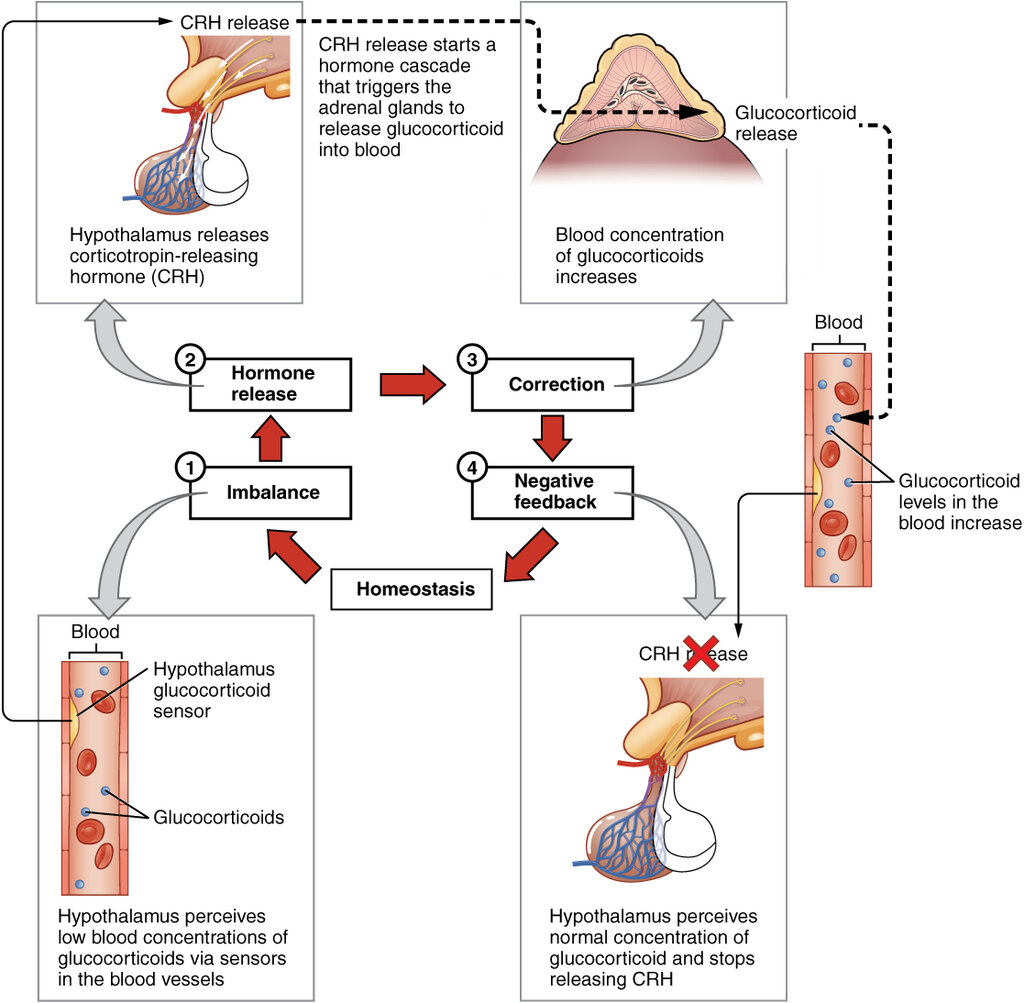
When calorie intake falls or body fat decreases, biological defenses activate to preserve energy stores, increase hunger, and restore the lost weight.
Working With Your Metabolism
The magnitude of metabolic adaptation often correlates with the severity of the diet. A very aggressive, low-calorie diet can trigger a more pronounced adaptive response than a moderate deficit. This understanding has led to new strategies for making weight loss more sustainable.
One of the most notable studies in this area is the MATADOR study, which stands for Minimizing Adaptive Thermogenesis And Deactivating Obesity Rebound.
The findings from studies like MATADOR suggest that instead of continuously pushing against your body's survival mechanisms, it can be more effective to work with them. Strategies like planned diet breaks, where you intentionally increase calories to maintenance for a week or two, or periodic refeeds, can help normalize hormone levels like leptin and T3, temporarily boost your metabolic rate, and make the process mentally and physically more manageable.
What is the primary reason the body's metabolic rate drops more than predicted by mass loss alone during a sustained calorie deficit?
Which two components of daily energy expenditure are most significantly reduced by metabolic adaptation?
Understanding metabolic adaptation shifts the perspective from seeing your body as an obstacle to viewing it as a highly responsive system. It's not about a 'broken' metabolism, but a predictable adaptation that can be managed with intelligent strategies.