Sustainable Supply Chain Materials
Introduction to Sustainable Sourcing
What is Sustainable Sourcing?
Sustainable sourcing is the practice of integrating social, ethical, and environmental factors into the process of selecting suppliers. Instead of just looking at price and quality, a company also considers the wider impact of its purchasing decisions. It's about making sure the products and services you buy are produced in a way that is fair to people and gentle on the planet.
Think of it as looking at the entire story behind a product, not just the final chapter on the shelf.
This approach is becoming crucial in modern supply chain management. Businesses don't operate in a vacuum; they are part of a complex global network. How they source their materials can have ripple effects, from the well-being of workers in a distant country to the health of a local ecosystem. By sourcing sustainably, companies take responsibility for their role in this network, building a more resilient and ethical supply chain.
The Three Pillars
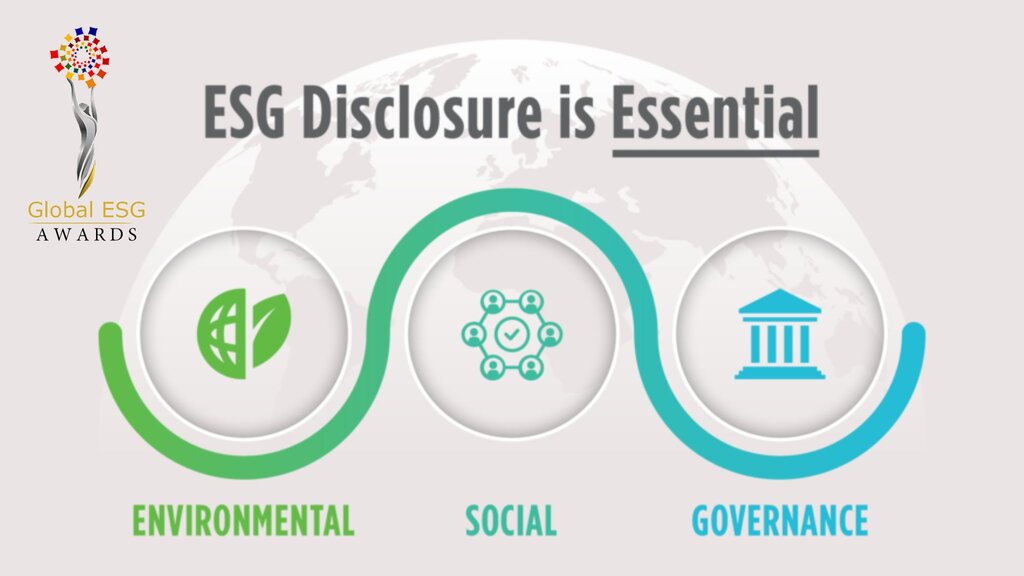
Sustainable sourcing stands on three core principles, often called the three pillars: environmental, social, and economic. For a sourcing practice to be truly sustainable, it must balance the needs of all three.
The environmental pillar focuses on protecting our planet. This includes minimizing pollution, reducing waste, conserving water, protecting biodiversity, and lowering greenhouse gas emissions. It's about choosing suppliers who use resources responsibly and work to reduce their ecological footprint.
The social pillar is about people. It emphasizes fair labor practices, safe working conditions, and positive community impacts. This means avoiding suppliers who use child labor or forced labor, ensuring workers are paid a living wage, and respecting the rights and cultures of local communities.
The economic pillar ensures that sustainable practices are financially sound. A sustainable business must be profitable to survive and continue its positive impact. This pillar focuses on long-term economic viability, fair trade, and contributing to the economic development of the communities where suppliers operate. It's about creating value that lasts, not just cutting costs in the short term.
Why It Matters
Adopting sustainable sourcing isn't just a charitable act; it's a smart business strategy. The benefits are significant and can affect a company's bottom line and its long-term survival.
First, there's brand reputation. Today's consumers are more informed and ethically conscious than ever. They often prefer to buy from companies that demonstrate a commitment to sustainability. A transparent, ethical supply chain can build customer loyalty and serve as a powerful marketing tool.
Second is regulatory compliance. Governments around the world are enacting stricter laws related to environmental protection and human rights. Companies that already practice sustainable sourcing are better prepared to meet these requirements, avoiding potential fines, legal battles, and operational disruptions.
Finally, sustainable sourcing builds business resilience. A supply chain built on unsustainable practices—like relying on a single resource that's being rapidly depleted or a factory with poor labor standards—is fragile. A strike, a natural disaster, or a regulatory crackdown could shut it down overnight. A sustainable supply chain, with its focus on long-term viability and strong supplier relationships, is often more robust and adaptable.
Responsible sourcing isn’t just the right thing to do. It’s a strategic imperative.
The Hurdles to Overcome
While the benefits are clear, implementing sustainable sourcing comes with challenges.
One of the biggest is visibility. Many modern supply chains are incredibly complex, spanning multiple countries and tiers of suppliers. It can be difficult for a company to know exactly where all its raw materials come from and under what conditions they were produced. Gaining this transparency requires significant effort and investment.
Another challenge is cost. Sometimes, sourcing sustainably costs more upfront. A certified organic cotton may be more expensive than conventionally grown cotton. While these investments often pay off in the long run through efficiency, brand loyalty, and risk reduction, the initial expense can be a barrier for some companies.
Finally, finding qualified suppliers can be difficult. In some industries or regions, there may be a limited number of suppliers who meet high environmental and social standards. This can require companies to invest in training and development to help their existing suppliers improve their practices.
Overcoming these challenges is a key part of the journey toward a more sustainable and resilient global economy.