Sustainable Rainwater Harvesting for Smart Homes
Introduction to Rainwater Harvesting
Catching the Rain
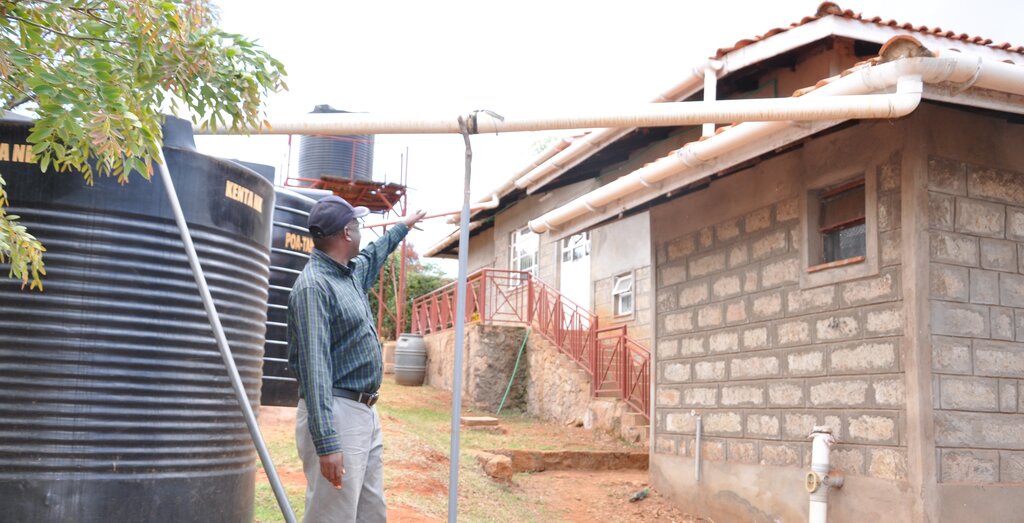
Every time it rains, a valuable resource falls from the sky. Rainwater harvesting is simply the process of collecting and storing this rainwater for later use, rather than letting it run off into storm drains. Think of it as putting a bucket out during a downpour, but on a larger, more organized scale. It's a key practice in sustainable living, turning your home into a small-scale water utility.
By capturing water that falls on your roof, you can create a personal, local water supply. This simple act connects your home directly to the natural water cycle, reducing your reliance on centralized water systems and fostering a more self-sufficient lifestyle.
More Than Just Free Water
The benefits of harvesting rainwater extend far beyond just getting free water. When you collect rainwater, you ease the burden on your local municipal supply. This is especially critical in areas prone to drought, where every drop counts. By using your own stored water, you contribute to the conservation of a shared, precious resource.
On a financial level, using less municipal water means a lower water bill. The savings can be substantial over time, depending on your system's size and local rainfall patterns.
Rainwater harvesting also plays a role in flood mitigation. In urban areas, hard surfaces like roads and roofs prevent rain from soaking into the ground. This creates a large volume of stormwater runoff that can overwhelm drainage systems and cause flooding. By capturing a portion of this water, you help slow down runoff and reduce the strain on public infrastructure during heavy storms.
Putting Rainwater to Work
Once collected, rainwater has many practical uses around the home. The most common application is for irrigation. Plants thrive on rainwater because it's naturally soft and free of chlorine and other chemicals found in treated tap water. Using stored rainwater for your garden, lawn, and houseplants is an excellent way to keep them healthy while conserving tap water.
Inside the house, harvested rainwater is perfect for non-potable uses that don't require drinking-quality water. Flushing toilets is a prime example, accounting for a significant portion of household water consumption. With the right plumbing, you can connect your storage tank to your home's toilets.
Similarly, rainwater can be used for doing laundry. Its natural softness means it lathers well with less detergent and helps prevent mineral buildup in your washing machine.
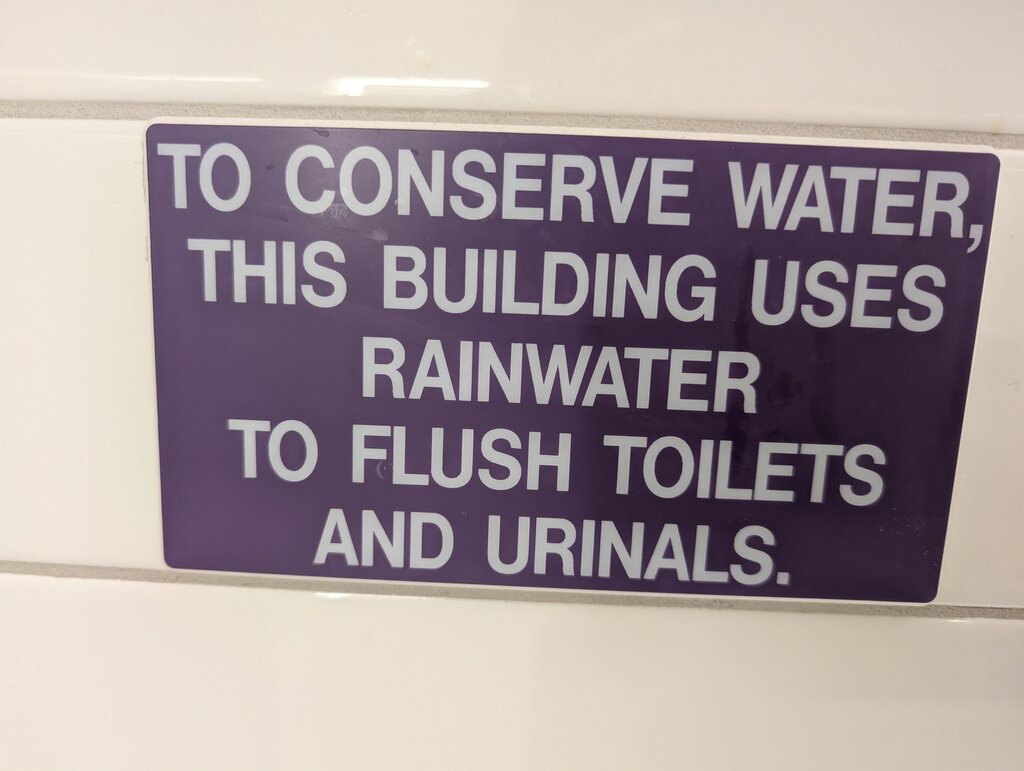
Collecting rainwater not only helps lower your utility bills, it is a sustainable conservation method especially in times of drought.
By integrating this simple practice into your home, you take a powerful step toward water conservation and a more sustainable way of life.
What is the primary purpose of rainwater harvesting?
How does rainwater harvesting contribute to flood mitigation in urban areas?