Sustainable Filmmaking in South Africa
Introduction to Sustainable Filmmaking
Filmmaking with a Conscience
When you watch a movie, you see the actors, the scenery, and the story. What you don't see is the massive operation behind the scenes: the energy used to power lights and cameras, the materials for sets and costumes, and the travel required to bring it all together. Traditionally, this process has left a significant environmental and social footprint.
Sustainable filmmaking, often called 'green filmmaking,' is a movement to change that. It's about producing films and TV shows in a way that is environmentally responsible, socially conscious, and economically viable. The goal is to minimize the negative impacts of production while telling compelling stories.
Sustainable Filmmaking
noun
An approach to film production that integrates environmental and social responsibility into every stage, from pre-production to distribution, aiming to reduce the industry's overall footprint.
The Footprint of a Film
A single blockbuster film can have a carbon footprint equivalent to several hundred households for a year. This comes from a few key areas.
Energy consumption is huge. Diesel generators often power sets on location, while studios require vast amounts of electricity for lighting, soundstages, and post-production. Transportation is another major factor, with cast, crew, and equipment flying around the world. Finally, there's waste. Sets are often built for temporary use and then demolished, creating tons of landfill waste from wood, paint, and plastics. Costumes, props, and food services also contribute to the problem.
Think of a film set as a temporary city. It needs power, food, water, and housing, and it generates waste. Making that city 'green' is the core challenge.
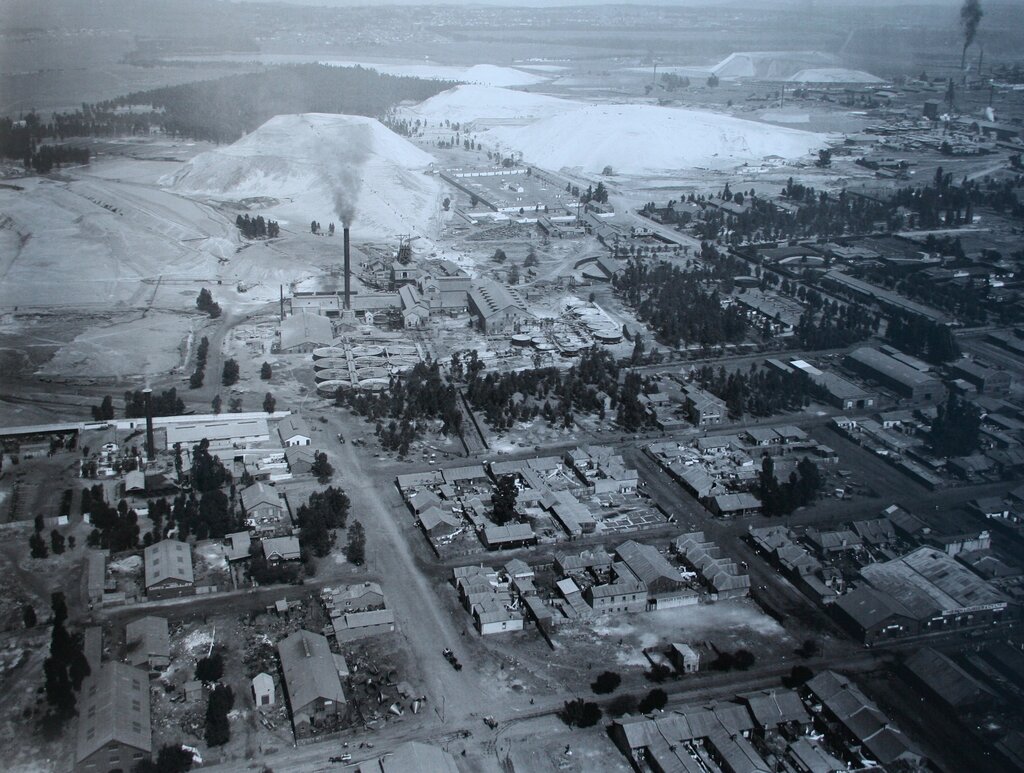
In South Africa, these impacts are especially relevant. The country's stunning and diverse landscapes are a major draw for filmmakers, but they are also part of a delicate ecosystem. Issues like water scarcity, energy demands on a strained grid, and the legacy of industrial activity are part of the national conversation. Filmmaking must operate within this context, striving to protect the natural resources that make the locations so desirable in the first place.
The Principles of Green Production
Sustainable filmmaking isn't just about recycling. It's a holistic approach that balances environmental, social, and economic factors, often referred to as the 'triple bottom line' or, in a similar corporate framework, ESG.
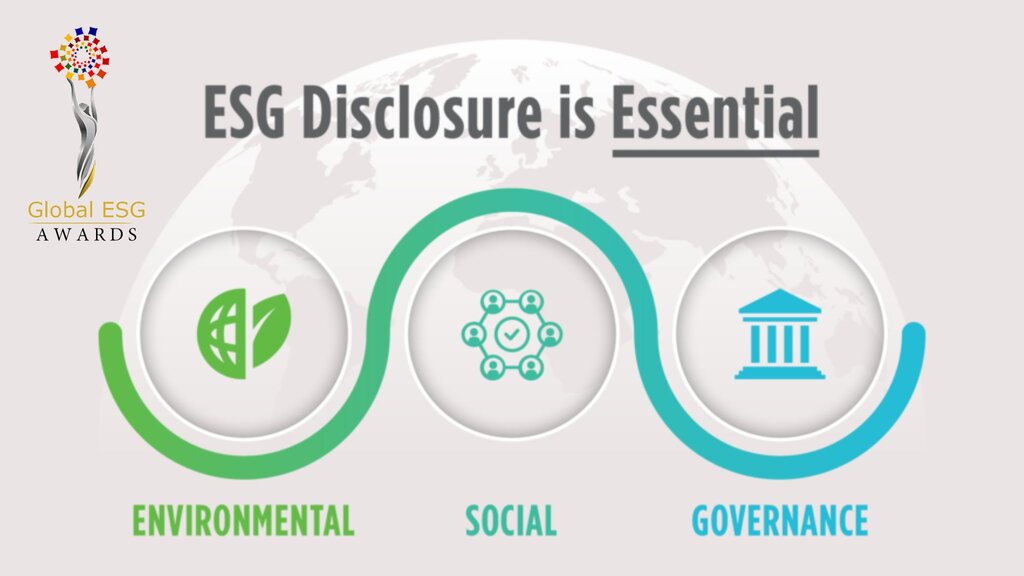
Environmental: This is the most visible aspect. It involves reducing a production's physical footprint. Key practices include minimizing waste by donating or repurposing sets and costumes, conserving energy with LED lighting and renewable power sources, and reducing water usage. It's about actively working to leave a location in better condition than you found it.
Social: A truly sustainable production also cares for its people and the communities it works in. This means ensuring fair labor practices, safe working conditions, and equitable pay for all crew members. It also involves engaging respectfully with local communities, hiring local talent, and ensuring the stories being told do not perpetuate harm or negative stereotypes. In the South African context, this pillar is critical for promoting inclusivity and creating opportunities within a diverse society.
Governance: This pillar ties everything together. It's about how the production is managed. This includes transparent budgeting, ethical decision-making, and being accountable for the production's impacts. It means making sustainability a core part of the planning process from the very beginning, not an afterthought.
The objectives of the South African Black Filmmakers incentive are to strengthen the competitiveness of the South African film and television industry, to develop black talent in the South African film and television industry whilst ensuring distribution of films into the market.
This quote highlights how social and economic goals are already embedded in South Africa's film industry incentives, creating a strong foundation for a more holistic, sustainable approach to filmmaking.
Moving towards sustainability is a journey, not a destination. It requires creativity, collaboration, and a commitment to doing better, one production at a time.