Surviving an EMP Attack
Understanding EMPs
What Is an EMP?
An Electromagnetic Pulse, or EMP, is a short but powerful burst of electromagnetic energy. Think of it like a sudden, invisible wave that can disrupt or damage electronic devices. This energy travels through the air and can be generated by both natural events and human technology.
Electromagnetic
adjective
Relating to the interrelation of electric currents or fields and magnetic fields.
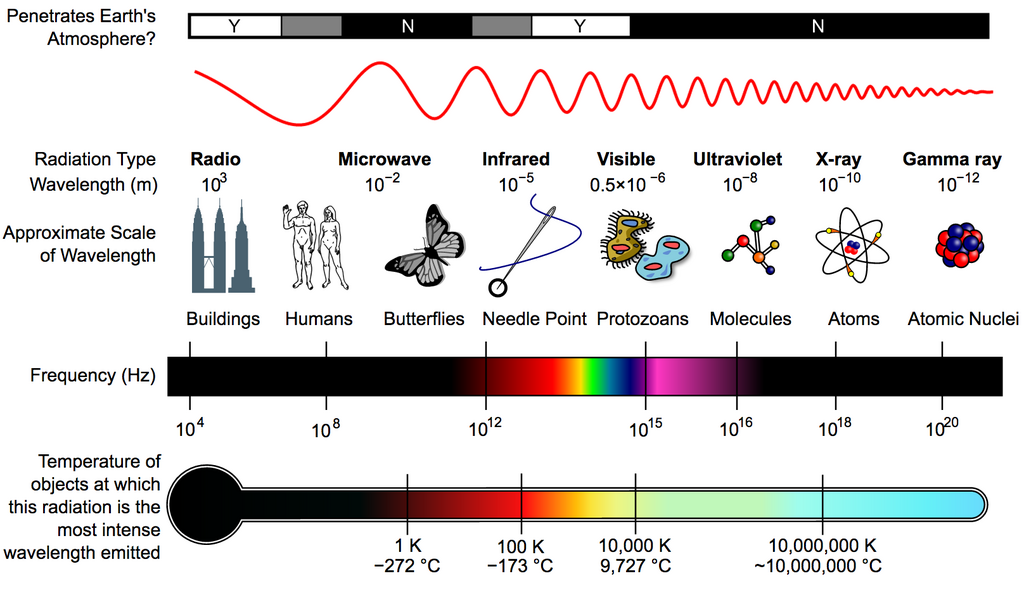
To understand an EMP, it helps to remember that light, radio waves, and X-rays are all forms of electromagnetic radiation. They exist on a spectrum, from low-energy radio waves to high-energy gamma rays. An EMP is a broad-spectrum pulse, meaning it releases energy across many parts of this spectrum at once.
Sources of EMPs
EMPs come from two main sources: natural phenomena and man-made events.
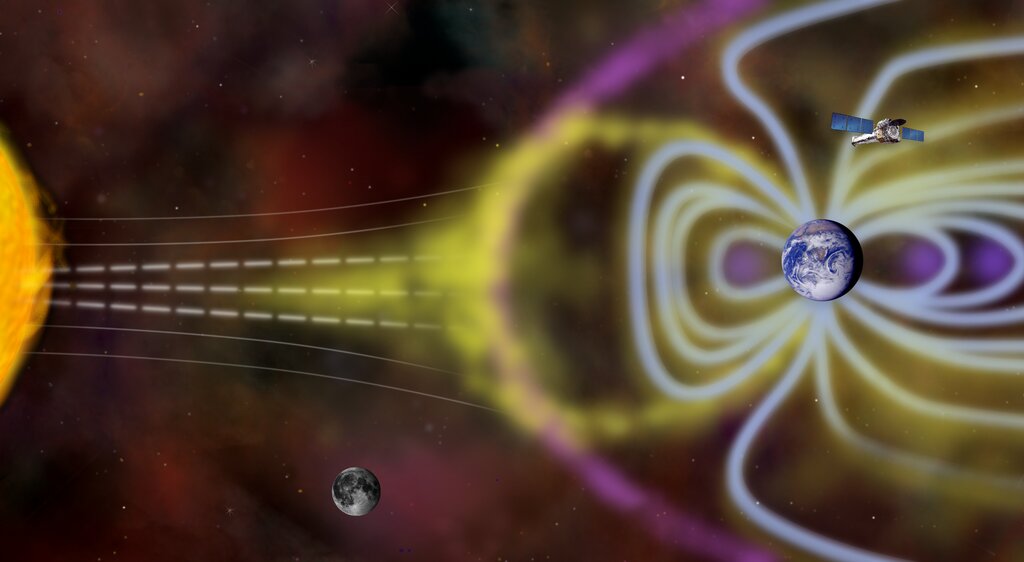
Natural EMPs often originate from the sun. A coronal mass ejection (CME) is a massive eruption of plasma and magnetic field from the sun's corona. If a CME hits Earth, it can interact with our planet's magnetic field, creating a geomagnetic storm. This storm induces slow, powerful electrical currents in long conductors like power lines and pipelines.
Man-made EMPs are most famously associated with nuclear weapons. When a nuclear device is detonated at a high altitude (30 kilometers or more above the surface), it creates what is known as a High-Altitude EMP, or HEMP. This is considered the most significant EMP threat to modern electronics.
The Physics of a HEMP
A HEMP unfolds in a sequence of events that happen almost instantly. First, the nuclear detonation releases a flood of gamma rays. These high-energy photons travel downwards and strike atoms in the upper atmosphere.
The gamma rays knock electrons loose from these atoms in a process called the Compton effect. Now free, these high-energy electrons are caught in Earth's magnetic field, which forces them to spiral. This massive, synchronized spiraling of electrons generates an intense, rapidly changing electromagnetic field that radiates outwards as a pulse.
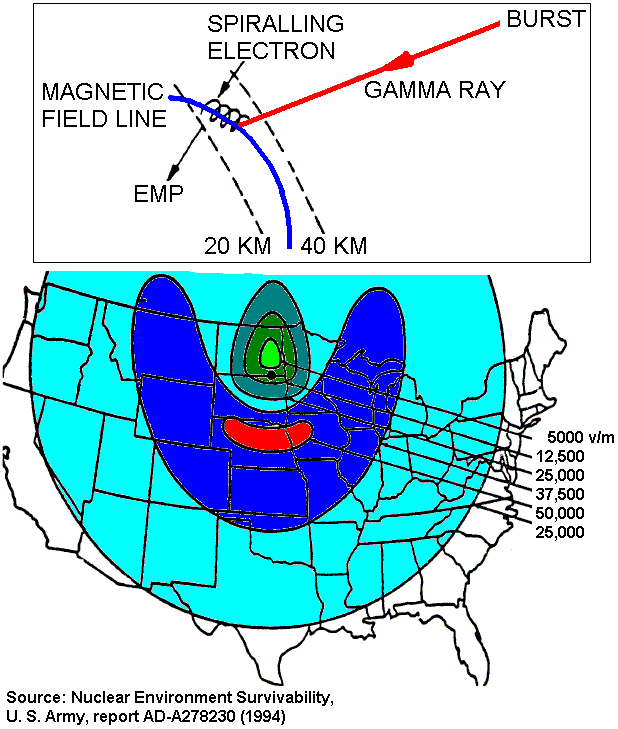
Scientists break the HEMP down into three distinct components, labeled E1, E2, and E3.
| Component | Speed | Characteristics | Similar To |
|---|---|---|---|
| E1 | Extremely fast (nanoseconds) | Very high voltage, high frequency. Damages small, modern electronics like microchips. | A lightning strike, but much faster and more intense. |
| E2 | Slower (microseconds to seconds) | Lower voltage. Less damaging on its own as many systems already have lightning protection. | A nearby lightning strike. |
| E3 | Very slow (seconds to minutes) | Low frequency. Induces long-lasting currents in large conductors like power grids and communication lines. | A natural geomagnetic storm from the sun. |
The E1 component is particularly dangerous for modern society. Its incredible speed and high voltage can overwhelm and destroy the delicate microprocessors and circuits that power our computers, phones, cars, and communication systems.
While a HEMP is a complex event, understanding its basic physics and its different components is the first step in grasping its potential impact. It's a unique phenomenon where a single event can generate multiple types of electromagnetic disturbances, each with its own characteristics.