Survive Reset Thrive Strategy
Understanding Business Disruption
What is Business Disruption?
Business disruption is a big shift that happens when a new product, service, or business model completely changes the way an industry operates. It's not just a minor improvement. It's a fundamental change that can make the old way of doing things seem obsolete.
Think about how smartphones replaced not just regular cell phones, but also standalone cameras, GPS devices, and MP3 players. That's disruption. It creates a new market and value network, eventually displacing established market leaders.
Disruption
noun
A process whereby a smaller company with fewer resources is able to successfully challenge established incumbent businesses.
Disruptive innovations often start by appealing to overlooked customers. They might offer a simpler, cheaper, or more convenient alternative that isn't initially attractive to the mainstream market. But over time, these innovations improve and gradually move upmarket, eventually displacing the established competitors.
Disruptive innovation describes the process by which a product or service takes hold at the bottom of a market and eventually displaces established competitors, products, firms, or alliances.
The Engines of Change
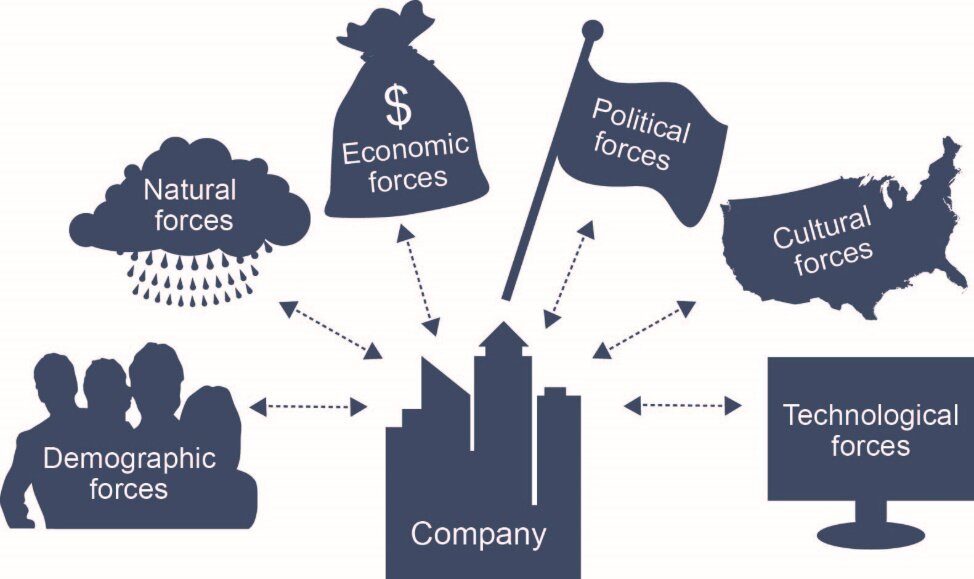
Disruption isn't random. It's driven by powerful forces that change the business landscape. Understanding these causes helps explain why some industries change so quickly while others remain stable for decades.
One of the biggest drivers is technology. Advancements like the internet, artificial intelligence, and mobile computing have created entirely new business models and made old ones irrelevant. Think of how e-commerce changed retail or how ride-sharing apps changed transportation.
Shifts in the market are another major cause. This can include changes in consumer behavior, new government regulations, or shifts in the global economy. For example, a growing consumer demand for sustainability can disrupt industries that rely on environmentally damaging practices.
Finally, unforeseen events can act as powerful catalysts for disruption. A global pandemic, a natural disaster, or a sudden geopolitical conflict can instantly change customer needs and supply chains, forcing businesses to adapt or fail.
Types of Disruption
Not all innovations are disruptive. Many are what we call sustaining innovations. These are improvements to existing products that make them better for existing customers, like a phone with a slightly better camera. True disruption comes in two main flavors.
Low-End Disruption happens when a business targets customers at the bottom of a market who are overlooked by established companies. These incumbents are usually focused on their most profitable customers and happily ignore the lower end. A disruptor enters with a "good enough" product at a lower price. Over time, the product improves and starts attracting mainstream customers.
New-Market Disruption creates a market where there was none before. It finds a way to turn non-consumers into consumers. For example, personal computers were initially a new-market disruption. Before them, only large corporations and specialists used computers. The PC made computing accessible and affordable for individuals, creating a massive new market.
| Type | Target Audience | Key Feature |
|---|---|---|
| Sustaining Innovation | Existing, high-end customers | Better performance, more features |
| Low-End Disruption | Overlooked, price-sensitive customers | "Good enough" product at a lower price |
| New-Market Disruption | Non-consumers | Simplicity, accessibility, affordability |
The Ripple Effect
When an industry is disrupted, the impact is felt far and wide. For established companies, it can be an existential threat. Their products may become obsolete, their business models may crumble, and they might struggle to adapt to the new reality. This can lead to significant financial losses and layoffs.
However, disruption isn't just about destruction. It's also a powerful engine for growth and innovation. It creates new opportunities for entrepreneurs and new businesses to emerge. For consumers, disruption often leads to better products, lower prices, and more convenience. It challenges the status quo and forces entire industries to evolve, which can ultimately benefit everyone.
Which of the following best describes a 'sustaining innovation'?
According to the definition, what type of disruption occurs when a product or service creates a market where there was none before, turning non-consumers into consumers?
Disruption is a fundamental force in business, reshaping industries and creating new value in unexpected ways.