Surveying Measurement Techniques
Introduction to Surveying
What is Surveying?
At its heart, surveying is the science and art of measurement. It's about determining the precise location of points on, above, or below the surface of the Earth. Think about the last time you rearranged furniture. You probably measured the room and the sofa to make sure everything would fit. Surveying is that same basic idea, but applied to land, mountains, rivers, and even the seafloor.
The main goal is to create accurate maps, establish property boundaries, and provide the foundational data for all kinds of construction and engineering projects. Surveyors take measurements of horizontal distances, vertical elevations, and angles to create a reliable picture of a piece of land.
Surveying
noun
The science and art of determining the three-dimensional positions of points and the distances and angles between them, typically for the purpose of creating maps or establishing property boundaries.
A Quick Trip Through Time
Surveying isn't a modern invention. It's an ancient practice born from necessity. Thousands of years ago, the ancient Egyptians used simple geometry and ropes to re-establish farm boundaries after the Nile River flooded each year. This ensured that property lines were fairly redrawn and taxes were collected correctly.
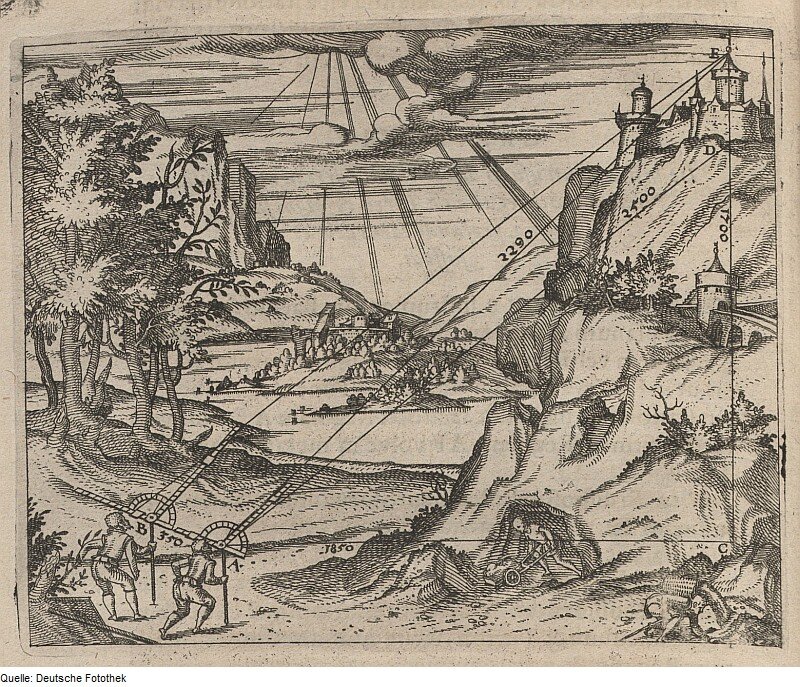
The Romans were master surveyors. They couldn't have built their famous straight roads, massive aqueducts, and sprawling cities without precise measurements to guide them. They developed instruments like the groma to lay out right angles.
Over the centuries, tools became more sophisticated. The invention of the telescope led to instruments like the theodolite, which could measure angles with incredible accuracy. This advancement was crucial during the Age of Exploration for creating reliable nautical charts and mapping new territories. Today, surveyors use advanced technology like GPS, drones, and laser scanners, but the core principles remain the same as they were for the Egyptians: measure, record, and map.
The Modern Surveyor
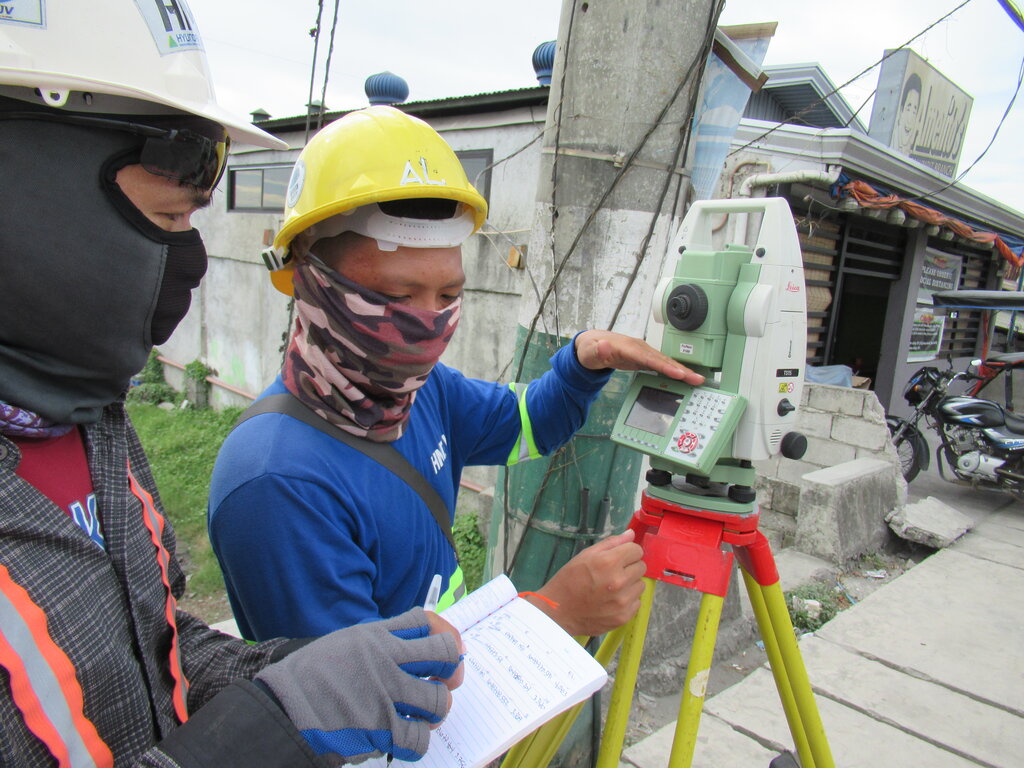
The image of a surveyor peering through an instrument on a tripod is classic, but what are they actually doing? A surveyor's job is a mix of fieldwork and office work, requiring skills in geometry, trigonometry, and law.
Their primary responsibilities are to measure distances, angles, and elevations with high precision and to analyze that data.
One of a surveyor's most critical roles is defining legal property boundaries. When someone buys a house or a piece of land, a surveyor is the one who officially marks the corners of the property. This work prevents disputes and is a cornerstone of land ownership.
They also conduct topographic surveys to map the contours of the land, showing hills, valleys, and other features. This information is vital for architects and engineers designing buildings, roads, or bridges.
Where is Surveying Used?
Surveying is a foundational step in countless industries. You can't build much of anything without first understanding the land it will be built on.
| Industry | Application of Surveying |
|---|---|
| Construction | Setting out buildings, roads, and bridges in their correct positions. |
| Land Development | Subdividing large tracts of land into smaller lots for housing developments. |
| Mapping & GIS | Creating topographic maps and providing data for Geographic Information Systems (GIS). |
| Mining | Mapping tunnels and calculating the volume of extracted materials. |
| Environmental | Monitoring changes in coastlines, riverbeds, and land elevation. |
| Archaeology | Precisely mapping excavation sites to record the location of artifacts. |
From planning a new airport to ensuring a skyscraper is perfectly vertical, surveyors provide the essential measurements that turn plans into reality.
Ready to check your understanding? This quiz covers the core ideas we've discussed.
What is the fundamental purpose of surveying?
According to the text, why was surveying critically important for the ancient Egyptians?
Now you have a solid grasp of what surveying is, why it's been important throughout history, and how it shapes the world we build around us.