Survey of Art History
Introduction to Art Movements
What Is an Art Movement?
Art history can feel like a long, tangled timeline of names and dates. Art movements bring order to this timeline. Think of them like chapters in a book. Each chapter has its own distinct mood, characters, and ideas that set it apart from the others.
An art movement is a period of time when a group of artists share a similar style, philosophy, and goal. They might work together, exhibit together, and even write manifestos declaring their intentions. They are responding to the world around them and often, reacting to the art that came before them.
art movement
noun
A tendency or style in art with a specific common philosophy or goal, followed by a group of artists during a defined period.
To understand movements, we need a few key terms.
style
noun
The distinctive visual elements, techniques, and methods that characterize an artist's or a movement's work.
period
noun
A specific era in history with a distinct cultural and artistic identity.
Why Movements Matter
Studying art movements isn't just about memorizing who painted what and when. It’s about understanding the why. Why did artists in the 1920s start creating bizarre, dreamlike images? What was happening in the world that made them turn away from reality? Movements provide the context we need to answer these questions.
Art doesn't happen in a vacuum. It is a mirror reflecting the society that creates it. Major shifts in the world—like wars, inventions, and new political ideas—have a powerful impact on artists. By looking at the art of a particular time, we can get a sense of what people were thinking and feeling.
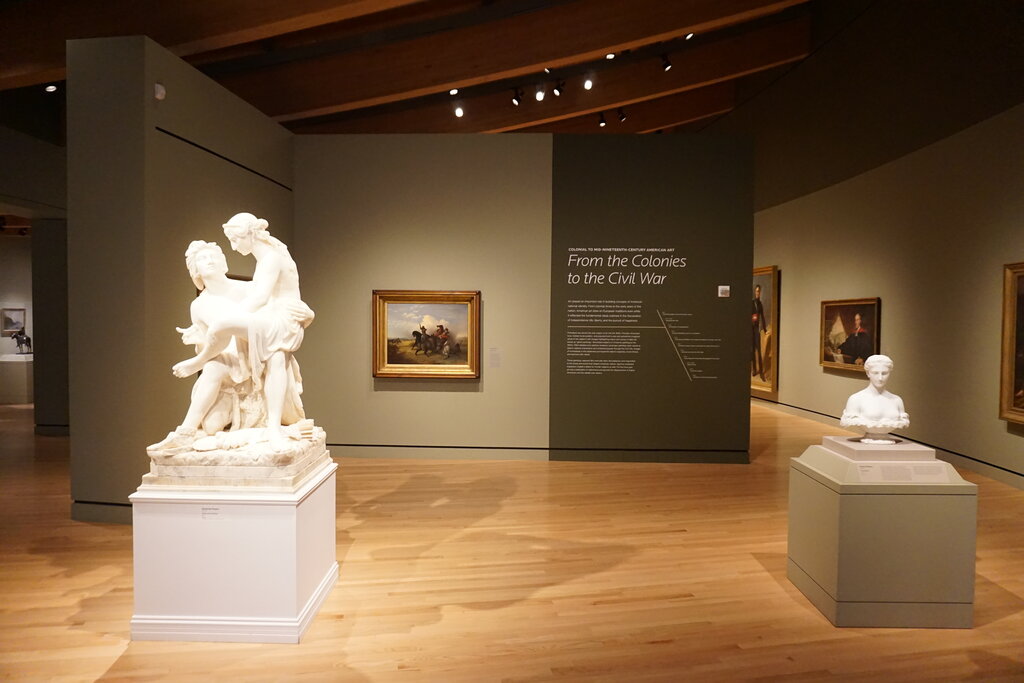
An art movement is a story about a specific time and place, told through colors, shapes, and ideas.
As we explore different movements, you’ll start to see these connections. You'll notice how the invention of the camera pushed painters to find new ways of seeing the world, or how the chaos of World War I led to art that was intentionally absurd and nonsensical. Understanding this context makes the art itself much more meaningful.