Surrendering Control in Ayahuasca Ceremonies
Understanding Ayahuasca
The Vine of the Soul
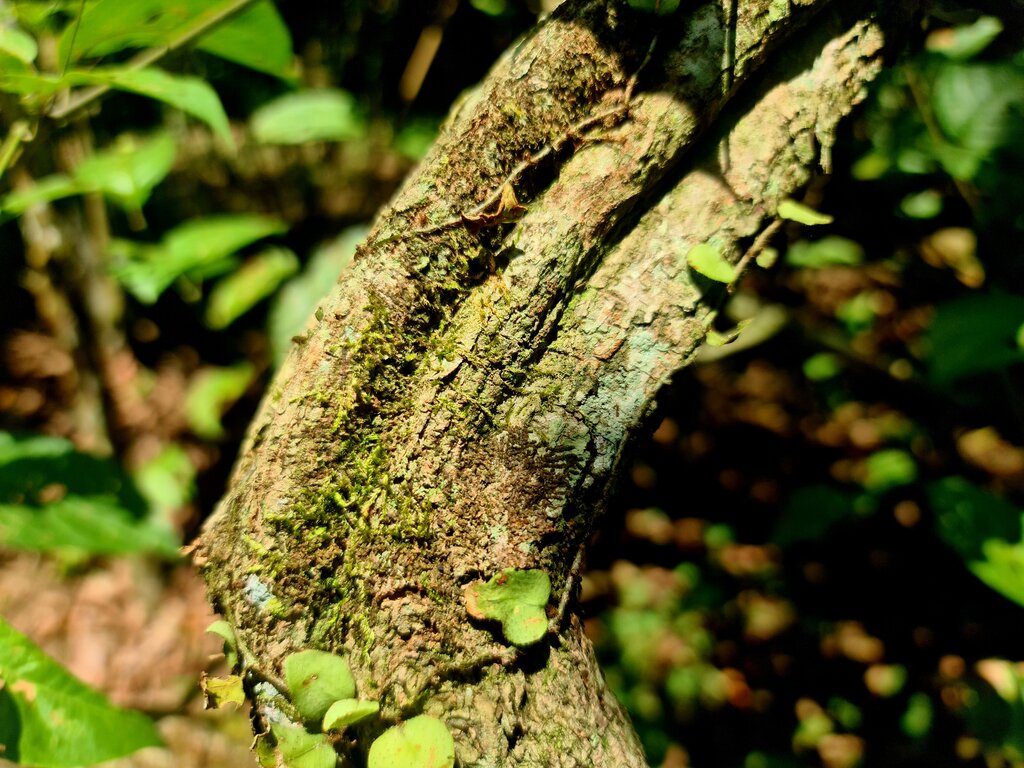
Ayahuasca is a psychoactive brew with deep roots in the Amazon basin. For centuries, indigenous communities have used it in spiritual and healing ceremonies. The name itself, from the Quechua language, translates to “vine of the soul” or “vine of the dead,” hinting at its power to connect individuals with the spiritual realm and the depths of their own consciousness.
Ayahuasca, roughly translating to “vine of the soul” in the Quechua language (12), is a natural plant-based psychoactive brew, traditionally used in ceremonies throughout the Western Amazon basin (13).
The brew is made by combining two distinct plants. The primary ingredient is the Banisteriopsis caapi vine, which is boiled, often for many hours, with the leaves of a shrub like Psychotria viridis. On their own, the psychoactive compounds in the leaves would have no effect when ingested. But the vine contains a substance that allows these compounds to become active, creating a potent visionary experience. This sophisticated combination has been a cornerstone of Amazonian shamanism for generations.
The Ceremony
An Ayahuasca ceremony is a structured, sacred ritual, not a casual or recreational event. It is traditionally led by a trained shaman, known as a curandero or ayahuasquero, who guides participants through the experience. The facilitator's role is to create a safe, supportive space and to navigate the energies of the group.
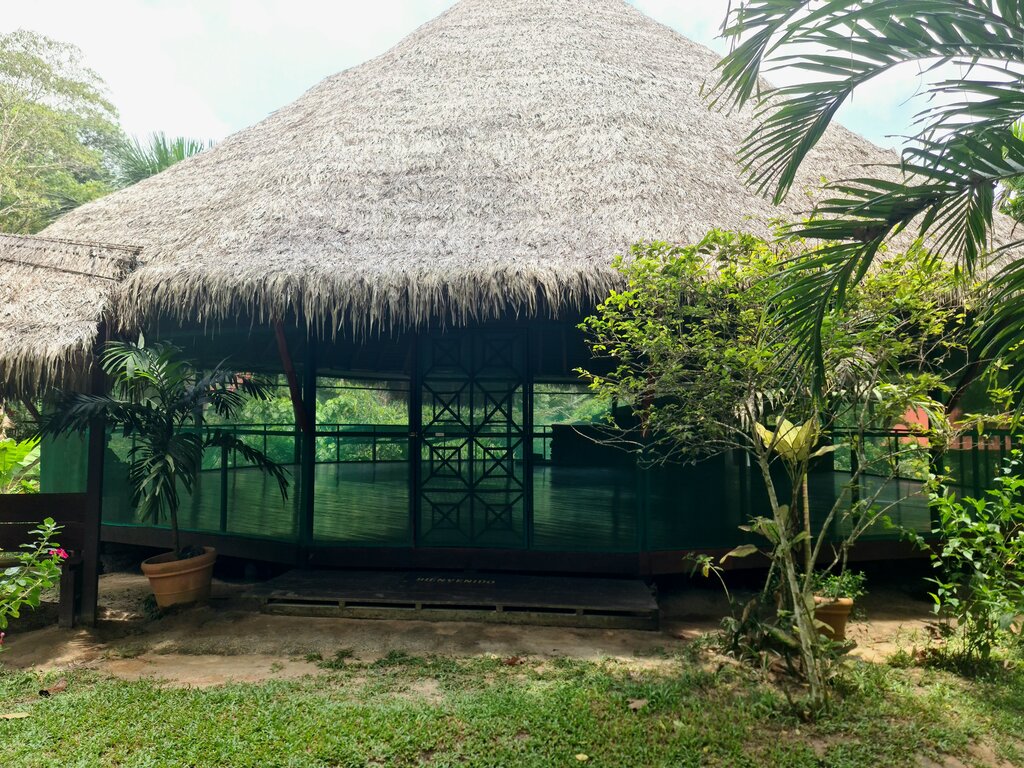
Ceremonies are typically held at night, in darkness or by candlelight, to minimize external distractions and encourage inward focus. The shaman serves the brew to each participant and then guides the journey using traditional songs called icaros. These songs are considered a primary healing tool, used to call on spirits, provide protection, and direct the healing energy of the medicine.
The experience can be intensely personal and varied, often involving vivid visions, emotional release, and profound insights. A physical purge, such as vomiting, is also a common and expected part of the process, viewed as a cleansing of negative energy and physical toxins.
The Art of Surrender
One of the most crucial aspects of the Ayahuasca experience is the concept of surrender. The medicine often brings up challenging emotions, uncomfortable physical sensations, or difficult memories. The natural instinct is to resist, to try to control the experience or push away what is unpleasant.
However, the healing power of Ayahuasca is often found in letting go of this control. By surrendering to the process, participants allow the medicine to show them what they need to see and feel what they need to heal. This act of trust can be difficult, but it is central to the transformative potential of the ceremony.
Surrender doesn't mean being passive. It means being open, courageous, and willing to face whatever arises without judgment. It's an active acceptance of the present moment, allowing for a deeper connection with oneself and the insights the experience offers.
What does the Quechua name "Ayahuasca" translate to?
Why must the Banisteriopsis caapi vine be combined with the leaves of a shrub like Psychotria viridis to create the psychoactive effects of Ayahuasca?