Surgical Assisting Fundamentals
Introduction to Surgical Assisting
The Surgical Assistant's Role
A surgical assistant is a highly skilled healthcare professional who works directly with the surgeon during a medical procedure. They are a crucial second pair of hands, eyes, and ears, helping to ensure the surgery is safe, efficient, and successful. Their responsibilities span the entire surgical process, from before the first incision to after the last suture is placed.
Before surgery, the assistant helps prepare the patient, which can include positioning them on the operating table and preparing the surgical site. During the operation, they are right beside the surgeon, providing exposure of the surgical site by retracting tissues, managing bleeding through techniques like suctioning and cauterization, and handling surgical instruments. After the procedure, they may assist with suturing and applying dressings before the patient is moved to recovery.
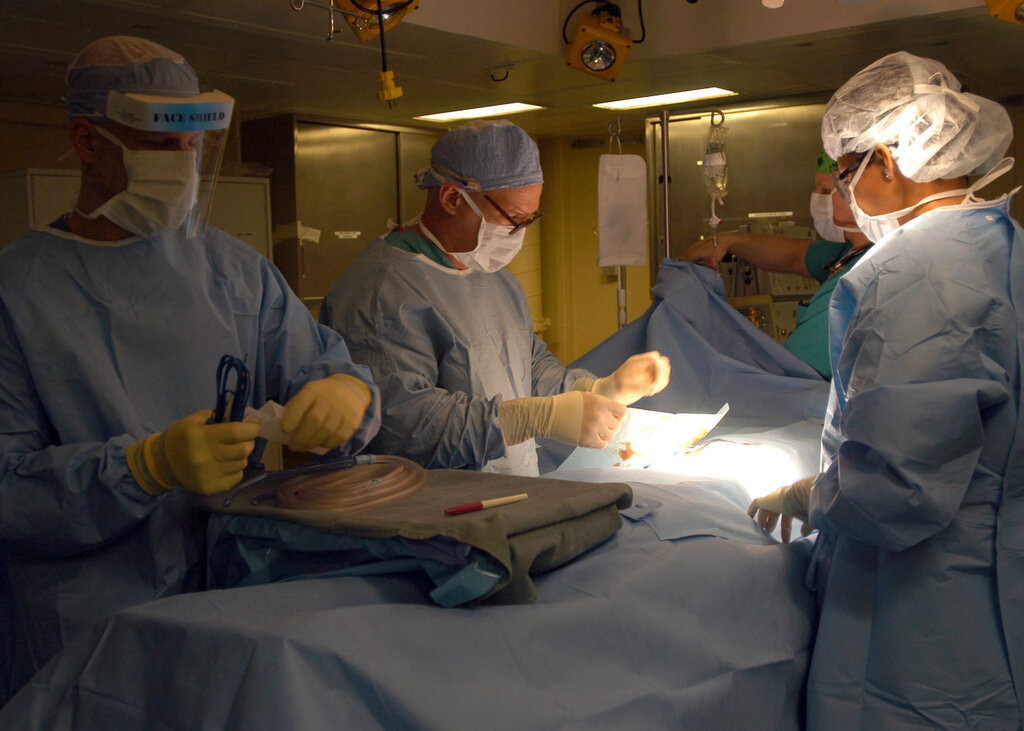
This role is dynamic and demanding. It requires a deep understanding of anatomy, surgical procedures, and sterile technique. A great surgical assistant anticipates the surgeon's needs, often handing them an instrument before they even have to ask for it. This seamless cooperation is vital in the fast-paced, high-stakes environment of the operating room.
The Operating Room Team
No surgery is a solo performance. It's a carefully choreographed effort by a team of specialists, each with a distinct role. The surgical assistant is one key player in this ensemble.
The team is led by the Surgeon, who is responsible for performing the operation and making critical decisions. The Anesthesiologist or Anesthetist manages the patient’s vital functions, consciousness, and pain control throughout the surgery.
Two other critical roles are the nurses. The Circulating Nurse works outside the sterile field, managing supplies, documentation, and the overall environment of the operating room. The Scrub Nurse or Surgical Technologist works within the sterile field, preparing and passing instruments to the surgeon and assistant.
Clear communication and mutual respect among all team members are essential for patient safety. Everyone must feel comfortable speaking up if they see a potential problem, a principle known as psychological safety. This collaborative dynamic ensures the team can adapt to unexpected challenges during a procedure.
Ethics and Professionalism
Working in surgery carries immense responsibility. A surgical assistant must adhere to a strict code of ethics, always prioritizing the patient's well-being and safety.
Patient confidentiality is paramount. All information about a patient's condition and treatment is protected by law and must be kept private. Another key principle is understanding and respecting one's scope of practice. A surgical assistant performs tasks delegated by the surgeon and must never attempt procedures for which they are not trained or qualified. This protects both the patient and the assistant.
Professionalism in the operating room means maintaining a calm and focused demeanor, even under intense pressure. It involves clear, direct communication and a commitment to teamwork. The patient's life is literally in the team's hands, and there is no room for ego or carelessness.
Consistent surgical teams are the cornerstone of a seamless operating room experience, much like a seasoned flight crew that flies together daily, each member attuned to the others’ strengths and weaknesses.
The Language of the Operating Room
The medical world has its own language, built from Greek and Latin roots. For a surgical assistant, fluency in this terminology is non-negotiable. It allows for precise, unambiguous communication when seconds count. You'll need to know terms for instruments, actions, and anatomy.
Asepsis
noun
The state of being free from disease-causing contaminants, such as bacteria, viruses, fungi, and parasites.
Hemostasis
noun
The physiological process that stops bleeding at the site of an injury, while keeping blood flowing normally in the rest of the circulation.
Much of medical terminology is modular. By learning common prefixes, roots, and suffixes, you can decipher the meaning of complex terms. For example, knowing that nephr- relates to the kidney and -ectomy means removal tells you that a nephrectomy is the surgical removal of a kidney.
| Part | Meaning | Example |
|---|---|---|
gastr/o | Stomach | Gastrectomy (removal of the stomach) |
hepat/o | Liver | Hepatitis (inflammation of the liver) |
-otomy | To make an incision | Craniotomy (incision into the skull) |
-plasty | Surgical repair | Rhinoplasty (surgical repair of the nose) |
The Surgical Environment
The operating room, or OR, is a highly controlled environment designed to minimize the risk of infection and support complex procedures. The air is filtered, the temperature and humidity are regulated, and surfaces are rigorously sterilized. Everyone who enters must wear specific attire, including scrubs, hair covers, and masks.
Within the OR, a key concept is the sterile field. This is a designated area, typically including the patient, surgical drapes, and instrument tables, that is kept free of microorganisms. Only personnel who have performed a surgical scrub and are wearing sterile gowns and gloves can work within this field. A breach in the sterile field can introduce bacteria and cause a serious infection, so maintaining its integrity is a constant focus for the entire team.
The room is filled with specialized equipment. Bright, adjustable surgical lights illuminate the operative site. An anesthesia machine with monitors tracks the patient’s vital signs. An electrosurgical unit provides controlled electrical current to cut tissue or control bleeding. Familiarity with this equipment, and the vast array of surgical instruments, is a core competency for any surgical assistant.
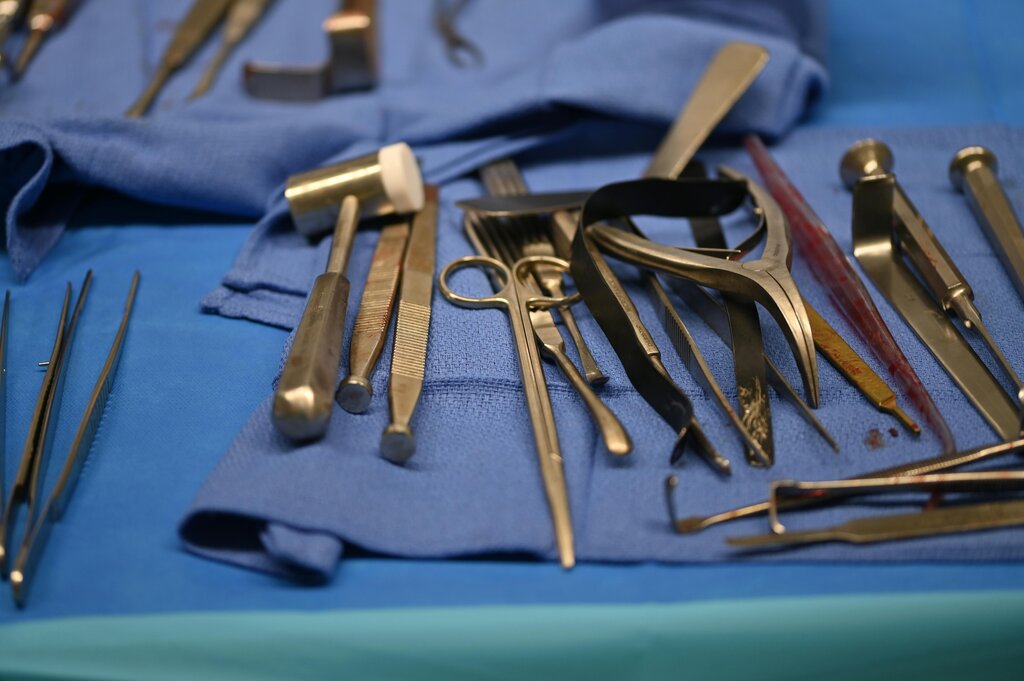
Understanding these foundational elements—your role, your team, your ethical duties, and your environment—is the first step toward becoming a successful surgical assistant. It's a challenging but incredibly rewarding path, placing you at the center of life-changing medical care.
Which member of the surgical team is primarily responsible for managing the patient's vital signs, consciousness, and pain control during an operation?
What is the primary purpose of the sterile field in an operating room?