Surfboard Essentials
Surfboard Origins
The First Wave Riders
Long before surfing became a global sport, it was a central part of life in ancient Hawaii. Known as heʻe nalu, or “wave sliding,” it was much more than a hobby. It was an art form, a spiritual practice, and a way to express social standing, deeply woven into the fabric of Hawaiian culture.
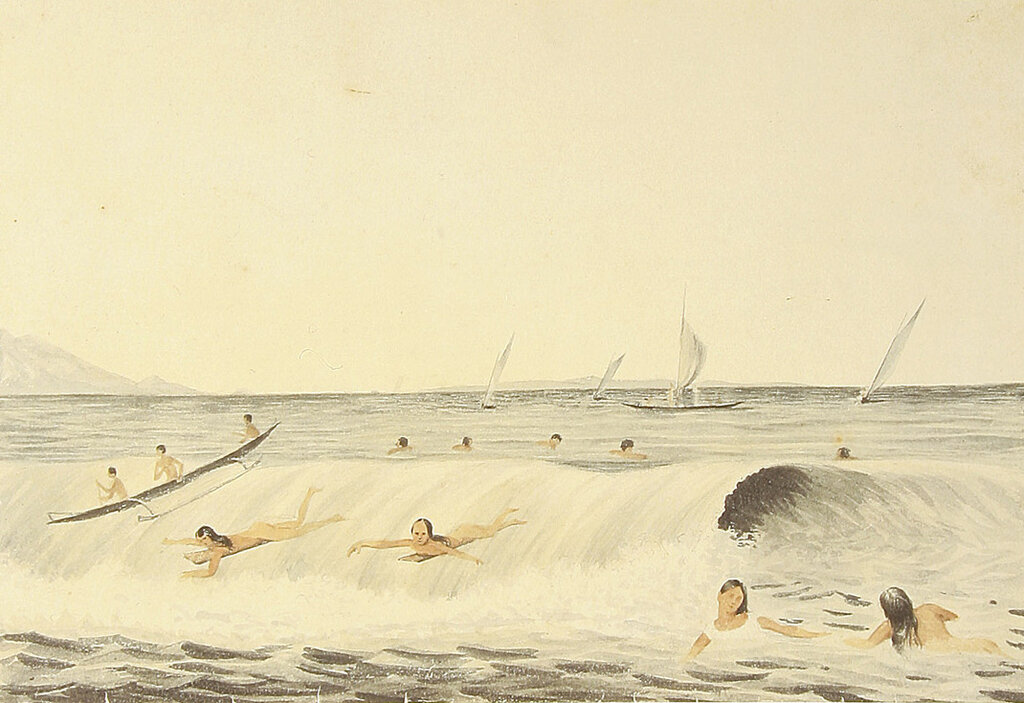
The first surfboards weren’t made of foam and fiberglass. They were massive planks of solid wood, handcrafted from native trees. Surfing was a community affair, but the boards themselves often reflected a person’s place in society. The three main types of boards were the paipo, the alaia, and the olo.
A Board for Everyone
The smallest board was the paipo. Usually just a few feet long, it was ridden lying down, similar to a modern bodyboard. The paipo was for everyone, especially children, and was a great way to learn the ways of the ocean.
The most common board was the alaia. Thin, finless, and typically 7 to 12 feet long, these boards were ridden by the general population. They were difficult to master but offered a fast, thrilling ride for skilled surfers.
Then there was the olo, the board of chiefs. These massive boards could be up to 24 feet long and weigh over 175 pounds. Reserved exclusively for the aliʻi, or royalty, they were a powerful symbol of status and skill. Riding an olo required immense strength and a deep understanding of the waves.
Wood, Skill, and Spirit
Crafting a surfboard was a careful process. Board shapers selected wood from specific trees like the light wiliwili, the versatile ʻulu (breadfruit), or the prized, heavy koa. Koa trees were reserved for the olo boards of the aliʻi. After felling the tree, the shaper would rough out the shape with an adze, then smooth it with coral and sand. The final board was stained with root dyes and polished with kukui nut oil to make it water-resistant.
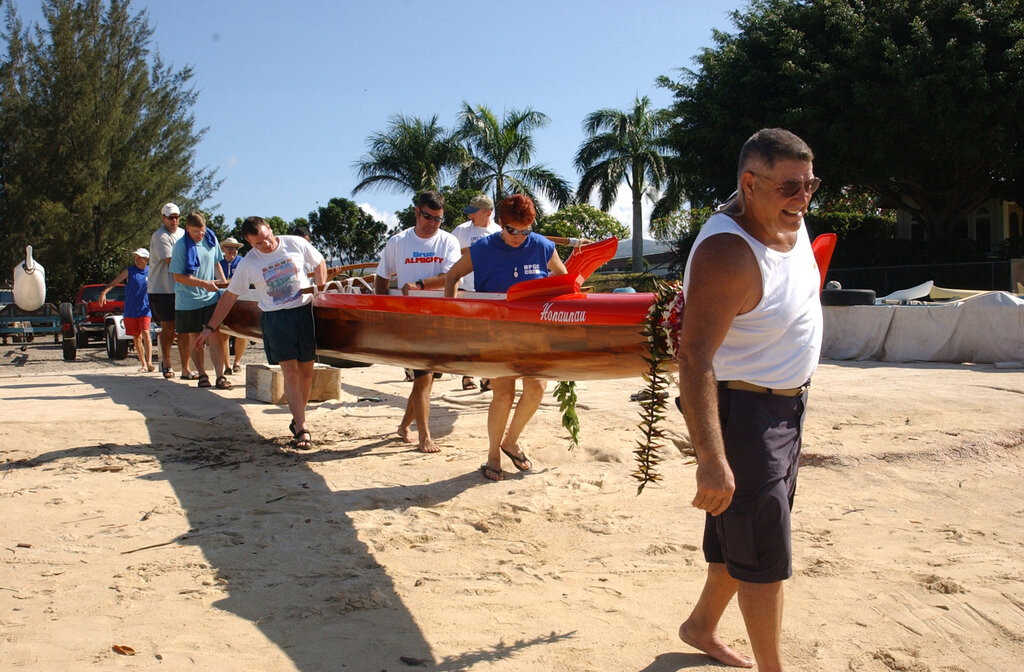
Surfing was also tied to spiritual beliefs. Before entering the water, surfers might pray or chant for good waves. Priests, or kahuna, would perform rituals to bless new boards and ensure the safety of the riders. Wave riding wasn't just about fun; it was a way to connect with the power of the ocean. Great surfers were celebrated figures in their communities, and surfing contests were major events, used to settle arguments and demonstrate prowess.
The type of board, the wood it was made from, and a surfer's skill on the waves all reflected their connection to the community and the sea.
Ready to test your knowledge?
What does the Hawaiian term for surfing, heʻe nalu, translate to in English?
Which type of ancient Hawaiian surfboard was a massive plank reserved exclusively for royalty (aliʻi)?
These early traditions laid the foundation for the sport we know today, connecting every modern surfer to a long and rich history of wave riding.