Supporting Young Learners with Dyslexia
Understanding Dyslexia
What is Dyslexia?
Dyslexia is a common learning difference that primarily affects the skills involved in accurate and fluent word reading and spelling. It's important to know that dyslexia has nothing to do with intelligence. People with dyslexia are just as smart as their peers; their brains simply process language differently.
Think of it like being left-handed in a world designed for right-handed people. The tools are the same, but the way you use them is different. Dyslexia is a different way of processing information, not a deficit.
The exact causes of dyslexia are not fully known, but it often runs in families. This suggests that specific genes inherited from parents can influence how the brain develops for language processing. It's a neurological condition, meaning it originates in the brain.
The Brain on Reading
When most people read, specific areas in the left side of the brain work together like a well-oiled machine. These areas quickly connect the letters they see with the sounds they represent, allowing for smooth, automatic reading.
For someone with dyslexia, this network functions differently. Brain imaging studies show that people with dyslexia tend to use different neural pathways when they read, often relying more on the right side of their brain. This alternative route is less efficient for reading, which can make the process slow, effortful, and prone to errors.
This isn't a problem of vision. People with dyslexia see letters and words just as clearly as anyone else. The difficulty lies in the brain's ability to manipulate the sounds of language and map them to the corresponding letters.
Signs and Impact
Since dyslexia affects language processing, its signs can appear even before a child starts learning to read. Preschoolers might have trouble with nursery rhymes, mispronounce common words, or be slow to learn new vocabulary.
Once in school, the challenges become more apparent. Common signs include:
- Difficulty learning the alphabet and connecting letters to their sounds.
- Reading words slowly and with great effort.
- Confusing letters that look similar (like 'b' and 'd') or sound similar (like 'f' and 'v').
- Trouble spelling, even common words.
- Avoiding reading activities.
These difficulties directly impact reading and writing. A child with dyslexia might struggle to comprehend a text because they spend so much mental energy just decoding the individual words. Writing can be equally challenging due to problems with spelling and organizing thoughts on paper.
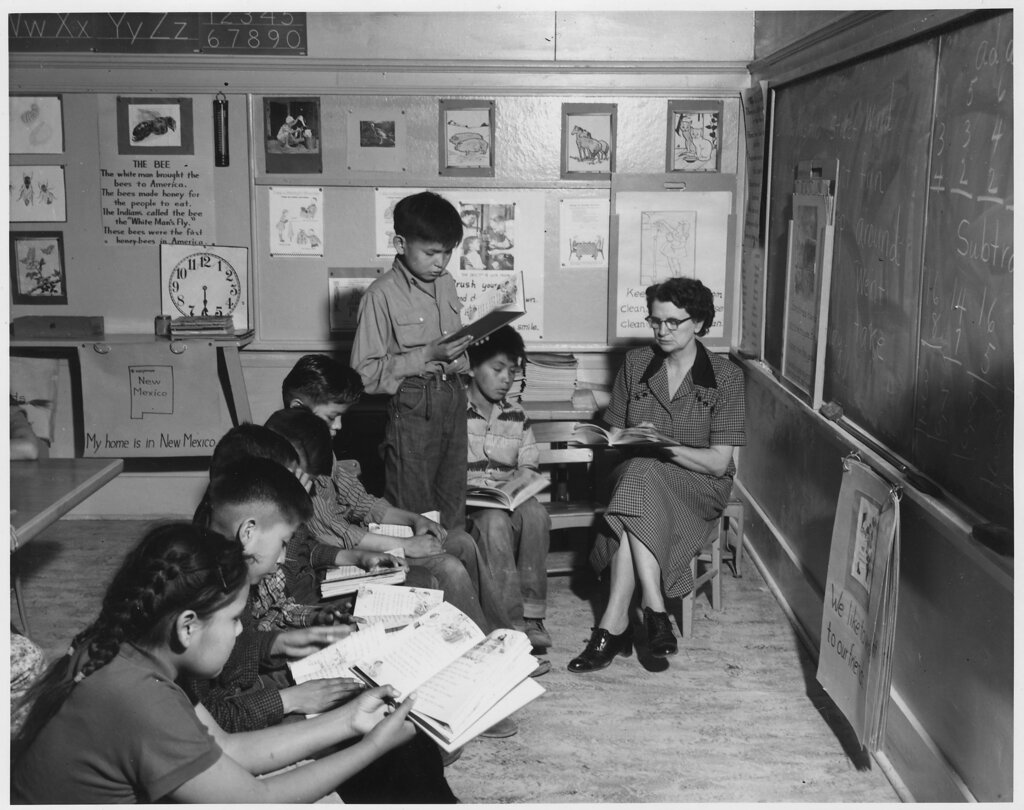
The impact isn't limited to academics. It can affect a child's self-esteem and motivation. Without proper support, they might feel frustrated or believe they aren't smart, which is why early identification is so crucial.
When dyslexia is identified early, it allows parents and educators to provide the right kind of support. It's not about 'curing' dyslexia, but about teaching strategies that work with a dyslexic person's way of thinking. Early intervention helps children build skills and confidence before they fall behind, setting them up for academic success and a lifelong love of learning.
Detecting comprehension barriers and identifying actionable improvements within documents is complex, particularly in education where reading is fundamental.
Understanding the nature of dyslexia is the first step. By recognizing that it's a difference in brain wiring, not a lack of effort, we can approach the challenge with empathy and the right tools.
What is the primary characteristic of dyslexia?
Dyslexia is directly caused by a person's level of intelligence.