Supporting a Spouse with PTSD
Understanding PTSD
What Is PTSD?
Post-Traumatic Stress Disorder (PTSD) is a mental health condition that some people develop after experiencing or witnessing a terrifying event. It’s not a sign of weakness. Instead, it’s a complex reaction to an overwhelming experience that the brain struggles to process.
PTSD can be considered a consequence of our body’s inability to effectively return to “normal” in the months after its extraordinary response to a traumatic event.
The events that can lead to PTSD are varied and deeply personal. They might include combat exposure, a serious accident, physical or sexual assault, natural disasters, or the sudden death of a loved one. The common thread is a feeling of intense fear, helplessness, or horror. After such an event, it's normal to have upsetting memories, feel on edge, or have trouble sleeping. For most people, these reactions fade over time. But for someone with PTSD, they persist and can even get worse.
Recognizing the Symptoms
PTSD symptoms are typically grouped into four main categories. A person might not experience all of them, and the intensity can vary from day to day.
Intrusion symptoms mean the trauma keeps re-entering a person's thoughts. This can happen through unwanted memories, vivid flashbacks where they feel the event is happening again, or nightmares.
Avoidance is just what it sounds like: trying to stay away from anything that reminds them of the trauma. This could mean avoiding people, places, activities, or even thoughts and feelings connected to the event.
Negative changes in thoughts and mood can make a person feel detached from others, lose interest in activities they once enjoyed, or feel persistent guilt, shame, or anger. They might have trouble remembering key parts of the traumatic event.
Finally, arousal and reactivity symptoms refer to being constantly on alert. This can manifest as being easily startled, feeling irritable, having trouble sleeping, or engaging in reckless behavior.
Impact on Daily Life and Marriage
Living with PTSD can feel like running a marathon every day. The constant state of high alert is physically and emotionally draining. It can make everyday tasks, like going to the grocery store or concentrating at work, feel monumental.
The symptoms can also create significant strain on relationships, especially a marriage. A partner with PTSD might seem distant or emotionally unavailable. This isn't because they don't care; it's often a result of emotional numbness or an effort to avoid triggers.
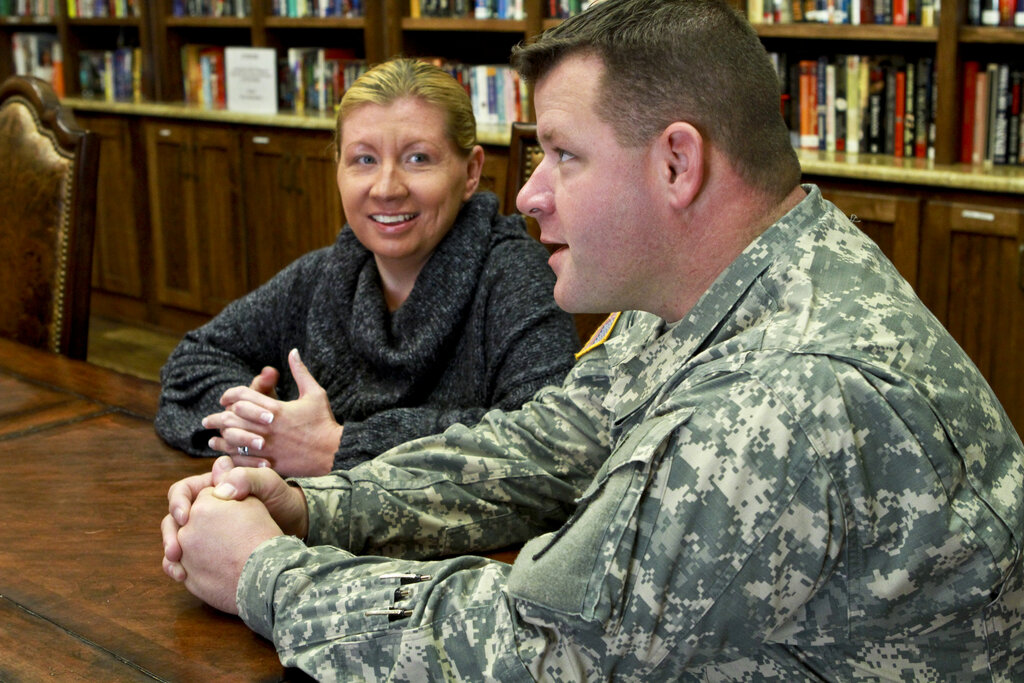
Irritability and angry outbursts can lead to frequent arguments, leaving the other spouse feeling hurt or like they're walking on eggshells. Avoidance behaviors can also be confusing. A refusal to go to a crowded movie theater might seem controlling, but for the person with PTSD, it's a desperate attempt to avoid feeling overwhelmed and unsafe.
Intimacy often suffers as well. The emotional distance, negative self-perception, and physical tension associated with PTSD can make both emotional and physical connection difficult. It requires immense patience and understanding from both partners to navigate these challenges.
The effects of PTSD ripple outward, touching every part of a person's life and the lives of those who love them.
It's a good time to review the key terms we've covered.
Now, let's check your understanding of these core concepts.
Which of the following best describes Post-Traumatic Stress Disorder (PTSD)?
Vivid flashbacks, where a person feels like a traumatic event is happening again, fall under which category of PTSD symptoms?
Understanding the definition, causes, and symptoms of PTSD is the first and most critical step. It builds a foundation of knowledge that makes empathy and effective support possible.