Supporting a Spouse with Depression After Glioblastoma
Understanding Glioblastoma
An Aggressive Brain Tumor
Glioblastoma, often abbreviated as GBM, is the most common and most aggressive type of primary brain tumor in adults. It originates from star-shaped cells in the brain called astrocytes, which normally support and protect neurons. In glioblastoma, these cells grow out of control, forming a malignant tumor.
What makes glioblastoma so formidable is its structure and behavior. The tumor is highly infiltrative, meaning it doesn't grow as a single, contained mass. Instead, it sends out tiny, tentacle-like projections deep into the surrounding brain tissue. This makes it nearly impossible to remove completely with surgery.
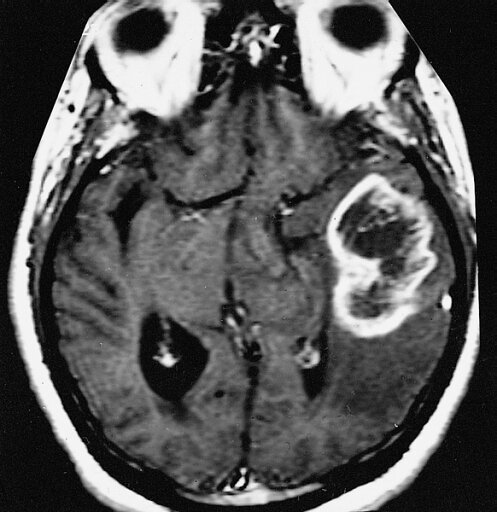
Furthermore, these tumors have their own blood supply, which helps them grow rapidly. They are also known for their cellular diversity; a single tumor can contain many different types of cells, some of which may be resistant to certain treatments. This combination of rapid growth, infiltration, and resistance makes glioblastoma exceptionally difficult to treat.
The infiltrative spread of GBM cells hinders the gross total resection.
Signs and Diagnosis
The symptoms of glioblastoma depend heavily on the tumor's size and location within the brain. As the tumor grows, it increases pressure inside the skull, leading to a range of potential issues.
Common signs include persistent headaches that are often worse in the morning, seizures, nausea, and vomiting. Patients might also experience significant changes in personality, mood, or concentration. Depending on which part of the brain is affected, symptoms can include memory loss, speech difficulties, or weakness on one side of the body.
Symptoms often appear suddenly and worsen quickly, reflecting the tumor's rapid growth.
Diagnosing a glioblastoma typically starts with a neurological exam to check vision, hearing, balance, and reflexes. If a brain tumor is suspected, the primary diagnostic tools are imaging tests. Magnetic Resonance Imaging (MRI) is the preferred method, as it provides detailed pictures of the brain and can reveal the tumor's location, size, and shape. A biopsy, where a small sample of tumor tissue is removed and examined under a microscope, is necessary to confirm the diagnosis and identify the specific type of tumor cells.
Treatment and Its Challenges
The standard treatment for glioblastoma is a multi-pronged approach, often starting with surgery. The goal of surgery is to remove as much of the tumor as possible, a procedure called debulking. This can help relieve pressure inside the skull and reduce symptoms. However, due to the tumor's infiltrative nature, complete removal is rarely possible.
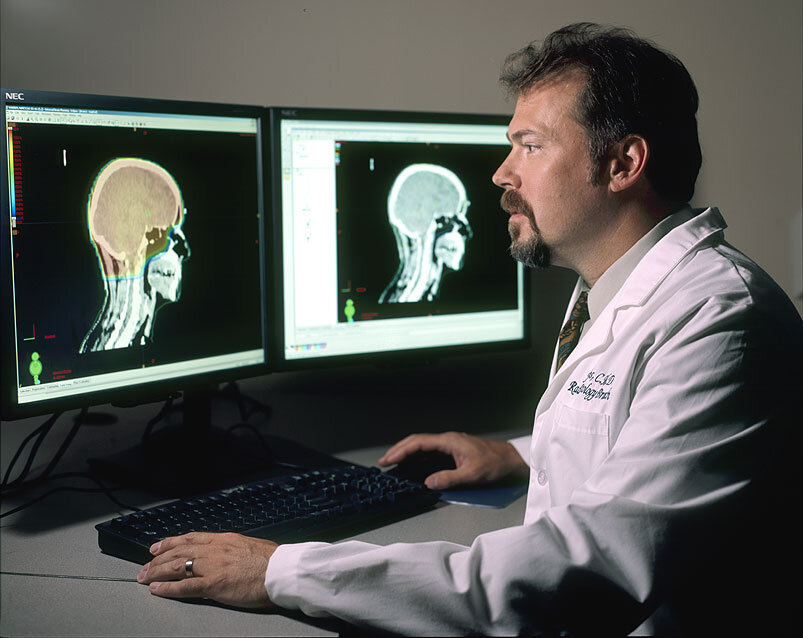
Following surgery, patients typically undergo radiation therapy combined with chemotherapy. Radiation uses high-energy beams to target and kill any remaining cancer cells. This is usually given five days a week for about six weeks. Concurrently, patients take a chemotherapy drug called temozolomide. This drug is able to cross the blood-brain barrier, a protective membrane that shields the brain from harmful substances, allowing it to attack the tumor cells directly.
Even with aggressive treatment, glioblastoma has a high rate of recurrence because microscopic cancer cells are almost always left behind.
This leads to the central challenge in managing the disease. The tumor's resistance to therapy and its inevitable recurrence mean that even the most effective current treatments are not curative. Ongoing research is focused on developing new therapies, including immunotherapy and targeted drug treatments, to improve outcomes for patients.
Living with Glioblastoma
A glioblastoma diagnosis has a profound impact on a person's quality of life. The disease and its treatments can cause significant fatigue, cognitive changes, and emotional distress. Patients may struggle with memory, concentration, and executive functions, making it difficult to work or perform daily tasks. Physical symptoms like weakness or seizures can also limit independence.
The emotional toll is immense for both patients and their families. Coping with a difficult prognosis, navigating complex medical decisions, and managing the side effects of treatment can be overwhelming. The diagnosis often brings a mix of fear, anxiety, and sadness. Family dynamics shift as loved ones take on caregiving roles.
Supportive care, also known as palliative care, is a crucial part of the treatment plan. It focuses on managing symptoms, relieving stress, and improving overall quality of life. This can include physical therapy, counseling, and spiritual support, helping patients and their families navigate the challenges of living with this disease.
Time to check your understanding of the key concepts covered.
Glioblastoma originates from which type of star-shaped cells in the brain?
What is the primary reason that complete surgical removal of a glioblastoma is nearly impossible?
Glioblastoma presents one of the toughest challenges in modern oncology. Understanding its characteristics, treatment options, and impact is the first step in confronting this complex disease.