Supported Languages Explained
Introduction to Language Support in Systems
Speaking the User's Language
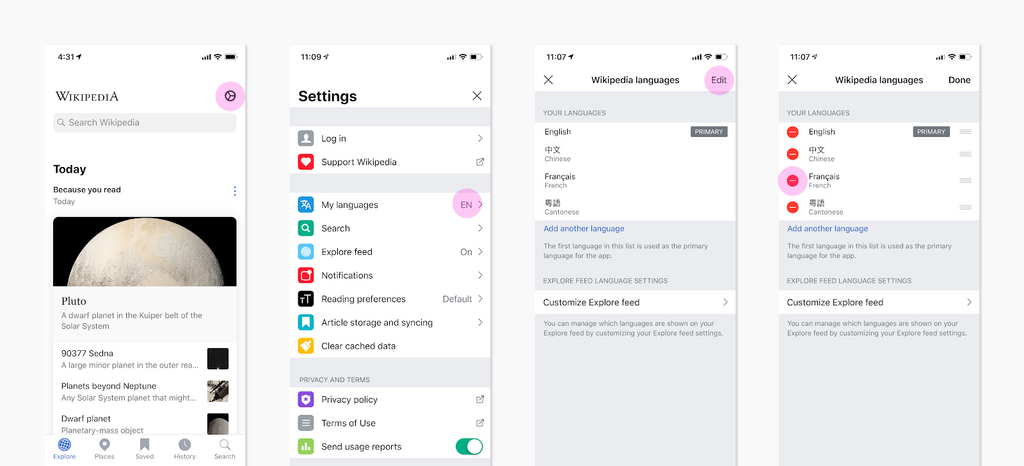
When you install a new app on your phone or set up a computer, one of the first questions you're often asked is to choose your language. This feature, known as language support, is a fundamental part of modern technology. It’s the ability of a system, whether it's an operating system, a website, or an application, to communicate with users in different languages.
Good language support goes far beyond simple word-for-word translation. It ensures that dates, times, currencies, and even colors are presented in a way that feels natural and familiar to people in different parts of the world. The goal is to create a seamless experience, making the technology feel as if it were designed specifically for that user, wherever they may be.
Building for a Global Audience
To create products that work for everyone, developers rely on two key processes: internationalization and localization. Though they sound similar, they represent two distinct and crucial stages of development.
internationalization
noun
The process of designing and engineering a product so it can be easily adapted for various languages and regions without needing to be redesigned. It's often abbreviated as i18n (because there are 18 letters between the 'i' and the 'n').
Think of internationalization as building the foundation of a house. It involves preparing the software's code to handle different character sets (like Cyrillic or Kanji), text that reads from right-to-left (like Arabic and Hebrew), and various formats for dates and numbers. This foundational work doesn't add any specific language; it just makes the software capable of supporting them later.
localization
noun
The process of adapting an internationalized product for a specific country or region. It's often abbreviated as l10n (10 letters between 'l' and 'n').
If internationalization is the foundation, localization is the interior decorating. This is the step where the actual translation of text happens. It also includes adapting graphics, using appropriate cultural references, and converting units of measurement to fit local conventions. It’s the final touch that makes the product feel truly native to a specific market.
Why It Matters
Implementing robust language support isn't just a nice feature; it's a critical strategy for any product aiming for a wide audience. The benefits directly impact both user satisfaction and business growth.
Users are more likely to trust and engage with a product that speaks their language. It removes friction and makes the experience feel more intuitive and welcoming.
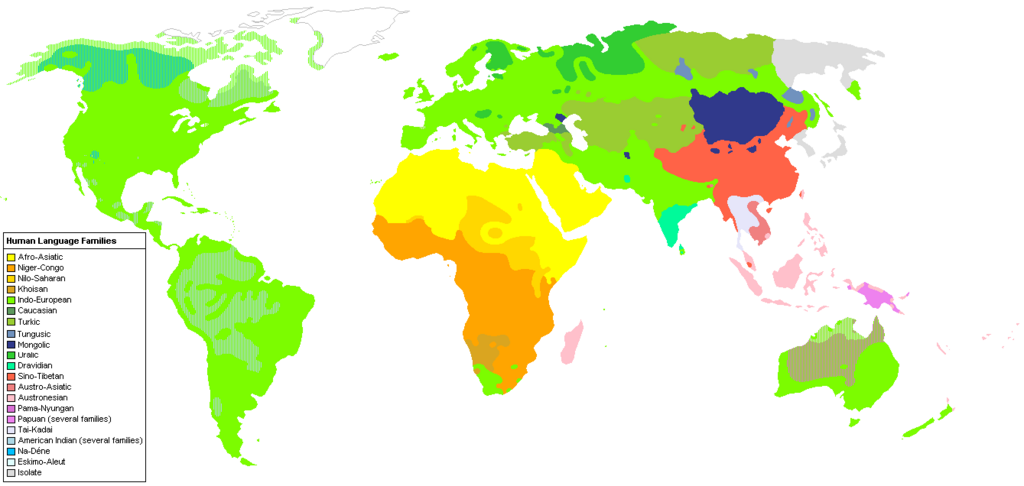
From a business perspective, language support is the key to unlocking new markets. A product available only in English can reach a significant portion of the internet, but it excludes billions of potential users. Localization allows a company to connect with customers in different regions, showing respect for their culture and language. This can dramatically expand a product's global reach and market share.
However, providing good language support has its challenges. Direct translation can often miss idioms and cultural nuances, leading to awkward or nonsensical text. Some languages require more space on a screen than others, which can break the design of a user interface. Furthermore, maintaining and updating content across dozens of languages requires a coordinated and continuous effort. Despite these hurdles, the value of making technology accessible to everyone makes it a worthwhile endeavor.
What is the primary difference between internationalization and localization?
Which of the following is an example of a localization task, not an internationalization task?