Supply Chain Management Essentials
Introduction to Supply Chain Management
The Journey of a Product
Think about the smartphone in your pocket or the coffee you drank this morning. Where did it come from? The journey from raw material to the final product you hold is often long and complex. It involves a network of different companies, people, and activities. This network is called a supply chain.
A supply chain is the entire system of producing and delivering a product or service, from the very beginning stage of sourcing the raw materials to the final delivery of the product or service to end-users.
Supply Chain Management, or SCM, is the art and science of managing this entire flow. It's about getting the right product to the right place, at the right time, in the right quantity, and at the right cost. When done well, SCM leads to lower costs, faster delivery, and happier customers. It's a critical part of how modern businesses compete and succeed.
Supply Chain Management (SCM) encompasses the coordinated management of resources, materials, information, and finances as a product or service moves from supplier to manufacturer to wholesaler to retailer to consumer.
The Links in the Chain
A supply chain is made up of several key players, each with a specific role. While the exact structure can vary, most supply chains include a few core components.
These components don't operate in isolation. The movement of physical goods from supplier to customer is only half the story. Information, such as orders and sales data, flows in the opposite direction, as does money. A well-managed supply chain ensures all these flows are smooth and efficient.
A Symphony of Functions
Effective supply chain management is like conducting an orchestra. It requires coordinating many different business functions so they work in harmony. It's not just one department's job; it's an integrated effort across the entire organization and its partners.
Inside a company, SCM connects departments that might otherwise work separately:
- Procurement: Responsible for sourcing and buying raw materials.
- Operations: Manages the manufacturing process to turn materials into finished goods.
- Logistics: Handles transportation, warehousing, and inventory management.
- Marketing and Sales: Gathers customer demand data that drives the whole chain.
When these functions are aligned, a business can respond faster to customer needs, reduce waste, and improve its bottom line. This integration extends beyond the company's walls to include close collaboration with external suppliers, distributors, and logistics providers.
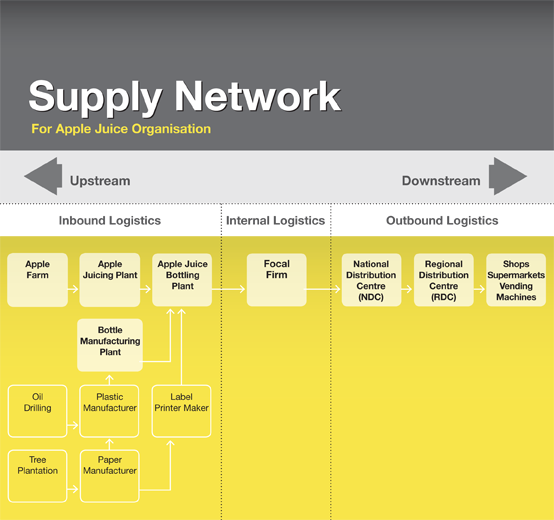
Ultimately, the goal is to create a single, seamless process that delivers maximum value to the customer. Every link and every function must work together to achieve this.
Time to check your understanding of the basics.
What is the primary definition of a supply chain?
Besides the physical movement of goods, what other critical flows are managed within a supply chain?
By understanding these core concepts—what a supply chain is, its key components, and how it integrates various business functions—you have a solid foundation for exploring the more detailed aspects of managing a modern supply chain.