Supplements for Peak Performance
Introduction to Dietary Supplements
What Are Dietary Supplements?
Dietary supplements are products taken by mouth to add nutrients or other compounds to your diet. Think of them as concentrated ingredients you might find in food, but packaged into pills, powders, liquids, or bars. Their goal is to fill nutritional gaps or provide a specific compound to support health or performance.

Supplements can contain a wide range of ingredients. Common categories include:
- Vitamins and minerals: Like vitamin D or iron.
- Herbs or botanicals: Such as turmeric or echinacea.
- Amino acids: The building blocks of protein, like leucine or tryptophan.
- Enzymes: Molecules that speed up chemical reactions in the body.
- Other substances: This is a broad category that can include compounds like caffeine, probiotics, and fish oils.
Essential vs. Non-Essential
To understand supplements, it helps to know the difference between essential and non-essential nutrients. Your body needs certain substances to function, but it can't make all of them on its own.
Essential Nutrient
noun
A substance that the body needs for survival or normal function but cannot produce at all, or cannot produce in sufficient quantities. It must be obtained from the diet.
Think of essential nutrients as the parts your body has to order from an outside supplier: your food. This category includes vitamins, minerals, some amino acids, and certain fatty acids.
A non-essential nutrient or compound is one your body can produce on its own. For example, your body can synthesize the amino acid alanine, so you don't strictly need to get it from food. However, "non-essential" doesn't mean "unimportant." Some non-essential compounds, like creatine, can offer performance benefits when supplemented in amounts greater than what the body produces or what's typically found in a diet.
Who's in Charge Here?
The regulation of dietary supplements is a bit different from that of prescription or over-the-counter drugs. In the United States, the Food and Drug Administration (FDA) is the primary regulatory body, but it handles supplements under a unique set of rules established by the Dietary Supplement Health and Education Act of 1994 (DSHEA).

Under DSHEA, supplements are treated more like food than drugs. This has a major consequence: manufacturers do not need to prove that a supplement is safe or effective before it hits the market. The FDA's role is largely reactive. It can only take action to remove a product from the market after it has been proven to be unsafe.
Unlike drug manufacturers, supplement makers don't have to get FDA approval before selling their products. The responsibility for safety and accurate labeling falls on the manufacturer.
For reliable, unbiased information, you can turn to organizations like the National Institutes of Health (NIH) Office of Dietary Supplements. They provide evidence-based fact sheets on a wide variety of supplements for both consumers and health professionals.
A Smart and Safe Approach
Because of the loose regulatory framework, taking a smart, evidence-based approach to supplementation is critical. A "food-first" philosophy is always the best starting point. Supplements should do just that: supplement a healthy diet, not replace it.
The site should describe the evidence (such as articles in medical journals) that the material is based on.
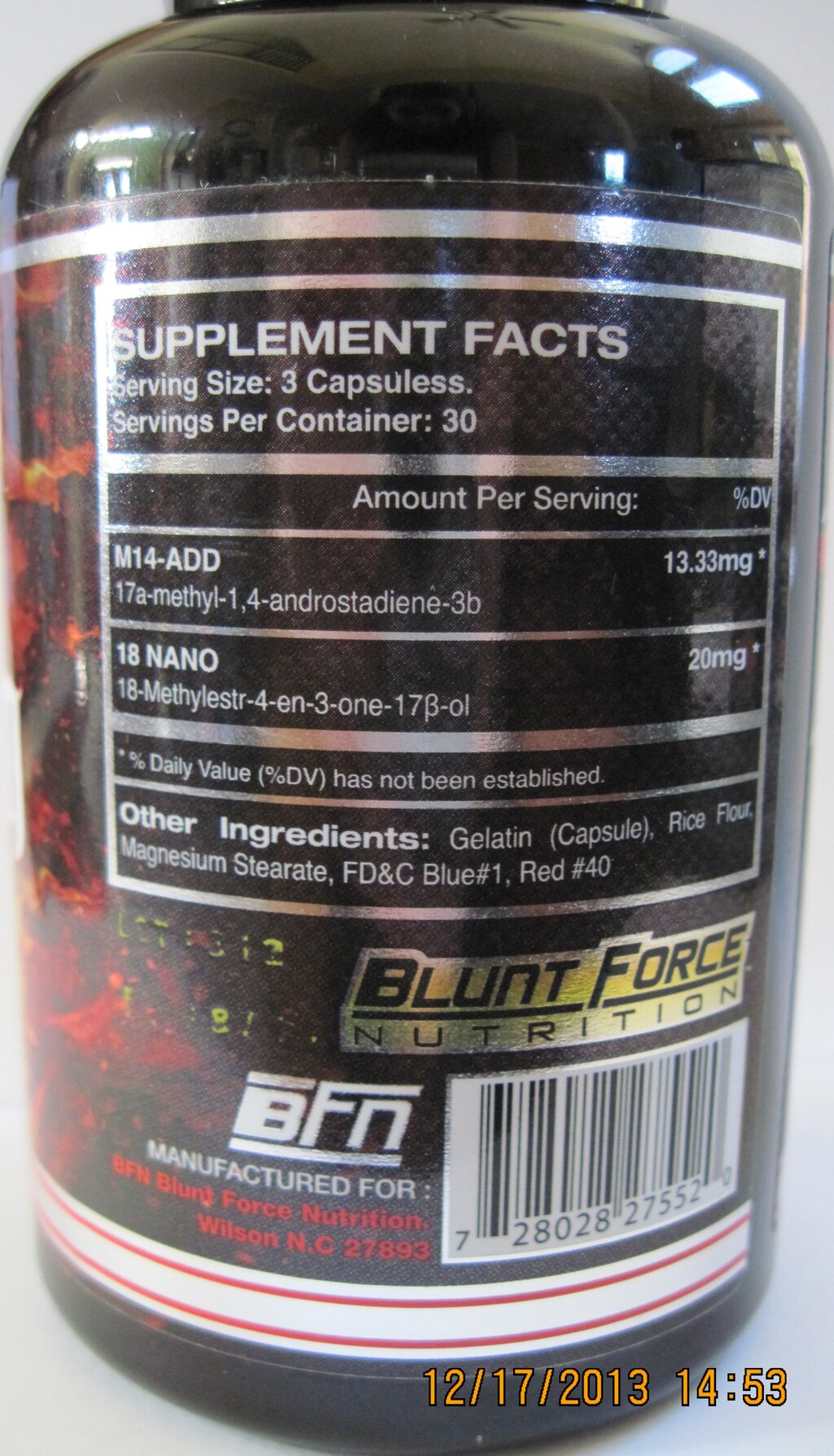
Improper supplement use carries real risks. Some products may be contaminated with unlisted ingredients, including prescription drugs or banned substances. Dosages on the label might not match the actual contents, and some supplements can interfere with medications you're already taking. Always consult with a healthcare professional, like a doctor or registered dietitian, before starting any new supplement. They can help you weigh the potential benefits against the risks based on your individual needs and health status.
Now that you understand the basics, let's test your knowledge.
What is the primary goal of a dietary supplement?
Under the Dietary Supplement Health and Education Act (DSHEA), the FDA's role in regulating supplements is primarily ______, meaning it can only take action after a product is proven unsafe.
Thinking critically about what you put in your body is the first step toward using supplements safely and effectively.