Supplement Business Regulations
Introduction to Dietary Supplements
What Are Dietary Supplements?
Dietary supplements are products you eat or drink to add nutrients to your body or to lower your risk of health problems. They are intended to supplement, or add to, a diet—not to replace healthy food.
Dietary Supplement
noun
A product taken by mouth that contains a "dietary ingredient" intended to supplement the diet. These ingredients may include vitamins, minerals, herbs or other botanicals, amino acids, and substances such as enzymes and metabolites.
Think of them as a way to fill in small nutritional gaps. If your diet is consistently missing something, a supplement might help. They come in many forms, including pills, capsules, powders, liquids, and gummies.

Common Types of Supplements
Dietary supplements are a broad category. Let's break down the most common types you'll find on the shelf.
Vitamins and Minerals: These are probably the most familiar. They include things like Vitamin C, Vitamin D, calcium, and iron. Often, they're combined into a single multivitamin.
Botanicals: Also known as herbal supplements, these are derived from plants. Examples include echinacea, ginseng, and turmeric. They use all parts of a plant, like the leaves, flowers, or roots.
Amino Acids: These are the building blocks of proteins. Some people take supplements like creatine or branched-chain amino acids (BCAAs) to support muscle growth and athletic performance.
Probiotics: These are live bacteria and yeasts that are good for your digestive system. Often called "good" bacteria, they are found in fermented foods like yogurt and are also sold as supplements.
Role in Health and Nutrition
The main role of a dietary supplement is to provide nutrients you might not be getting in sufficient amounts from your diet. For example, someone who doesn't eat dairy might take a calcium supplement for bone health. Vegans might take Vitamin B12, which is primarily found in animal products.
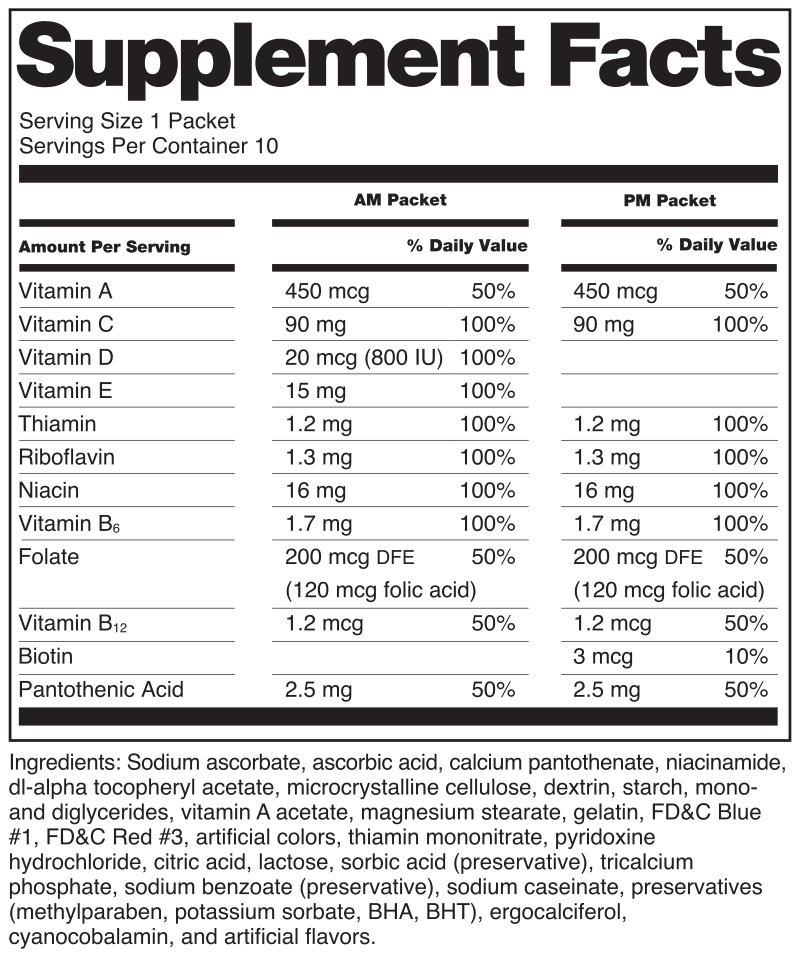
However, more isn't always better. High doses of some supplements can be harmful. The best approach is always to get nutrients from whole foods—fruits, vegetables, grains, and proteins. Food provides a complex mix of vitamins, minerals, fiber, and other beneficial substances that can't be replicated in a pill.
A supplement can be a helpful tool for specific situations, but it's not a substitute for a balanced diet.
| Supplement Type | Common Role in the Body |
|---|---|
| Vitamins | Support immune function, energy production, and cell health. |
| Minerals | Essential for bone health, fluid balance, and metabolism. |
| Botanicals | Used for a wide variety of health purposes, from wellness to tradition. |
| Amino Acids | Build proteins, support muscle repair and growth. |
| Probiotics | Promote a healthy balance of gut bacteria for digestion. |
Now, let's test what you've learned about the basics of dietary supplements.
What is the primary role of a dietary supplement?
Supplements derived from plants, such as echinacea or ginseng, are known as ______.
Understanding what supplements are and the different types available is the first step. They can be part of a healthy lifestyle, but the foundation should always be a nutrient-rich diet.