Supermemory.ai Category Explained
Introduction to Memory Enhancement Technologies
The Evolution of Memory Tools
For thousands of years, humans have sought ways to remember better. Ancient Greek orators used a technique called the Method of Loci, mentally placing information in a familiar location like a building—a “memory palace”—to recall it later. This idea of connecting new information to something you already know is a cornerstone of memory enhancement.
More recent, low-tech tools like paper flashcards operate on a similar principle. By writing a question on one side and an answer on the other, you create a simple way to test your recall. But these manual methods have limitations. How do you know which cards to review, and when? It's easy to waste time on things you already know or forget to review things you're about to forget.
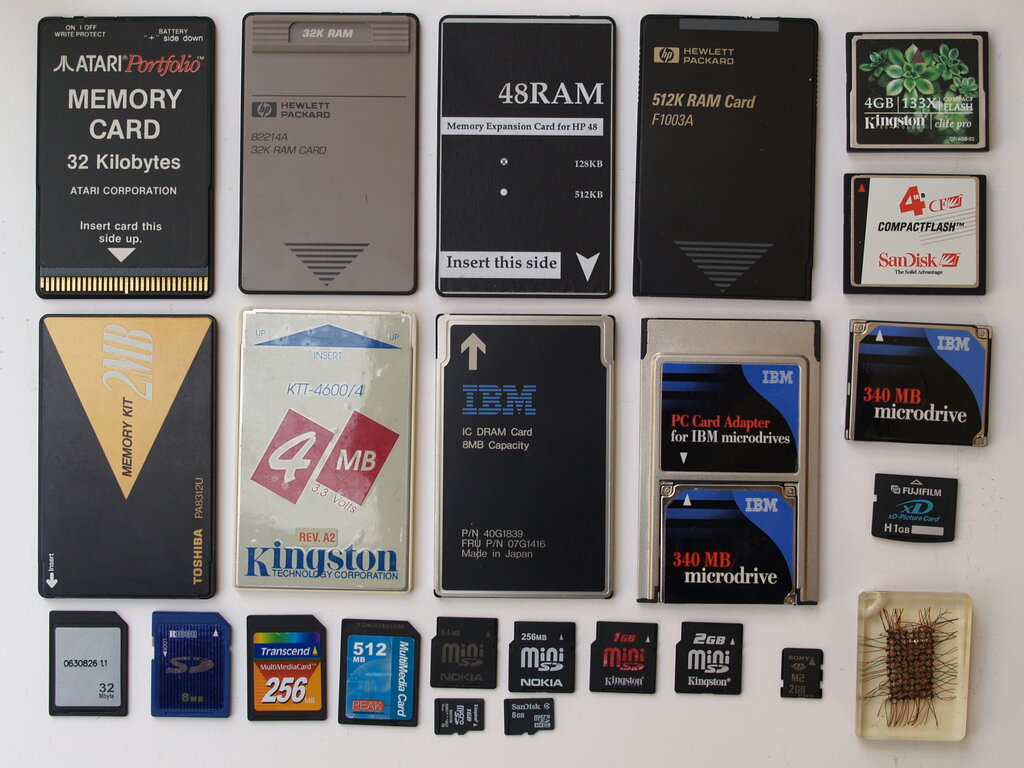
The advent of computers brought a new level of precision to this age-old challenge. Early digital systems could track what you knew and what you struggled with, paving the way for more efficient and personalized learning strategies.
Spaced Repetition Systems
One of the most powerful digital learning strategies is the Spaced Repetition System, or SRS. The concept is based on a psychological finding called the “forgetting curve.” First described by Hermann Ebbinghaus in the late 19th century, it shows that we naturally forget information over time, with the sharpest drop-off happening soon after learning something new.
An SRS works by interrupting this curve. It prompts you to review information right before you're likely to forget it. Each time you successfully recall something, the system increases the interval before you see it again. A concept you're learning might be shown to you after one day, then three days, then a week, then a month.
This method is incredibly efficient. Instead of cramming, you reinforce memories at the most optimal moments. This strengthens the neural pathways in your brain, moving information from short-term to long-term memory.
By strategically reviewing information at carefully timed intervals, learners can dramatically improve retention, reduce study time, and fortify memory strength.
AI Enters the Picture
Traditional Spaced Repetition Systems follow a set algorithm. But what if a learning tool could adapt to you personally? This is where artificial intelligence comes in.
AI takes SRS to the next level by creating a truly personalized learning experience. Instead of fixed intervals, an AI-powered system can analyze your performance on every single review. Did you answer quickly and confidently? The interval might get much longer. Did you hesitate or get it wrong? You'll see that information again sooner. This makes the process even more efficient, focusing your effort exactly where it's needed.
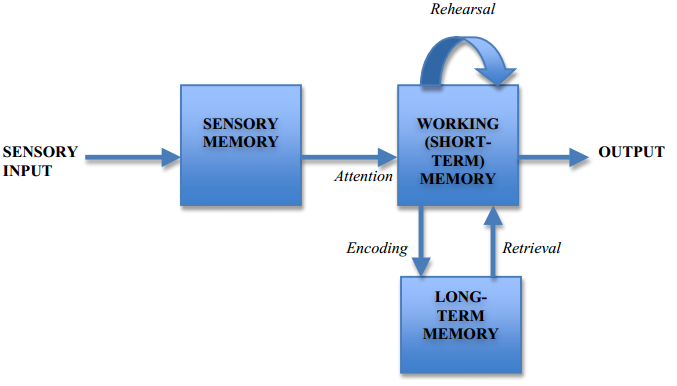
Beyond optimizing review schedules, AI can enhance learning in other ways. It can automatically generate flashcards from articles or videos, create practice questions to test your understanding, or even craft mnemonics to help you remember difficult concepts. These digital platforms act as intelligent tutors, adapting to your unique learning style and pace.
Let's check your understanding of these core ideas.
What is the core principle of the Method of Loci, also known as a "memory palace"?
According to the concept of the "forgetting curve," when is memory loss most likely to be the sharpest?
By combining proven principles from cognitive science with the power of modern technology, these tools offer a systematic way to learn more effectively and build lasting knowledge.