Suno AI Music Generation
Introduction to Suno AI
Making Music from Words
Imagine describing a song in a few sentences and having a machine create it for you, complete with vocals and instruments. That's the idea behind Suno AI. It's a tool that generates full-length songs from simple text prompts.
Suno AI is designed to democratize music creation, allowing anyone—regardless of musical background—to generate original songs simply by inputting text prompts.
You don't need to know music theory or how to play an instrument. You just need an idea. You can ask for a song about a rainy day in a specific style, and Suno will generate lyrics, a vocal performance, and all the backing music.
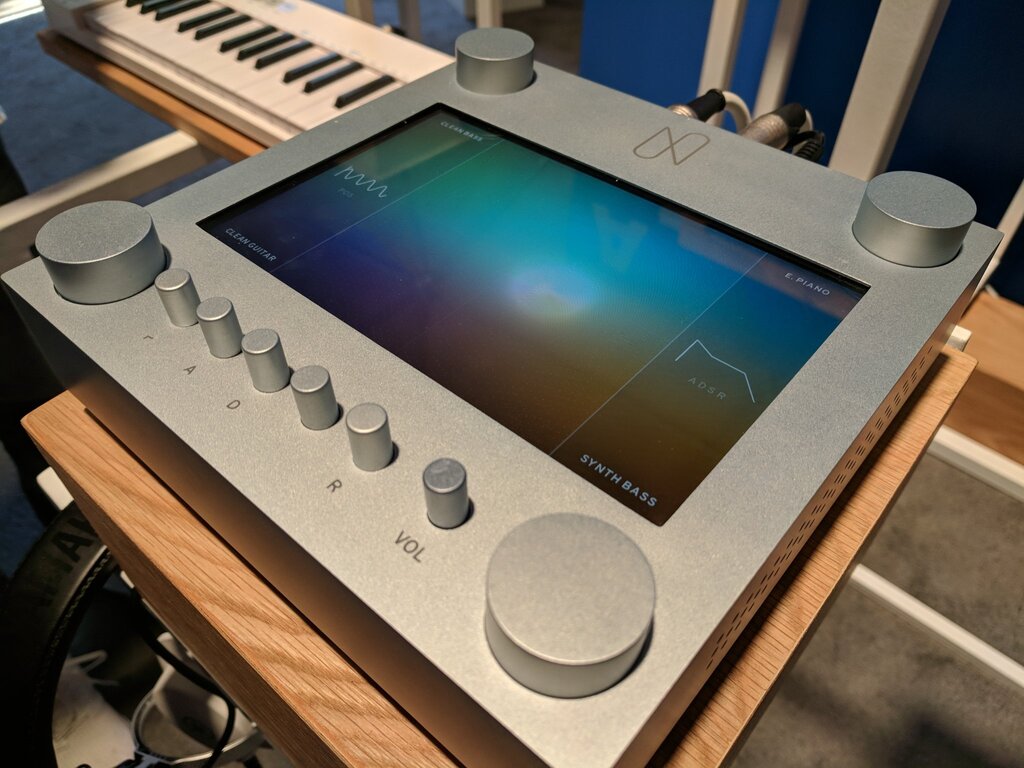
A Spectrum of Sound
Suno's capabilities are broad. It can generate music across dozens of genres, from pop and rock to electronic, hip-hop, and even more niche styles. The AI handles every part of the song: the lyrical content, the melody, and the full instrumentation. The user's prompt is the main creative input, guiding the AI's direction.
The more specific your prompt, the closer the generated song will be to your vision. Describing the mood, tempo, and genre is key.
For example, instead of just "a song about love," you might write: "A soulful, slow-tempo ballad about long-distance love, with a female vocalist and a simple piano melody." This level of detail helps the AI craft a more coherent and fitting piece of music.
Limitations and Legality
While impressive, AI music generation has its limits. The lyrics can sometimes feel disjointed or nonsensical, and the vocals and instruments might have a slightly synthetic or robotic quality. Think of it as a powerful brainstorming tool or a co-creator, not necessarily a replacement for a human artist. The output often needs a human touch to reach a professional standard.
There are also important legal and ethical questions. The music these models are trained on is a major point of discussion.
Like other generative AI models, both Udio and Suno (which we covered separately in April) rely on a broad selection of existing human-created artworks that teach a neural network the relationship between words in a written prompt and styles of music.
This brings up questions about copyright. Who owns the final song? With Suno, the answer typically depends on your subscription. Free users usually don't own the rights to use their songs commercially, while paid subscribers often do. It's crucial to read the terms of service before using any AI-generated music for a project.
Ready to test your knowledge?
What is the primary function of Suno AI?
Which of the following prompts would likely produce the most specific and coherent song from Suno AI?
Tools like Suno represent a new frontier in creative expression, making it possible for more people to bring their musical ideas to life.