Sunlight's Metabolic Influence
Sunlight and Skin Interaction
The Spark of Synthesis
Our skin is more than just a protective barrier; it's a chemical factory powered by the sun. When you step outside, a specific type of invisible light called ultraviolet B (UVB) radiation travels from the sun to your skin. This isn't the same as the light we see or the heat we feel. It's a particular wavelength of energy that kicks off a crucial process.
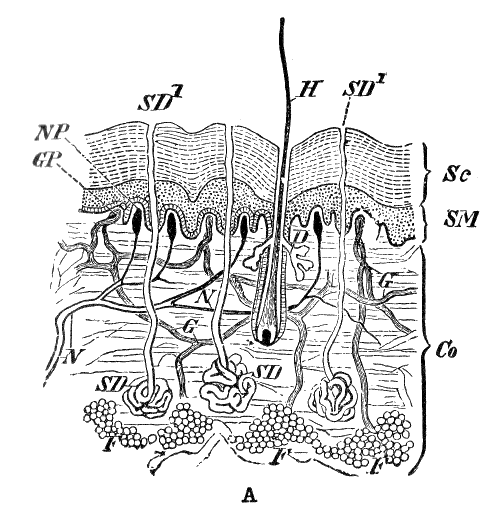
Within the epidermal layers of your skin, there's a compound called 7-dehydrocholesterol. Think of it as a coiled-up spring, waiting for the right kind of energy to be released. When UVB photons strike the skin, they provide the precise energy needed to break one of the chemical bonds in this molecule.
This burst of energy converts 7-dehydrocholesterol into a new molecule called previtamin D3. This initial transformation is incredibly fast and happens only when UVB light is present.
But the process isn't finished. Previtamin D3 is an unstable, intermediate molecule. Over the next few hours, the warmth of your body causes it to rearrange its shape. This slow, heat-driven process is called thermal isomerization. It doesn't need any more sunlight. The previtamin D3 naturally settles into a more stable form: vitamin D3, also known as cholecalciferol. This is the form of vitamin D that can then enter the bloodstream to be used by the body.
Factors That Change the Equation
The efficiency of this natural factory isn't constant. Several factors can turn up or dial down your skin's ability to produce vitamin D.
The amount of vitamin D you produce depends on where you are, what time it is, the color of your skin, and your age.
First, the time of day and year matter immensely. UVB rays are strongest when the sun is high in the sky, typically between 10 a.m. and 3 p.m. During early morning or late afternoon, the sun's rays arrive at a sharper angle, forcing them to pass through more of the Earth's atmosphere, which filters out most of the UVB. The same is true for winter months in locations far from the equator.
Skin pigmentation also plays a major role. Melanin, the pigment that gives skin its color, is excellent at absorbing UVB radiation. This is a great defense against sunburn and skin damage, but it also means melanin competes with 7-dehydrocholesterol for those same UVB photons. As a result, individuals with more melanin (darker skin) need longer sun exposure to produce the same amount of vitamin D as someone with less melanin (lighter skin).
Finally, age affects the process. As we get older, the concentration of 7-dehydrocholesterol in our skin naturally declines. An older person's skin simply has less of the raw material needed to start the vitamin D synthesis process, making them less efficient at producing it even with the same amount of sun exposure.
What specific type of solar radiation initiates the production of vitamin D in human skin?
What is the name of the process where the body's warmth converts previtamin D3 into the more stable vitamin D3 (cholecalciferol)?
Making vitamin D is a delicate balance. It's a direct chemical reaction between sunlight and a precursor in your skin, but one that is easily influenced by the world around you and your own biology.