Sumi-e Painting for Brand Inspiration
Introduction to Sumi-e
The Art of a Single Stroke
Sumi-e is a style of East Asian ink painting that values simplicity above all else. The name itself comes from two Japanese words: sumi, meaning “black ink,” and e, meaning “painting.” Using just black ink, a brush, and paper, artists aim to capture the spirit or essence of a subject rather than its exact appearance. Every stroke matters.
Sumi-e
noun
A style of East Asian monochrome ink wash painting which originated in China and was later developed in Japan. It uses black ink in various concentrations.
This art form began in China during the Tang Dynasty (618–907), where it was known as shuǐ mò huà. It wasn't just about painting pictures; it was a revered practice for scholars and gentlemen who valued brushwork as a form of personal expression, similar to calligraphy.
Journey to Japan
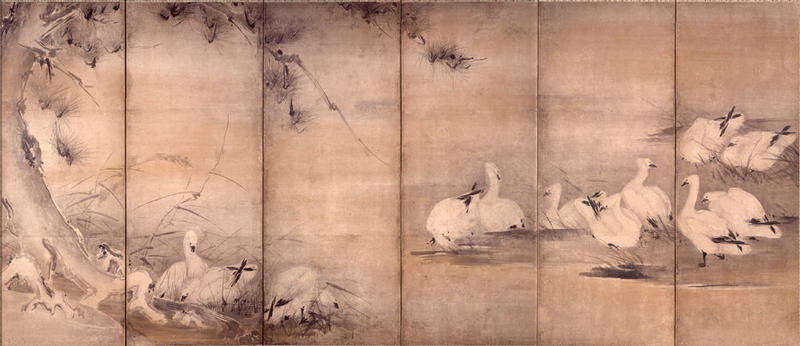
Sumi-e made its way to Japan in the mid-14th century, carried by Zen Buddhist monks. These monks saw painting not as a hobby, but as a spiritual practice—a way to train the mind. The art form quickly took root and flourished, especially during Japan's Muromachi period (1338–1573), becoming a signature style of Japanese art.
The aesthetics and philosophy of Song dynasty greatly influenced Japan, such as the pursuit of minimalism, the appreciation of the transient and ephemeral, and other intangible heritage practices like tea ceremony and appreciation, the love for landscape paintings and nature.
The Japanese masters adapted the Chinese techniques, infusing them with their own cultural and philosophical ideals. The result was a style that was distinctively Japanese, characterized by even greater emphasis on empty space and asymmetry.
The Zen Connection
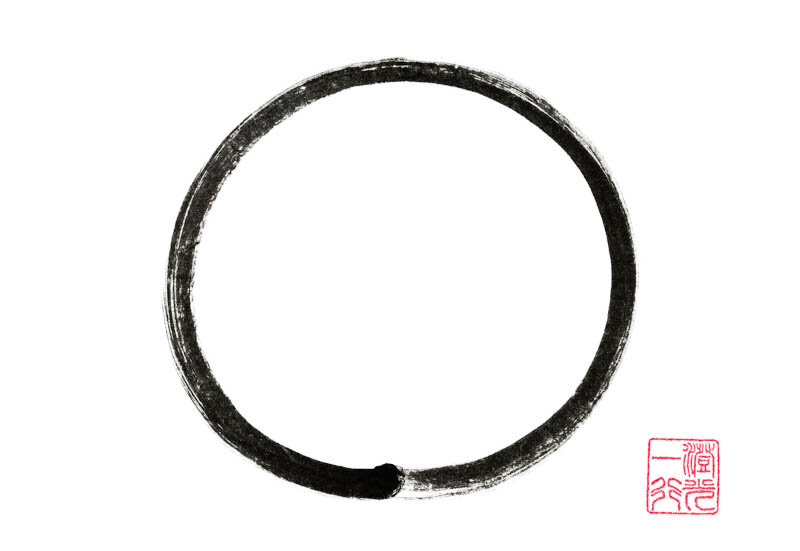
You can't fully understand Sumi-e without understanding its connection to Zen Buddhism. The practice is a form of meditation. The artist must clear their mind and act with complete focus, channeling their energy into the brush. There is no sketching and no correcting mistakes. Each painting is a record of a single moment of intense concentration.
This philosophy is built on a few core principles.
Simplicity: Less is more. A few thoughtful strokes are considered more powerful than a canvas filled with detail. The empty space, or yohaku, is just as important as the painted areas.
Mindfulness: The act of grinding the ink, loading the brush, and making a stroke is a ritual. It requires being fully present in the moment.
Imperfection: Zen philosophy embraces the idea of wabi-sabi, or the beauty of things that are imperfect and incomplete. A slightly off-balance composition or an uneven ink wash is not seen as a mistake, but as a reflection of the natural world.
Let's check what you've learned about the foundations of this unique art form.
What is the literal translation of the Japanese term "Sumi-e"?
The art form that became Sumi-e in Japan originated in which country during the Tang Dynasty?
By focusing on spirit over form, Sumi-e offers a timeless perspective on art and mindfulness.