Suetonian Political Ontology and Moral Psychology
Biographical Structural Tropes
Character as Political Framework
In De vita Caesarum, Suetonius is doing more than recounting imperial biographies. He is constructing a political framework through the systematic application of virtus (virtue) and vitium (vice). This isn't just moralizing; it's a structural tool for delineating the boundaries of legitimate rule. The character of the princeps becomes a proxy for the health of the state itself.
The semantic range of virtus in Suetonius extends beyond mere personal courage or integrity. It encompasses qualities essential to the principate's stability: clementia (mercy), civilitas (republican-style approachability), and moderatio (restraint). When Suetonius describes Augustus's refusal of certain honors or Tiberius's initial reluctance to accept power, he isn't just sharing anecdotes. He's codifying the behavior of a legitimate ruler. These acts of virtus reinforce the Augustan settlement's core fiction: that the emperor is the first citizen, not a monarch.
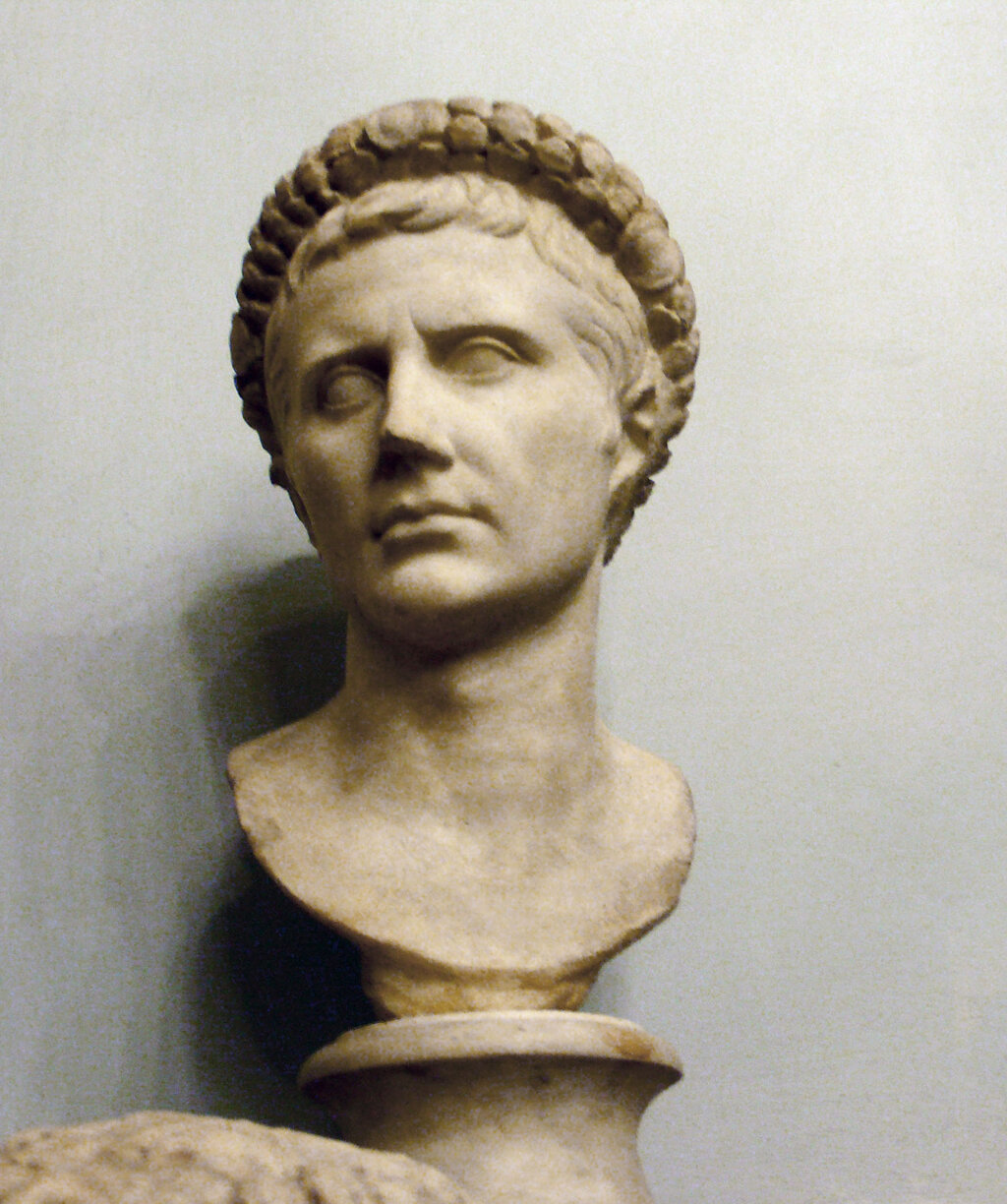
Conversely, vitium serves as the necessary structural counterpart for the 'Bad Emperor' archetype. For figures like Caligula, Nero, and Domitian, their personal vices—saevitia (cruelty), luxuria (extravagance), and superbia (arrogance)—are never just personal failings. They are political statements that signal a perversion of the principate into tyranny. Caligula's desire to have his horse appointed consul is the ultimate expression of superbia, a vice so extreme it dissolves the very logic of Roman political order. Suetonius uses these vices to catalogue the ways an emperor can fail, creating a taxonomy of tyranny.
This article explores Roman political theory on the legitimacy and use of emperors’ absolute power.
The Rubric of Rule
Suetonius structures his biographies per species, or by topic, rather than chronologically after the emperor's accession. This method allows him to group examples of virtus and vitium together, creating a clear, if sometimes jarring, dichotomy. An emperor's life is presented as a ledger of positive and negative qualities. This structure creates a powerful biographical teleology; the vices of a 'bad' emperor are often foreshadowed early in his life, suggesting an inescapable character flaw that will ultimately define his reign. This raises a key tension in the Lives: is the emperor's character a product of his choices (individual agency), or is he merely fulfilling a predetermined biographical arc?
This method effectively creates a non-systematic political philosophy. Suetonius never explicitly writes a treatise on good governance, but through the accumulation of biographical data points organized by this virtus/vitium binary, he offers something more practical: a field guide to emperors. His work serves as a manual for the senatorial and equestrian classes of the Hadrianic era, teaching them how to 'read' the character of a ruler and identify the warning signs of tyranny. The framework is not about abstract ideals but about the concrete performance of power. The focus is on humanitas and how it manifests in the public and private actions of the emperor.
Ready to test your understanding of these structural tropes?
According to the provided analysis, what is the primary function of the virtus/vitium (virtue/vice) framework in Suetonius's De vita Caesarum?
Which of the following would Suetonius most likely present as a 'vice' (vitium) signaling a turn towards tyranny?
Ultimately, Suetonius's biographical project uses character as its primary analytical lens, providing a sophisticated, if not entirely consistent, framework for Roman political thought.