Succession Planning Essentials
Introduction to Succession Planning
What Happens Next?
Every organisation relies on its people. But what happens when a key person suddenly leaves? Whether it's a planned retirement or an unexpected departure, the exit of a leader, a top specialist, or a key team member can create a significant gap. Without a plan, this can lead to uncertainty, disruption, and a scramble to find a replacement.
This is where succession planning comes in. It’s the process of preparing for the inevitable – the transition of roles within a company. It's less about reacting to a crisis and more about building a resilient organisation that can handle change smoothly.
Succession Planning
noun
A strategic process for identifying and developing new leaders and key employees to replace those who leave, retire, or are promoted.
The core purpose is to ensure business continuity. Think of it as a relay race. A good plan ensures the baton is passed seamlessly from one runner to the next, without losing momentum. It provides a clear roadmap for leadership development and transition, ensuring that the organisation is never caught unprepared.
Succession is a strategic process to preserve value, ensure business continuity, and align ownership goals with operational realities.
The Power of Proactive Planning
Waiting for a key role to become vacant before thinking about a replacement is a risky strategy. A proactive approach to succession planning offers stability and significant advantages. When employees see clear pathways for advancement, they are more motivated and engaged. It fosters a culture where talent is nurtured from within, reducing the costs and risks associated with external hiring.
This internal development also ensures that vital institutional knowledge isn't lost when someone walks out the door. The successor, having been groomed within the company, already understands the culture, the processes, and the people. This makes the transition far smoother for the entire team and for your clients or customers.
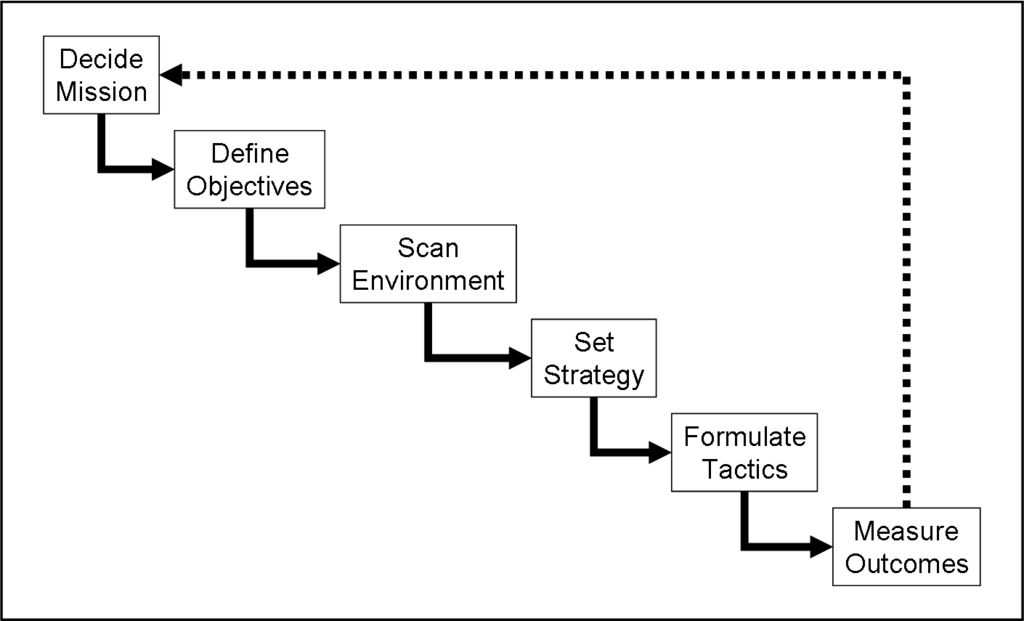
Ultimately, a well-managed plan sends a powerful message to everyone involved, from employees to investors, that the organisation is stable, forward-thinking, and prepared for the future. It minimises the disruption that change can bring and turns a potential crisis into an opportunity for growth.
Common Stumbling Blocks
Despite its benefits, many organisations struggle with succession planning. Several common misconceptions get in the way.
| Misconception | Reality |
|---|---|
| "It's only for the CEO." | Succession planning is crucial for any role whose vacancy would disrupt operations, from technical experts to department heads. |
| "It's a one-time task." | It should be an ongoing, dynamic process that adapts to changes in the business and its people. |
| "We'll just hire externally." | Relying solely on external hires can be costly, time-consuming, and risky. It can also damage morale among existing staff. |
| "It creates unhealthy competition." | When managed transparently, it creates healthy ambition and clarifies career development paths for everyone. |
Another major challenge is simply starting the conversation. It can feel uncomfortable to plan for someone's departure, especially when they are still in the role. Some leaders may also be reluctant to identify and train a potential replacement, fearing it makes them redundant. Overcoming these hurdles requires open communication and a clear commitment from senior leadership to make succession planning a core part of the company's strategy.
Ready to test your understanding of these core concepts?
What is the primary goal of succession planning?
Waiting to find a replacement until a key role is vacant is a reactive strategy.
By understanding its purpose and navigating its challenges, any organisation can build a stronger, more resilient future.