Substation Safety Mastery
Introduction to Substation Safety
The Heart of the Grid
Electrical substations are like the heart of the power grid, pumping electricity from power plants to our homes and businesses. They take high-voltage electricity from transmission lines and “step it down” to lower, more usable voltages. Without them, our modern world wouldn't function.
But this vital job comes with serious risks. Substations are filled with equipment handling immense amounts of electrical energy. The voltages inside can be hundreds of times higher than what comes out of a wall socket. This isn't a place for guesswork; it's an environment where safety is the absolute first priority.
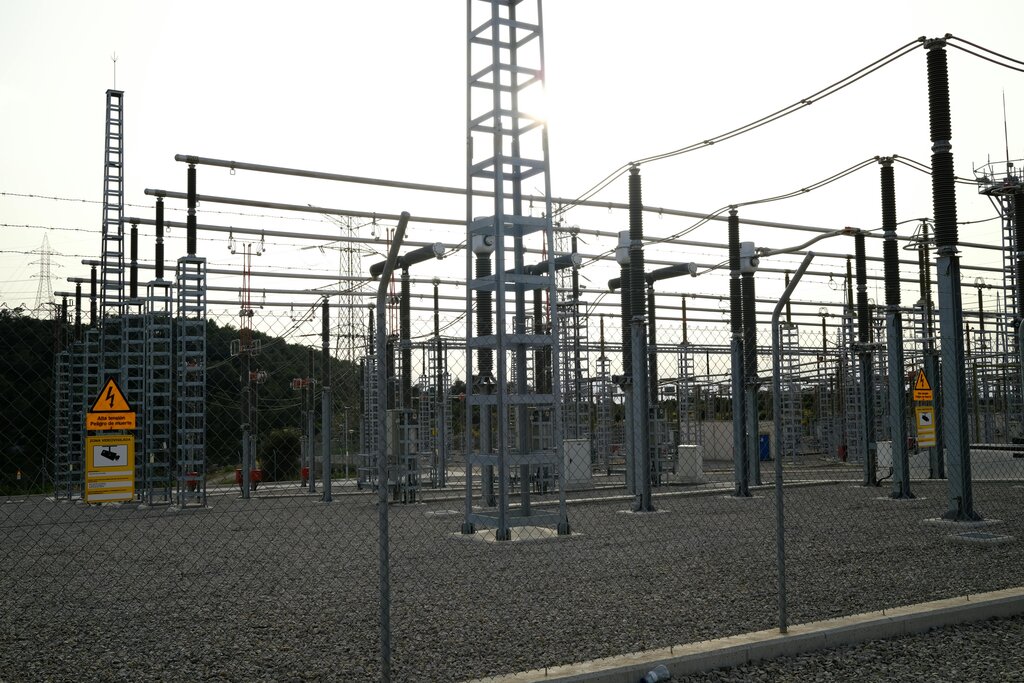
Recognizing the Risks
The dangers in a substation are unique and unforgiving. The primary threat is, of course, electricity itself. The massive voltages and currents present can cause severe injury or death in an instant. The main electrical hazards fall into a few key categories.
First is electric shock, which happens when current passes through the body. This can cause everything from minor burns to cardiac arrest. A related, and more severe, risk is electrocution, which is death caused by electric shock.
Another violent and dangerous event is an arc flash. This is essentially an electrical explosion that happens when a current leaves its intended path and travels through the air. An arc flash can produce intense heat, a blinding flash of light, and a powerful pressure wave, causing severe burns and other injuries even from a distance.
Finally, the high-energy equipment can sometimes fail, leading to fires and explosions. The oil used to cool large transformers, for example, can be flammable.
The biggest danger in a substation is what you can't see. High voltage is silent and invisible until it's too late.
A Culture of Safety
Because the risks are so high, a strict culture of safety is non-negotiable. This isn't just about memorizing rules; it’s about building a deep awareness of the environment and the potential for danger. This starts with comprehensive training.
Effective safety training teaches workers how to identify hazards, understand the equipment they're working with, and follow established procedures to the letter. It turns theoretical knowledge into practical, life-saving habits. It’s about knowing what to do, what not to do, and why it matters.
This training is built on a foundation of safety standards and regulations. Organizations like the Occupational Safety and Health Administration (OSHA) in the United States set forth strict rules for working in and around high-voltage environments. These standards provide a framework for creating safe work practices, ensuring that everyone is following a proven system for minimizing risk.
Understanding the basics of electrical safety is key to preventing hazards.
Let's check your understanding of these fundamental safety concepts.
What is the primary function of an electrical substation?
Which of the following describes a dangerous event where an electric current leaves its intended path and travels through the air, creating an explosion?
Understanding these hazards is the first step. In substations, there are no second chances, so a deep respect for the power you're around is essential.