Subleasing Property for Battery Storage in MA
Introduction to Battery Storage Facilities
The Grid's Giant Battery
Our electric grid is a massive, complex machine, constantly balancing the amount of electricity generated with the amount being used. For decades, this balancing act was relatively straightforward. Power plants, running on coal, natural gas, or nuclear energy, could ramp their output up or down to meet demand. But the rise of renewable energy sources like wind and solar has introduced a new challenge: intermittency. The sun doesn't always shine, and the wind doesn't always blow.
How do you store massive amounts of clean energy for when it's needed most? The answer is a Battery Energy Storage System, or BESS.
Think of a BESS as a giant, rechargeable battery for the power grid. These facilities, often housed in large containers, absorb excess electricity when generation is high and supply is cheap (like on a sunny, windy afternoon). They then feed that stored energy back into the grid when demand peaks and renewable sources are offline (like during a calm, dark evening). This simple act of storing and releasing power is revolutionizing how we manage electricity.

A typical BESS installation has a few core components working together. It starts with the batteries themselves, usually large stacks of lithium-ion cells similar to those in electric vehicles, but on a much larger scale. A Battery Management System (BMS) acts as the brain, monitoring the health, temperature, and charge of each battery cell. Finally, a Power Conversion System (PCS) is the gatekeeper. It converts the incoming alternating current (AC) from the grid into direct current (DC) to charge the batteries, and then reverses the process to discharge DC power back into the AC grid.
Benefits for a Modern Grid
The primary benefit of BESS is grid stability. By smoothing out the fluctuating output from renewables, these systems make wind and solar power more reliable and predictable. This reduces our dependence on fossil fuel
Energy storage is important for balancing renewable energy supply and demand.
This balancing act also improves the overall resilience of the power grid. During heatwaves, for example, when air conditioner use spikes, BESS can dispatch power instantly to prevent blackouts or brownouts. They provide an essential buffer that helps operators manage unforeseen events and maintain a steady flow of electricity to homes and businesses.
Beyond stability, BESS can also make energy more affordable. By storing electricity when it’s cheap and plentiful and selling it back during peak demand, they help lower overall energy costs for consumers. This practice, known as energy arbitrage, is a key financial driver for BESS projects.
The Massachusetts Push
Massachusetts is at the forefront of the energy storage revolution. With ambitious clean energy goals, the state has recognized that building more solar panels and wind turbines is only half the battle. Storing that energy is crucial for achieving a carbon-free grid.
As a result, demand for land suitable for BESS projects is growing rapidly. These facilities don't require prime real estate; they can often be sited on underutilized industrial land, near existing substations, or even co-located with large solar farms. This presents a significant opportunity for property owners across the Commonwealth. Subleasing a portion of land to an energy storage operator can create a new, stable revenue stream while supporting the transition to a cleaner energy future.
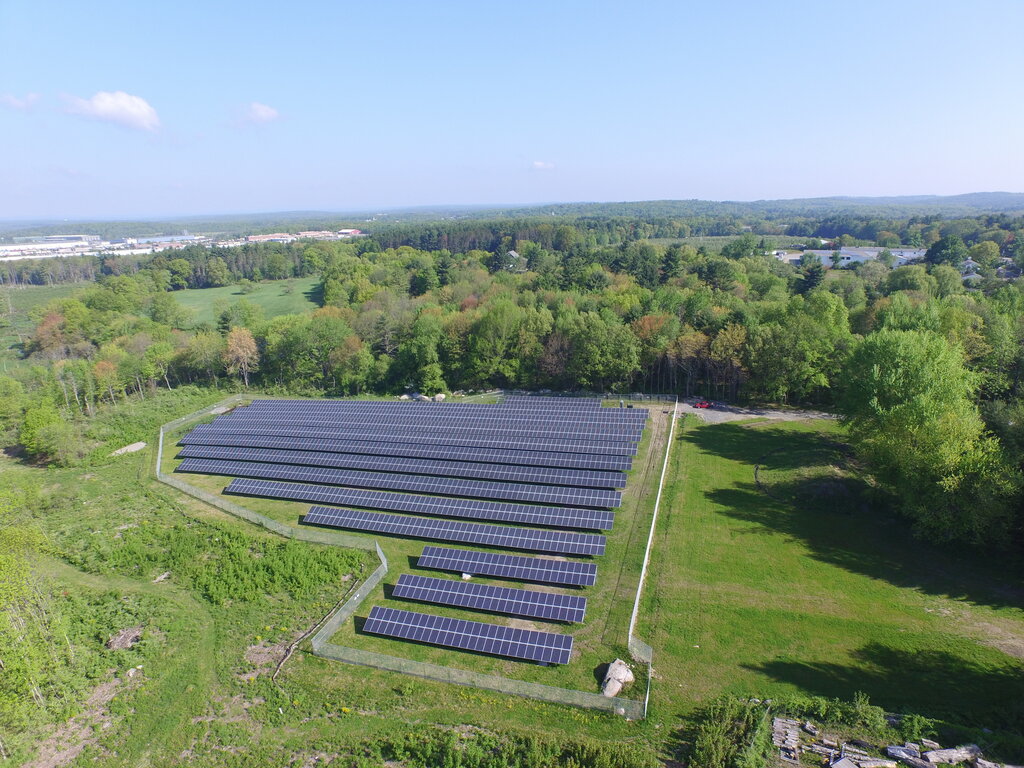
The state's policies actively encourage the development of these facilities, making Massachusetts an attractive market for energy storage companies. As the grid continues to modernize, the need for these giant batteries will only increase, turning unused parcels of land into critical components of our 21st-century energy infrastructure.
Now that you understand the basics of battery energy storage, let's test your knowledge.
What is the primary role of a Battery Energy Storage System (BESS) in the modern electric grid?
Which component of a BESS is responsible for converting alternating current (AC) from the grid to direct current (DC) for charging the batteries?