Student Budgeting for College Success
Understanding College Expenses
More Than Just Tuition
When you look at a college's website, the first number you usually see is tuition. But that's just the starting point. The total cost of attending college, often called the Cost of Attendance (COA), includes everything you'll need to pay for during the school year. Think of it as the 'all-in' price.
This total cost is made up of several different pieces. Some are big, obvious expenses, while others are smaller and easier to overlook. Let's break them down so you know what to expect.
The Core Costs
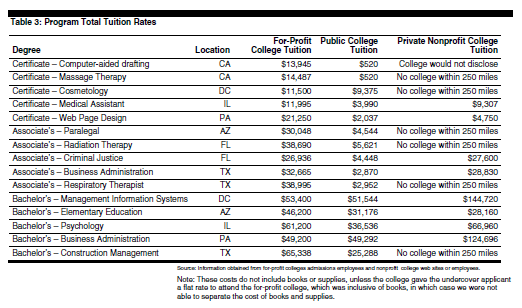
Tuition is the price you pay for your classes. It's the core of your educational expense. This cost can vary widely depending on the type of school. Public universities typically charge less for in-state students than for out-of-state students. Private colleges, on the other hand, usually have one tuition rate for everyone, which is often higher than public options.
On top of tuition, you'll also pay fees. These are mandatory charges that cover services and facilities available to all students, even if you don't use them. Common fees include a student activity fee for clubs and events, a technology fee for campus Wi-Fi and computer labs, and a health services fee for access to the on-campus clinic.
Everyday Expenses
After tuition and fees, the next biggest expenses are housing and food. If you live on campus in a dormitory, you'll pay a set rate for your room for the semester or year. This cost usually includes utilities like water and electricity, which makes it predictable.
Most students living in dorms are also required to purchase a meal plan. These plans provide access to the campus dining halls and come in different tiers. You might choose a plan with a set number of meals per week or one that offers unlimited access. Like housing, the cost of a meal plan is usually a fixed amount.

Next up are textbooks and supplies. The cost of books can be a surprise, sometimes running several hundred dollars per semester. This expense depends heavily on your major. An English major might spend a lot on novels, while an engineering student might need expensive textbooks and specialized software. You'll also need basic supplies like notebooks, pens, and maybe a new laptop.
Finally, there are personal and transportation expenses. This category covers everything else: getting to and from campus, your cell phone bill, clothes, laundry, toiletries, and any money you spend on entertainment like going to the movies or out with friends. These costs are highly individual and can change from month to month.
Fixed vs. Variable Costs
A good way to understand these different expenses is to sort them into two categories: fixed and variable.
Fixed Cost
noun
An expense that stays the same over a set period of time. These costs are predictable and don't change based on your day-to-day choices.
Fixed costs are the big, predictable bills. You know how much they'll be and when they're due. Think tuition, fees, and on-campus housing and meal plans.
Variable Cost
noun
An expense that can change from month to month. These costs are influenced by your habits and lifestyle choices.
Variable costs are the expenses that you have more control over. This includes what you spend on textbooks (you might buy used or rent), transportation, groceries if you live off-campus, and personal items. Some of these are essential, like toiletries, while others are discretionary, like concert tickets.
| Category | Fixed Costs | Variable Costs |
|---|---|---|
| Education | Tuition, Fees | Textbooks, Supplies |
| Living | On-Campus Housing, Meal Plan | Groceries, Off-Campus Utilities |
| Personal | Cell Phone Bill (if on a plan) | Clothing, Entertainment, Toiletries |
| Transportation | Car Payment, Insurance | Gas, Public Transit Fares, Ride-shares |
Understanding the difference between these types of costs is the first step toward building a realistic financial plan for your time in college. When you know what you must pay versus where you have flexibility, you can make smarter decisions about your money.