Student Budgeting Essentials
Understanding Income and Expenses
Where Your Money Comes From
Before you can create a budget or a savings plan, you need a clear picture of your finances. That starts with a simple question: How much money do you have coming in? This is your income. It’s the total amount of money you receive over a certain period, like a month or a semester.
First, determine your sources of income, such as parents’ contributions, wages from a job, and money from scholarships or financial aid.
For students, income can come from several places. Let's break down the most common ones.
Earned Income: This is money you get from working. It could be from a part-time job, a paid internship, or a work-study position on campus. This income is often predictable if you work regular hours.
Financial Aid: This is money specifically for your education. It's important to know what kind you're receiving.
- Scholarships and Grants: This is gift aid, meaning you don’t have to pay it back. It’s the best kind of financial aid to get.
- Student Loans: This is money you borrow and must repay later, with interest. While it's a source of funds now, it's also a future expense.
Family and Savings: Many students get help from their families or use money from their own savings accounts to cover costs. Think of this as part of your income stream for the school year.
| Income Source | Amount Per Month |
|---|---|
| Part-Time Job | $... |
| Scholarship A (per semester) | $... |
| Student Loan (per semester) | $... |
| Family Contribution | $... |
| Total Monthly Income | $... |
Use a simple table like the one above to list all your income sources. If you get a lump sum for a semester, like with some loans or scholarships, divide it by the number of months in the semester to get a monthly figure. This gives you a baseline for what you can afford to spend.
And Where It All Goes
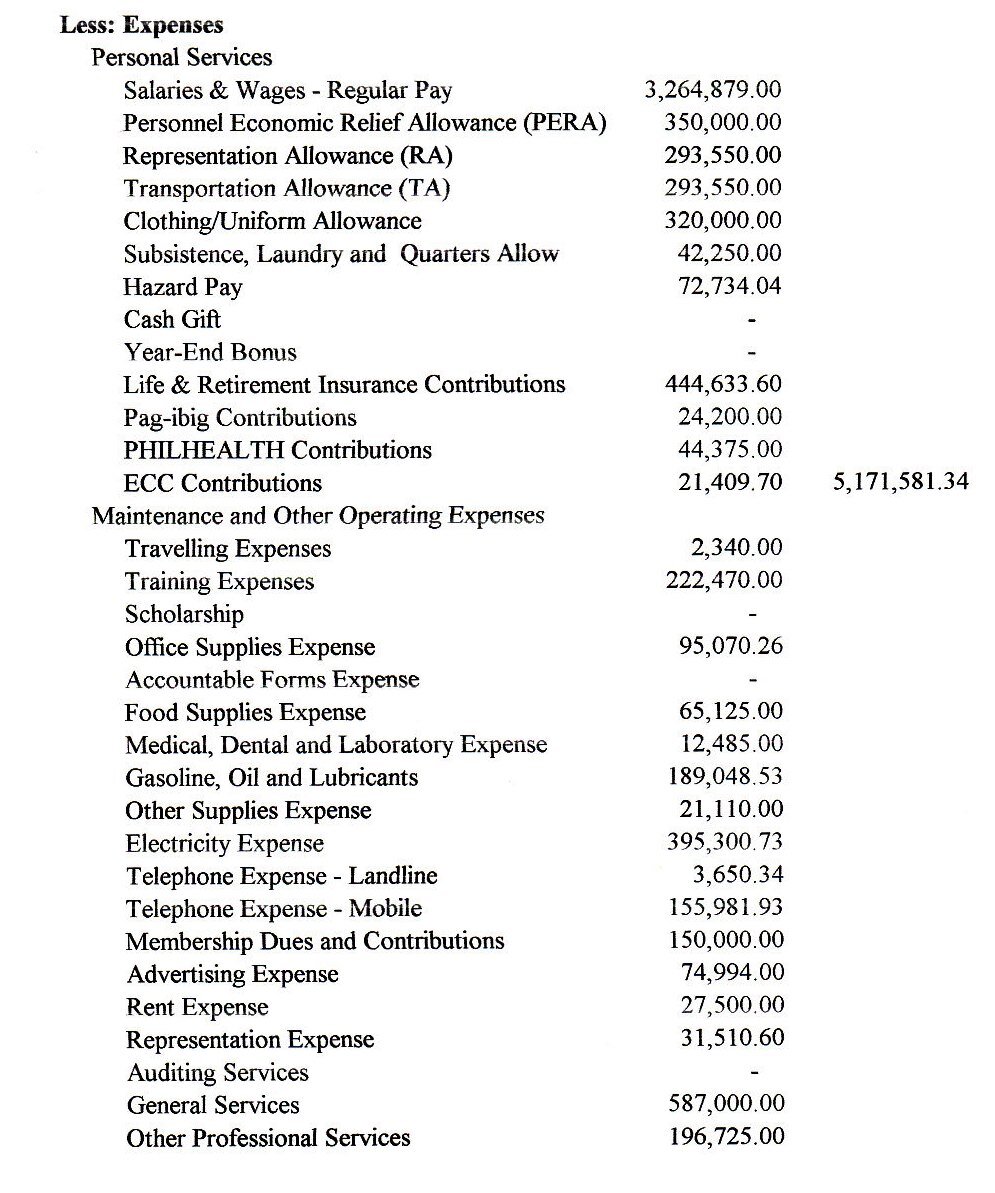
Once you know what's coming in, the next step is to track what's going out. These are your expenses. It’s easy to lose track of spending, but writing it all down reveals exactly where your money is going. We can group expenses into two main types: fixed and variable.
Fixed expenses are consistent and predictable costs you pay regularly. Variable expenses change from month to month based on your choices and needs.
Think of fixed expenses as your financial bedrock. They are predictable costs that are hard to change in the short term. The biggest ones are usually related to your education and housing.
- Tuition and Fees: The primary cost of your education. You’ll typically pay this at the start of each semester or quarter.
- Housing: This is your rent or dorm payment. It’s usually the same amount each month.
- Utilities: Some bills like internet or a cell phone plan are often a fixed monthly cost.
- Subscriptions: Streaming services, gym memberships, or software subscriptions fall into this category.
Variable expenses are where your daily choices have the biggest impact. These costs can fluctuate a lot.
- Food: This includes groceries and any money spent on dining out, coffee, or snacks.
- Transportation: Gas, public transit passes, or rideshare services. The cost can change depending on how much you travel.
- Textbooks and Supplies: These costs are high at the beginning of a semester but can pop up at other times too.
- Discretionary Spending: This is everything else. It includes entertainment like movies, concerts, shopping for clothes, hobbies, and social outings. This is often the easiest category to adjust if you need to spend less.
Putting It All Together
Now you have two lists: one for all your income and one for all your expenses. The final step is to put them side-by-side to get a snapshot of your financial health. This isn’t about creating a strict budget yet, it's about gaining awareness.
Simply subtract your total monthly expenses from your total monthly income.
If your net income is a positive number, you have more money coming in than going out. That's a great position to be in. If it’s a negative number, you're spending more than you're receiving, which isn't sustainable. This might mean you need to look closer at your variable expenses or explore ways to increase your income.
Understanding this simple calculation is the foundation of managing your money. It tells you where you stand right now, so you can make informed decisions moving forward.