Structuring Effective Lessons
Understanding Lesson Structure
The Blueprint of a Lesson
Think of a great lesson plan as a roadmap. It guides both you and your students from a starting point to a clear destination. Without a solid structure, a lesson can feel like a confusing, aimless drive. With one, the journey is smooth, logical, and purposeful.
A well-structured lesson provides a predictable framework. Students know what to expect, which helps them focus on the material instead of trying to figure out what’s happening next. This clarity is the foundation for effective learning.
Have a clear lesson structure that is predictable, with routines you follow in the same manner each week.
This structure isn't about rigid, boring repetition. It’s about creating a coherent flow that makes complex information digestible. Every part of the lesson builds on the last, creating a strong chain of understanding.
The Three Core Parts
At its heart, nearly every effective lesson is built from three fundamental components: an introduction, the delivery of content, and an assessment. While they can take many forms, these three stages provide a complete learning cycle.
Let's look at each of these building blocks.
Introduction: The Hook
The beginning of your lesson sets the stage for everything that follows. The introduction has two primary jobs. First, it needs to grab the students' attention and answer their unspoken question: “Why is this important to me?” This is often called the 'hook'.
Second, the introduction clarifies the destination. It should state the learning objectives for the lesson—what students will know or be able to do by the end. This gives them a clear goal to work toward.
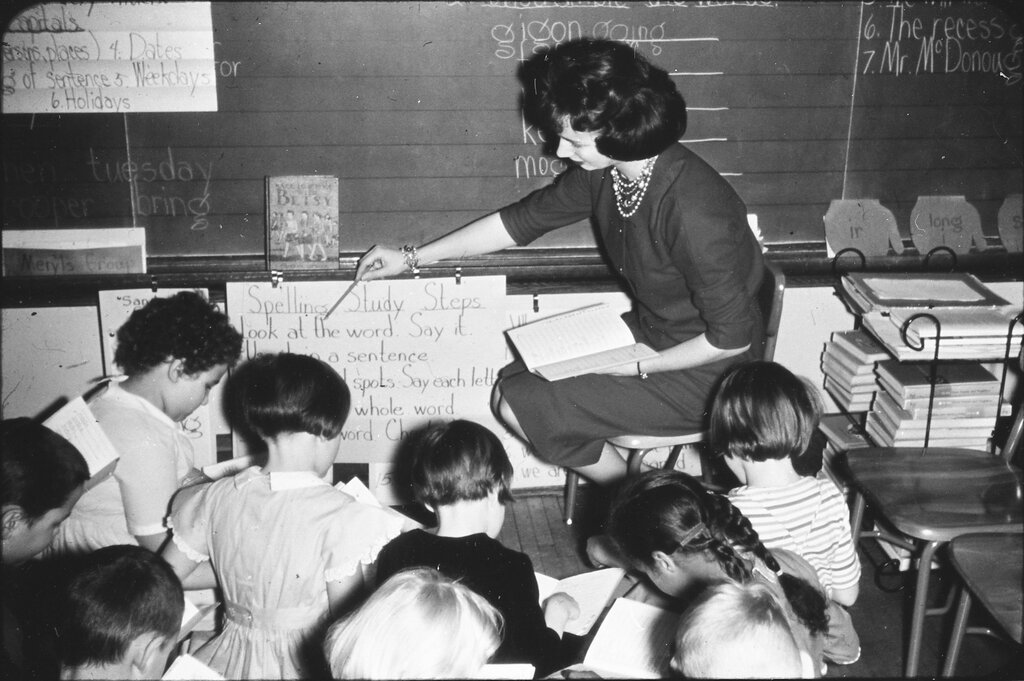
Content Delivery: The Core
This is the main part of the lesson where new information, concepts, and skills are presented. The key here is to present the content in a way that is clear, organized, and easy to follow. It’s the 'what' and 'how' of the lesson.
Whether it's a lecture, a hands-on activity, or a group discussion, the content delivery phase is where learning happens. It should be logically sequenced, breaking down complex topics into smaller, more manageable pieces.
During content delivery, you're not just transferring facts. You're building understanding, step by step.
Assessment: The Check-In
How do you know if the lesson was successful? That’s where assessment comes in. This final stage is all about checking for understanding. It's not necessarily a formal test or quiz; it can be as simple as asking targeted questions or having students summarize the key idea in their own words.
Assessment serves two purposes. It tells you whether students met the learning objectives you set out in the introduction. It also provides valuable feedback for you as an educator, highlighting what worked well and what might need to be adjusted next time.
According to the lesson plan analogy, what does a well-structured lesson provide for students and the teacher?
What are the two primary jobs of a lesson's introduction?
These three parts—introduction, content delivery, and assessment—form a flexible yet powerful framework for designing lessons that truly work.