Structural Analysis Fundamentals
Introduction to Structural Analysis
Why Things Don't Fall Down
Have you ever wondered how a massive skyscraper stays upright in the wind, or how a bridge can carry thousands of cars every day without collapsing? The answer lies in structural analysis. It's the process engineers use to understand how structures behave when forces are applied to them.
Structural analysis is the science of predicting how a structure will respond to loads. The goal is to ensure it is safe, stable, and will perform its function throughout its intended life.
By analyzing a structure, we can calculate the internal forces, stresses, and deformations that occur within its components. This allows us to design buildings, bridges, and other structures that are strong enough to resist all the forces they'll encounter, from their own weight to the effects of wind and snow.
The Basic Building Blocks
Most complex structures are made from a few basic types of structural elements. Understanding these is the first step in analysis.
Beams are simple, straight members that primarily resist loads applied sideways to their axis. Think of a wooden plank bridging a small creek or the steel I-beams that support the floor of a building.
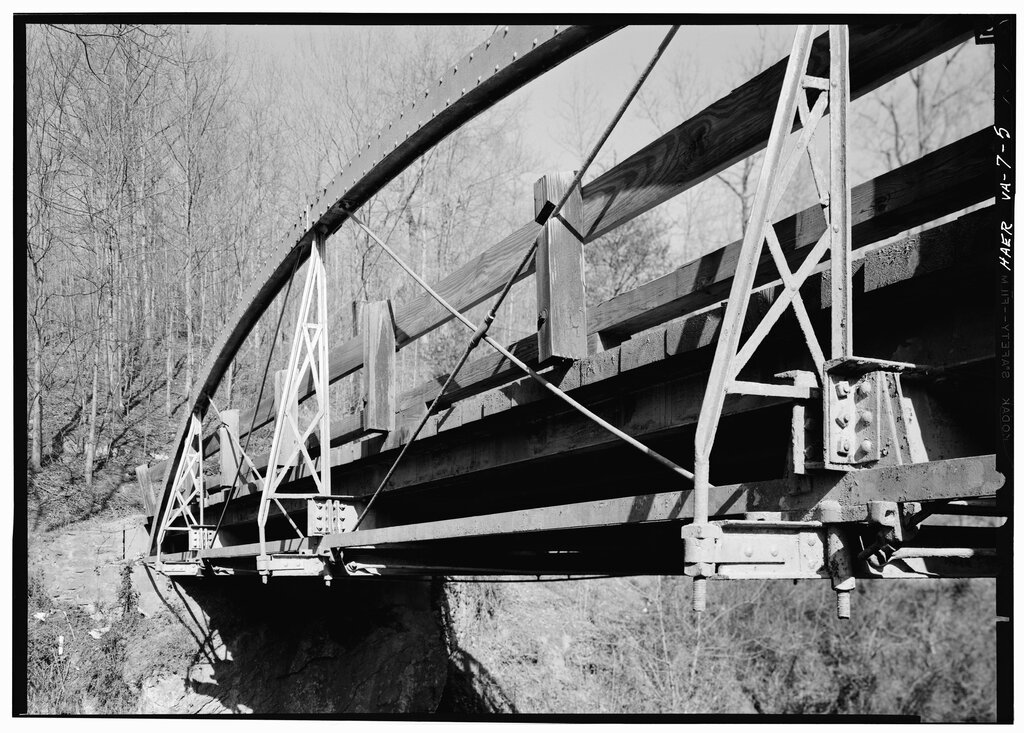
Trusses are structures composed of straight members connected at their ends to form a series of triangles. This shape is incredibly strong and rigid, which is why you see it so often in bridges and roof supports. The members of a truss are primarily under either tension (being pulled apart) or compression (being pushed together).
Frames are assemblies of beams and columns that are rigidly connected. The joints in a frame can resist bending, which makes the entire structure very stiff. The skeleton of a modern office building is a good example of a frame structure.
The Forces at Play
Engineers classify the forces acting on a structure, called loads, into a few main categories. The ability of a structure to resist these loads is what keeps it standing.
Load
noun
An external force or combination of forces applied to a structure.
Dead Loads: These are permanent forces that don't change over time. The primary dead load is the structure's own weight, or self-weight. This includes the weight of the beams, columns, floors, roof, and any permanent fixtures like walls or heating systems.
Live Loads: These are temporary or moving loads. They include things like people walking around in a building, furniture, vehicles on a bridge, or stored materials in a warehouse. Live loads are variable and not always present.
Environmental Loads: These are forces caused by nature. They include the force of the wind against the side of a building, the weight of snow accumulating on a roof, pressure from surrounding soil or water, and the ground shaking from an earthquake.
The Concept of Equilibrium
For a structure to be stable, it must be in a state of equilibrium. This is the most fundamental concept in structural analysis. It means that all the forces acting on the structure are balanced, resulting in no net force and no net rotation.
In simple terms, for every push, there is an equal and opposite push back. For every twist, there's an equal and opposite twist back. Everything cancels out.
To be in equilibrium, a structure must satisfy two conditions:
- The sum of all forces is zero. This means all the upward forces must exactly balance all the downward forces, and all the leftward forces must balance all the rightward forces. If they didn't, the structure would accelerate in some direction.
- The sum of all moments is zero. A moment is a turning force. This condition means that all the clockwise turning forces about any point must exactly balance all the counter-clockwise turning forces. If they didn't, the structure would rotate.
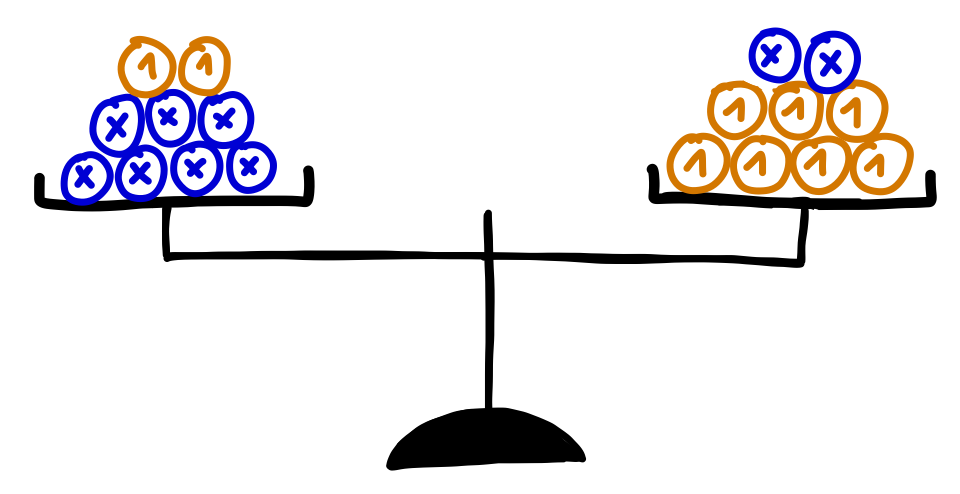
Engineers use these principles of equilibrium to calculate the unknown forces in a structure. By ensuring a structure is in equilibrium under all expected loads, they can confirm its stability and safety.
What is the primary purpose of structural analysis?
The weight of a building's own permanent components, such as its columns, beams, and foundation, is known as a:
These core ideas—identifying structural types, understanding loads, and applying the principle of equilibrium—form the foundation of all structural analysis.