Strip Mall Exterior Investment Analysis
Introduction to Strip Malls
What Is a Strip Mall?
A strip mall is an open-air shopping center where stores are arranged in a row, with a sidewalk in front and a large parking lot directly in front of the storefronts. The name comes from its typical shape: a long strip of retail space.
Unlike an enclosed shopping mall, you can park your car and walk directly into the store you want to visit. This design emphasizes convenience and quick access. Most strip malls are single-story buildings, making them straightforward and relatively inexpensive to build and maintain.
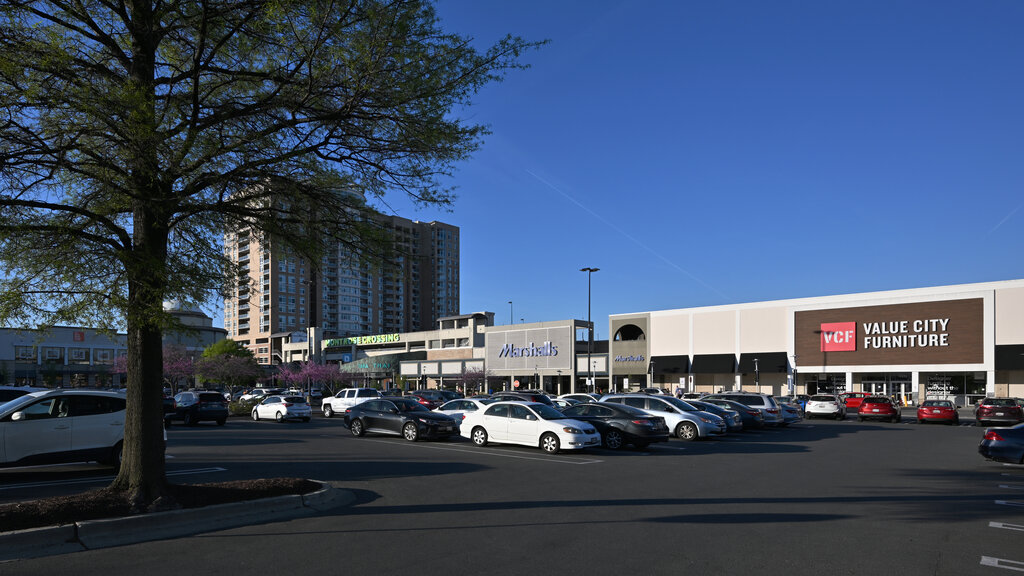
Their structure is simple and functional. The focus isn't on creating a destination for a day of browsing, but on serving the daily needs of the surrounding community. You drive in, park easily, run your errand, and drive out. This grab-and-go model has made the strip mall a fixture in suburban landscapes across the country.
The Tenant Mix
Strip malls are all about necessity and convenience. The businesses you find in them, known as tenants, reflect this. They typically offer services and goods that people need on a regular basis. Think about the last time you went to a dry cleaner, a nail salon, or a local pizza place. Chances are, it was in a strip mall.
These centers often host a mix of national chains and small, local businesses. You might find a big-brand pharmacy next to a family-owned dentist's office or a nationwide coffee chain sharing a wall with an independent tailor.
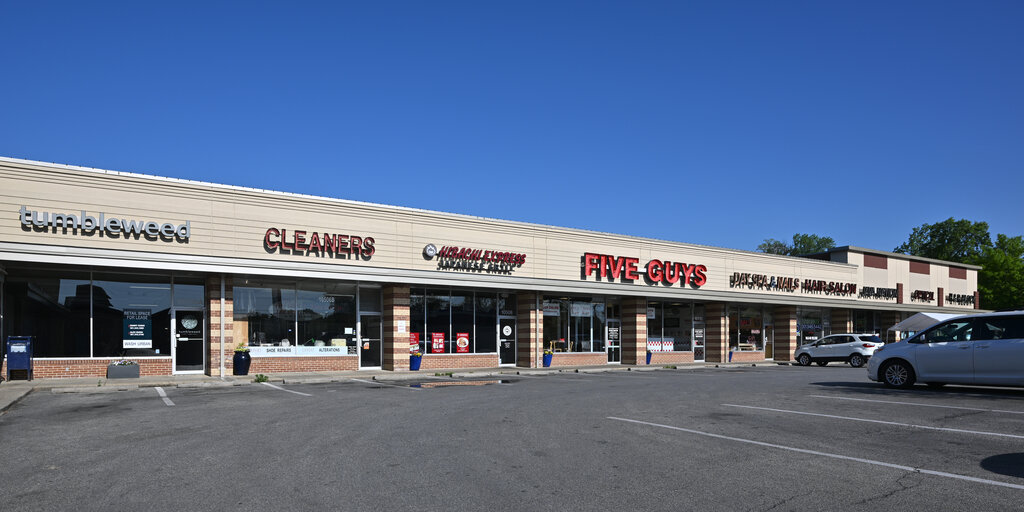
The ideal strip mall tenant offers something that can't easily be bought online, like a haircut, a prepared meal, or a medical check-up.
This focus on services makes strip malls resilient. While online shopping has challenged many traditional retailers, you still can't get your teeth cleaned or a suit altered over the internet. This ensures a steady stream of visitors who need to be there in person.
Malls vs Main Street
To understand strip malls better, it helps to compare them to other retail formats. The two most common alternatives are the traditional enclosed shopping mall and the classic downtown "Main Street".
| Feature | Strip Mall | Enclosed Mall | Main Street |
|---|---|---|---|
| Layout | Open-air, stores in a line | Enclosed, multi-level | Open-air, stores along a street |
| Parking | Large, directly in front | Large garages or lots | Street parking, public lots |
| Experience | Quick errands, convenience | Destination, leisure | Community, walkable |
| Tenants | Services, daily needs | Fashion, department stores | Boutiques, local shops |
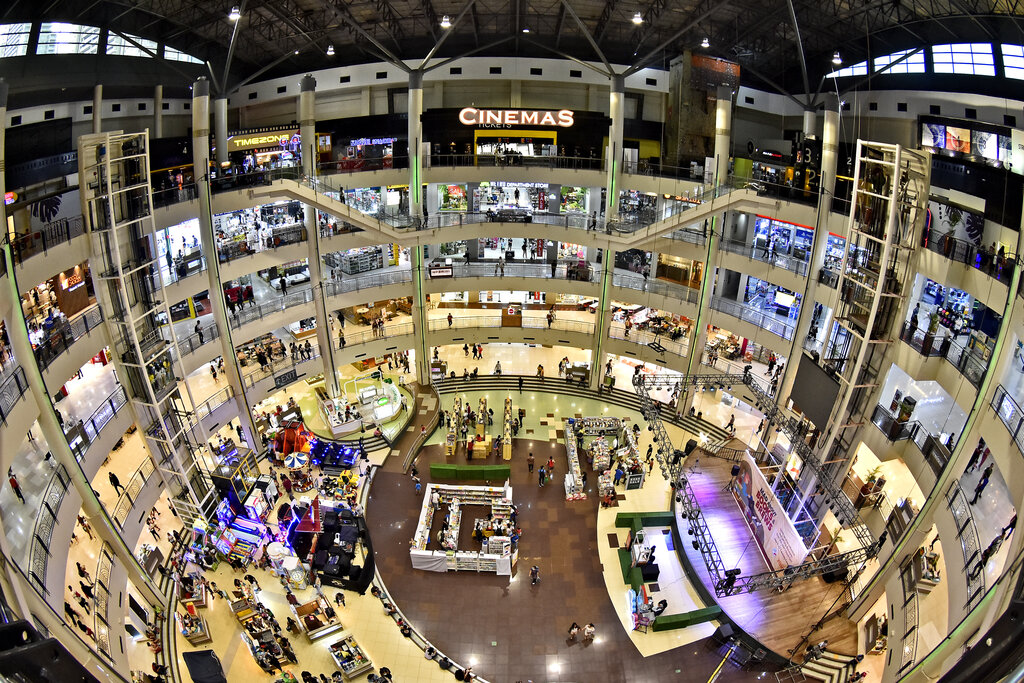
Enclosed malls are destinations. They offer a climate-controlled environment perfect for hours of browsing, entertainment, and dining. They draw shoppers from a wider geographic area and are anchored by large department stores.
Main Street shopping districts offer a more unique, community-focused experience. They often feature historic buildings, independent boutiques, and local restaurants, creating a charming atmosphere for a leisurely stroll. Parking, however, can often be a challenge.
Strip malls occupy a middle ground. They combine the easy parking of an enclosed mall with the open-air access of a main street, but are laser-focused on efficiency for everyday tasks.
A Brief History
The strip mall is a product of the 20th century, growing alongside two major American developments: the suburb and the automobile. As families moved out of dense cities, they needed convenient places to shop that didn't require a trip downtown. The car made this possible.
Early predecessors appeared in the 1920s, with centers like the "Park and Shop" in Cleveland, Ohio, which was specifically designed so shoppers could park directly in front of the stores. This was a revolutionary concept at the time.
The format truly exploded after World War II. The postwar economic boom, the baby boom, and the construction of the interstate highway system all fueled suburban growth. The simple, car-friendly strip mall was the perfect retail model for this new landscape.
Over the decades, the format has evolved. While the classic L-shaped strip center is still common, many newer developments are now called "lifestyle centers." These modern versions often feature higher-end architecture, landscaping, outdoor seating, and a curated mix of upscale retail and dining, blending the convenience of a strip mall with the pleasant atmosphere of a Main Street.
What is the primary design emphasis of a traditional strip mall?
Which historical development was most crucial for the widespread growth of strip malls after World War II?
That covers the basics of what strip malls are and their place in the retail world. You can now define their key characteristics and understand how they differ from other shopping formats.