Stress Management Essentials
Understanding Stress
What is Stress?
At its core, stress is the body's natural reaction to challenges or demands. Think of it as an internal alarm system. When you face a perceived threat, whether it's a looming deadline or a sudden emergency, your body kicks into gear to help you handle it. This response isn't inherently good or bad—it's a survival mechanism that's been with us for thousands of years.
Stress is a natural physiological and psychological reaction to demands or threats.
The thing that causes stress is called a stressor. This could be a one-time event, like giving a presentation, or something ongoing, like managing a difficult relationship. Your body doesn't really distinguish between different types of stressors; it just knows it's time to react.
The Body's Alarm System
When you encounter a stressor, a part of your brain called the hypothalamus springs into action. It triggers a cascade of signals through your nervous system and endocrine (hormone) system. This is often called the "fight-or-flight" response.
First, your sympathetic nervous system activates, telling your adrenal glands to release adrenaline. This is the hormone that gives you a sudden burst of energy. Your heart beats faster, your blood pressure rises, and your senses sharpen. It's preparing you to either confront the threat or run from it.
At the same time, the hypothalamus initiates a slower, more sustained response through the Hypothalamic-Pituitary-Adrenal (HPA) axis.
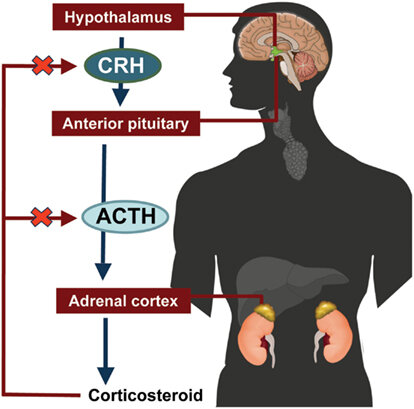
This network prompts your adrenal glands to release another key hormone: cortisol. Cortisol keeps you on high alert, flooding your body with glucose for a ready supply of energy. In the short term, this is incredibly helpful for navigating dangerous situations.
Often called the “stress hormone,” cortisol is a key part of the body’s natural stress management response, as it’s released in short bursts to give your body a boost of energy.
Common Causes of Stress
Stressors are everywhere in modern life. They can be obvious, major events or subtle, daily annoyances. Some common sources include:
- Work pressures: Heavy workloads, tight deadlines, and difficult colleagues are frequent triggers.
- Financial concerns: Worrying about bills, debt, or unexpected expenses can create persistent stress.
- Major life changes: Events like moving, starting a new job, getting married, or dealing with a loss can be significant stressors, even when they're positive.
- Personal relationships: Conflict with family, friends, or partners is a common source of emotional strain.

Even minor daily hassles, like traffic jams or a long line at the grocery store, can add up and contribute to your overall stress level.
When Stress Sticks Around
The body's stress response is designed for short-term crises. But when stressors are constant and you never get a chance to return to a relaxed state, you experience chronic stress. This is where problems begin.
With chronic stress, your alarm system stays on. The continuous flood of cortisol and other stress hormones can disrupt almost all of your body's processes. This puts you at increased risk for numerous health problems.
Chronic exposure to stress, from workplace pressures to personal challenges, can persistently elevate cortisol levels, disrupting the body's most basic functions and leading to long-term health consequences.
Some of the major health consequences include:
- Cardiovascular disease: Constant high blood pressure and an elevated heart rate can damage your arteries and increase your risk of heart attack and stroke.
- Weakened immune function: Long-term cortisol exposure can suppress your immune system, making you more vulnerable to infections and illnesses.
- Mental health disorders: Chronic stress is a major contributor to anxiety, depression, and other mood disorders.
- Digestive problems: Stress can interfere with your digestive system, leading to issues like irritable bowel syndrome (IBS) and acid reflux.
Understanding what stress is and how it affects your body is the crucial first step. Recognizing its signs and sources allows you to see how it might be impacting your own health and well-being.