Strength Training Fundamentals
Strength Training Basics
More Than Just Muscle
Strength training is about building a more capable and resilient body. Yes, it builds muscle, which is great for boosting your metabolism and making daily tasks easier. But the benefits go much deeper.
When you lift weights, you're not just challenging your muscles; you're also stimulating your bones. This prompts them to become denser and stronger, which is a powerful defense against osteoporosis later in life. It's a bit like upgrading the frame of a house to make it sturdier for the years to come.
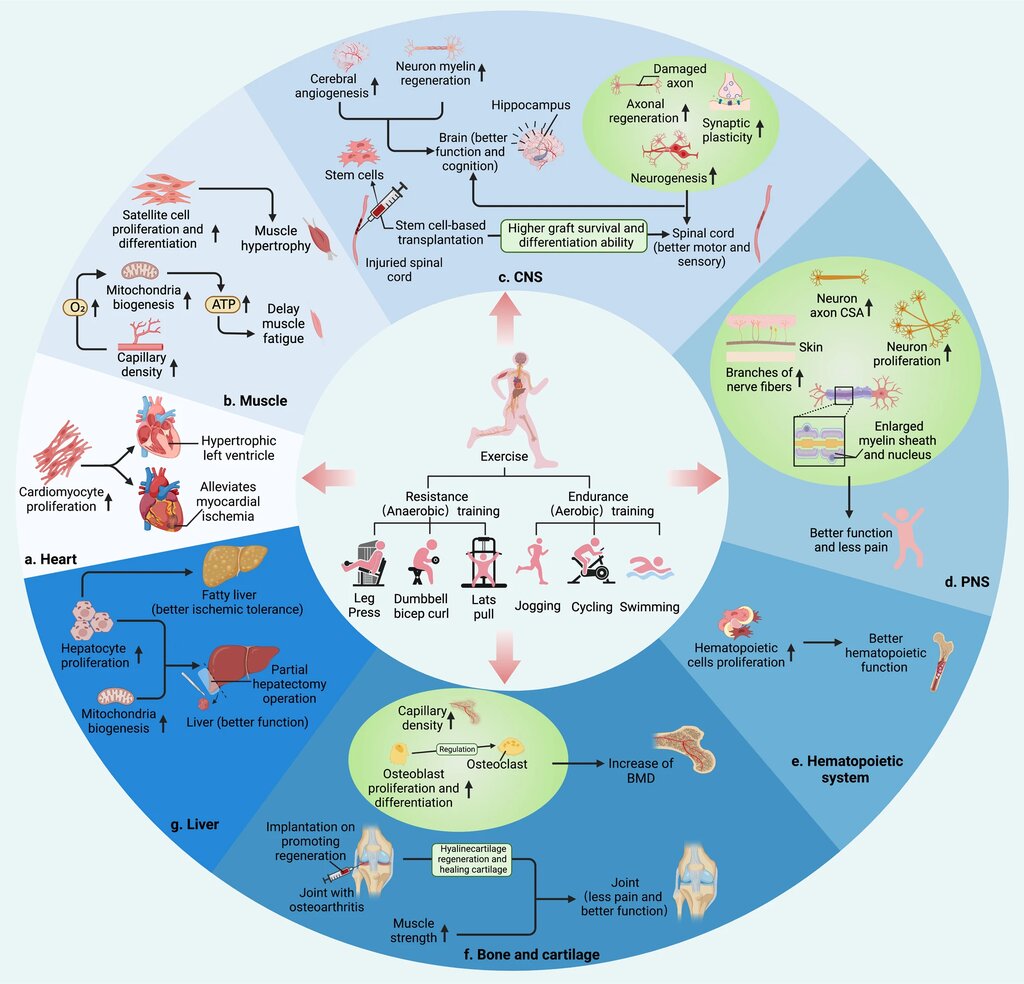
Every time you pick up a heavy grocery bag or lift a child, you're using functional strength. Training with weights improves your body's ability to handle these real-world demands safely and efficiently.
Strength training is the most effective way to build and maintain muscle mass, crucial for metabolism, strength, and function.
Form Over Everything
Before you even think about how much weight to lift, focus on your form. Proper technique is the bedrock of safe and effective strength training. Without it, you risk injury and fail to work the muscles you're actually trying to target.
Think of learning an exercise like learning to write a letter of the alphabet. You trace it over and over until the shape is perfect. Do the same with your exercises. Start with your bodyweight or very light weights to master the movement pattern. Your goal is to make the correct form feel automatic.
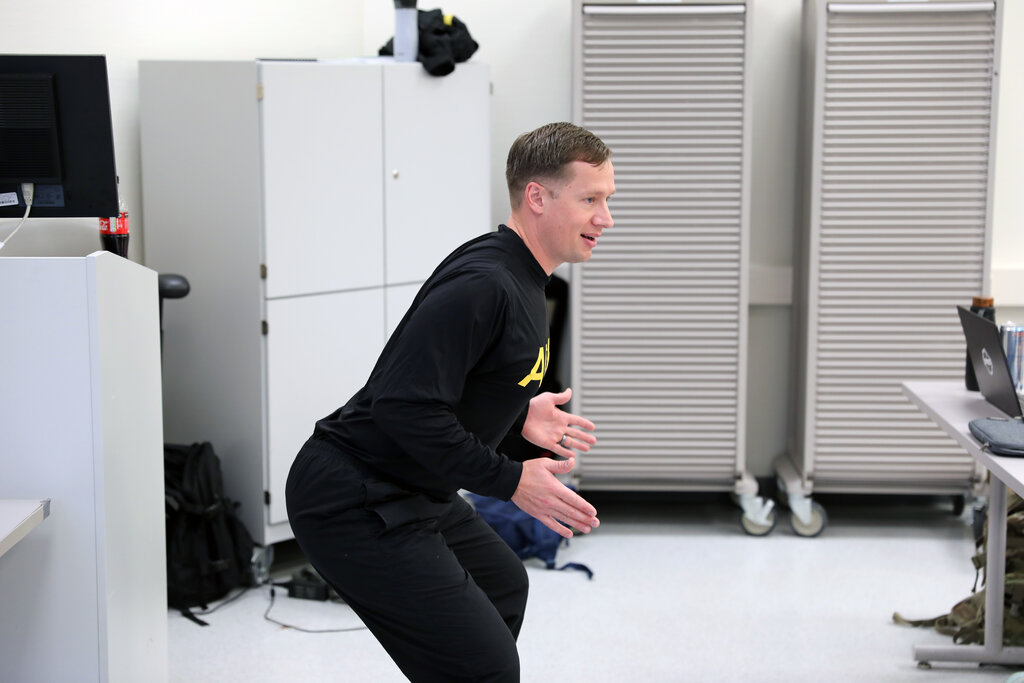
It’s better to lift a light weight with perfect form than a heavy weight with poor form. The results will be better, and you'll stay in the game longer.
The Bookends of a Workout
Never jump straight into your heaviest lifts. Your body needs to be prepared for the work ahead. A good warm-up gets your blood flowing, raises your muscle temperature, and primes your nervous system. This makes your muscles more pliable and ready to perform, reducing the risk of pulls and strains.
A warm-up doesn't have to be complicated. Five to ten minutes of light cardio like jogging or jumping jacks, followed by dynamic stretches like leg swings and arm circles, is a great start.
Your warm-up is the bridge from your daily life to your workout. Don't skip it.
After your last set, your work isn't quite done. A cool-down helps your body gradually transition back to a resting state. It can help improve flexibility and may reduce muscle soreness.
Spend a few minutes doing light cardio, like walking, to bring your heart rate down slowly. Follow this with static stretches, holding each stretch for 20 to 30 seconds. Focus on the muscle groups you just worked.
Breathe with the Movement
Your breathing pattern is a powerful tool during exercise. Holding your breath can spike your blood pressure and reduce stability. Instead, sync your breath with the movement.
The general rule is simple: exhale during the hardest part of the exercise and inhale during the easiest part.
| Exercise | Exhale (Hardest Part) | Inhale (Easiest Part) |
|---|---|---|
| Squat | As you stand up | As you lower down |
| Push-up | As you push up | As you lower down |
| Bicep Curl | As you lift the weight | As you lower the weight |
This rhythm helps stabilize your core and ensures your muscles get the oxygen they need to perform. It might feel unnatural at first, but with practice, it will become second nature.
Besides building muscle, what is a key benefit of strength training for your skeletal system?
When performing an exercise like a squat, the general rule for breathing is to exhale during the ___ part of the movement.
By focusing on these core principles, you'll build a strong, safe, and sustainable strength training practice.