Strength Training Fundamentals
Understanding Strength Training
More Than Just Muscle
Strength training is any physical activity designed to improve muscular fitness by exercising a muscle or a muscle group against external resistance. This resistance could be your own body weight, dumbbells, resistance bands, or specialized machines. It’s not just about building big muscles, though. A consistent strength training routine offers a host of benefits that go far beyond appearance.
Think of it as an investment in your body's structural integrity. Stronger muscles lead to stronger bones, as the stress of resistance exercise signals your body to increase bone density. This is crucial for preventing osteoporosis later in life.
Strength training also revs up your metabolism. Muscle tissue burns more calories at rest than fat tissue does. By increasing your muscle mass, you're essentially turning your body into a more efficient calorie-burning engine, even when you're just sitting on the couch.
The Rules of Getting Stronger
To build strength effectively, you need to follow a few key principles. These aren't complicated rules, but they are the foundation of any successful training program. The most important one is progressive overload.
Progressive Overload
noun
The principle of gradually increasing the stress placed upon the musculoskeletal and nervous system to continually make fitness gains.
Simply put, to get stronger, you must consistently challenge your muscles to do more than they're used to. Imagine you can comfortably lift a 10-pound dumbbell for 10 repetitions. If you only ever lift that same weight for the same number of reps, your body will adapt and have no reason to get stronger. You have to give it a new challenge. You can do this by:
- Increasing the weight: Try lifting a 12-pound dumbbell.
- Increasing the repetitions: Aim for 12 reps with the 10-pound dumbbell.
- Increasing the sets: Do another set of 10 reps.
- Decreasing rest time: Rest for 45 seconds between sets instead of 60.
Progressive overload is the foundation of lasting progress in strength, endurance, and fitness.
Next is the principle of specificity. This means your training should be specific to your goals. If you want to become a better runner, your training should focus on exercises that strengthen your running muscles and improve your cardiovascular endurance. If your goal is to be able to lift heavy furniture without hurting your back, you'll want to focus on compound lifts like deadlifts and squats that build full-body strength.
Finally, there's individualization. There is no one-size-fits-all fitness program. Your ideal routine depends on your unique goals, current fitness level, age, past injuries, and even your schedule. What works wonders for your friend might not be the best fit for you. Listening to your body and tailoring your plan to your own needs is key for long-term success.
Form First, Always
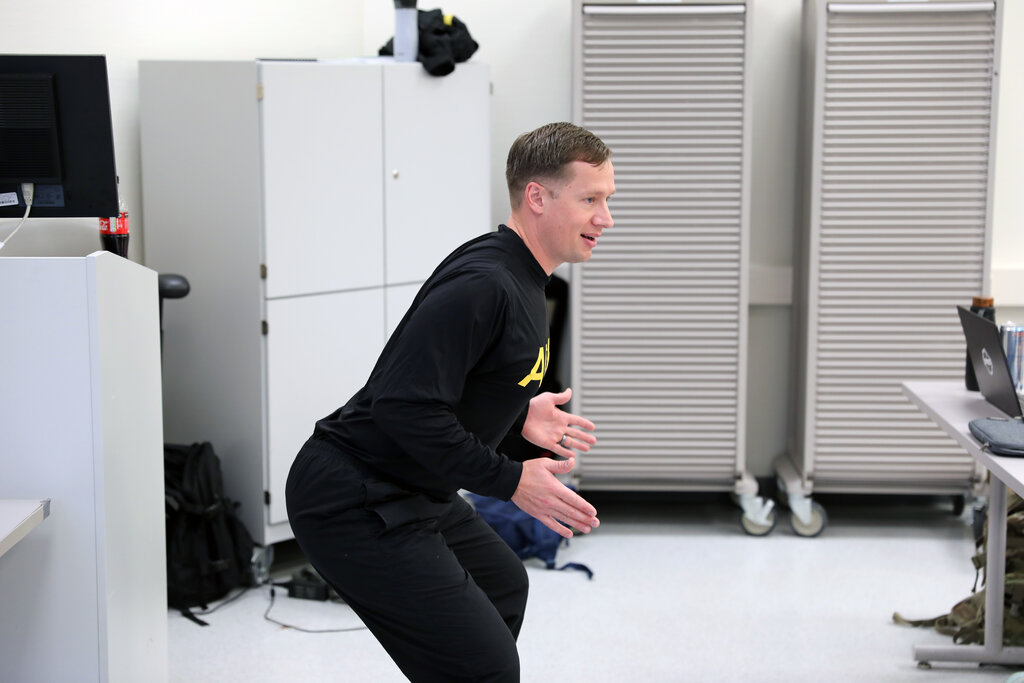
You can have the perfect plan, but it won't mean much without proper form. Executing each exercise with correct technique is the most important part of strength training. It ensures you're working the intended muscles and, more importantly, it's your number one defense against injury.

Lifting with poor form, especially when you start adding more weight, puts unnecessary strain on your joints, ligaments, and tendons. It's better to lift a lighter weight with perfect form than to lift a heavier weight improperly. Focus on mastering the movement pattern first. Once you're confident in your technique, you can start applying progressive overload.
Check your ego at the door. It's not about how much you can lift today, but about being able to lift safely and consistently for years to come.
Now that you understand the core principles, let's review them.
Ready to test your knowledge?
What is the core idea behind the principle of progressive overload?
Which of the following is NOT a method of applying progressive overload?
By keeping these fundamentals in mind—focusing on the benefits, applying the principles of overload and specificity, and always prioritizing form—you're setting yourself up for a safe and effective strength training journey.