Strength Building Fitness Routine Design
Strength Training Basics
What Is Strength Training?
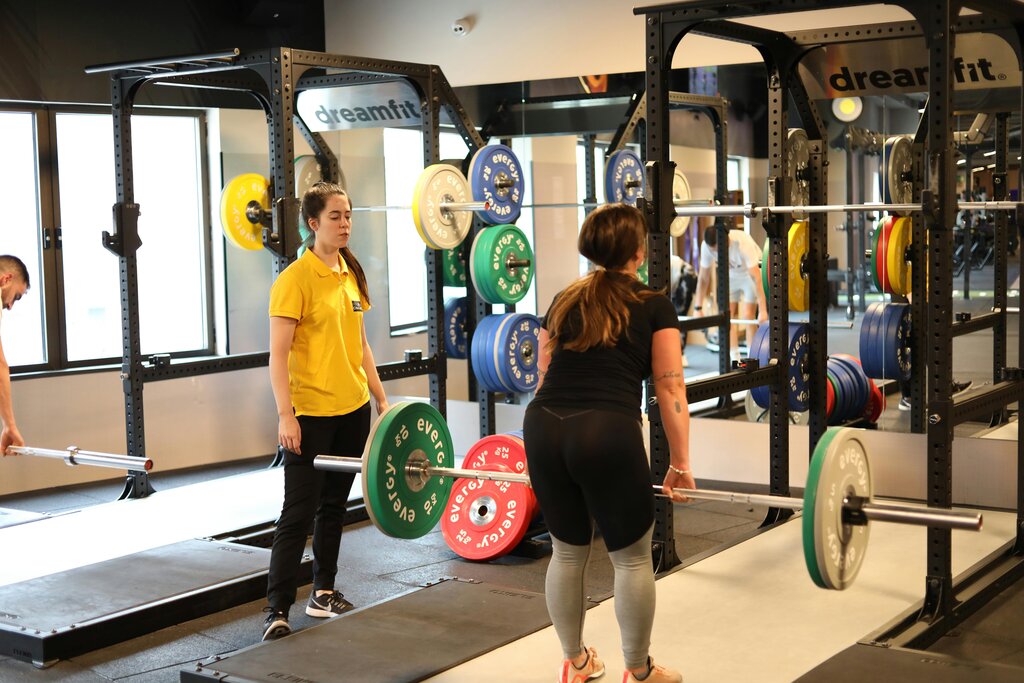
At its core, strength training is simple: you move your body against some form of resistance. This could be your own bodyweight, dumbbells, resistance bands, or barbells. The goal is to make your muscles contract, and over time, these contractions lead to increases in strength, endurance, and size.
Strength training is essentially contracting muscle against a resistance.
But it's not just about building bigger muscles. The benefits ripple through your entire body. Regular strength training helps you perform daily activities with more ease, whether that's carrying groceries, lifting your kids, or just getting up from a chair. It’s about building a more resilient and capable body for life.
How Your Body Adapts
When you consistently challenge your muscles, your body responds with some amazing adaptations. These changes are how you get stronger and healthier.
First is muscle hypertrophy, which is the scientific term for muscle growth. When you lift weights, you create tiny micro-tears in your muscle fibers. Your body then repairs these fibers, making them thicker and stronger than before to better handle future stress. This is the fundamental process of building muscle.
Strength training also improves bone density. Just like muscles, bones are living tissue that adapts to stress. The force of your muscles pulling on your bones during resistance exercises signals your body to deposit more minerals, making your bones stronger and less prone to fractures.
Finally, it boosts your metabolic rate. Muscle tissue burns more calories at rest than fat tissue does. By increasing your muscle mass, you effectively increase your body's baseline calorie-burning engine, even when you're not working out.
Two Key Exercise Types
Strength training exercises can be broadly categorized into two types: compound and isolation. A good routine includes a mix of both.
compound movement
noun
An exercise that engages multiple muscle groups across more than one joint.
Think of compound movements as your big, powerful lifts. Exercises like squats, deadlifts, bench presses, and pull-ups are all compound movements. They are incredibly efficient because they work so many muscles at once, building functional strength that translates directly to real-world activities.
On the other hand, we have isolation movements.
isolation movement
noun
An exercise that targets a single muscle group and involves movement at only one joint.
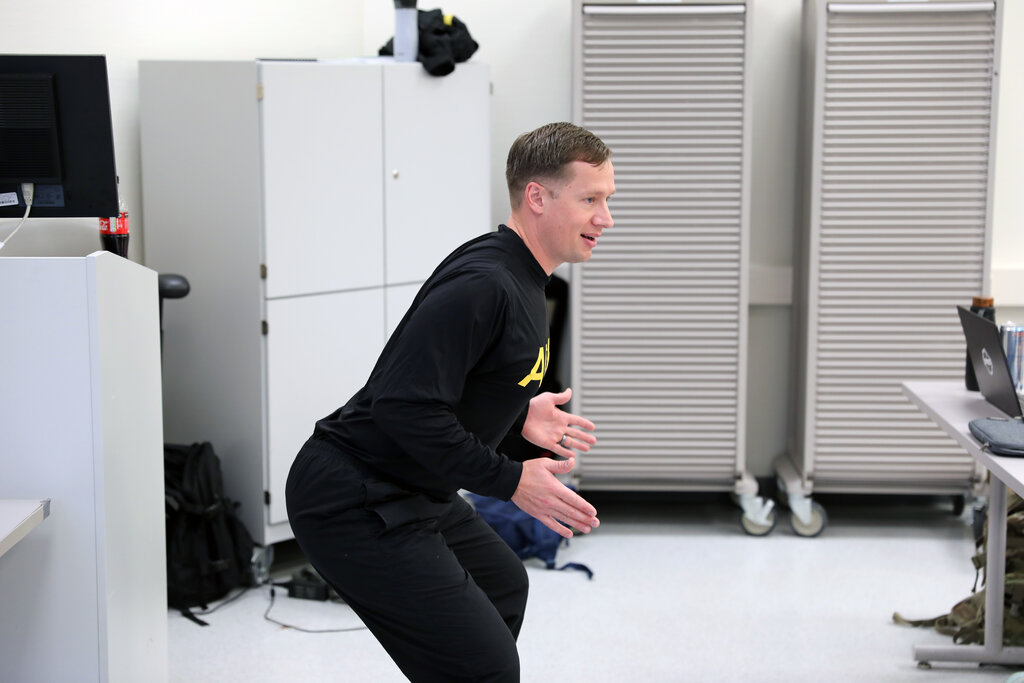
These exercises focus on one specific muscle, like a bicep curl for your biceps or a leg extension for your quadriceps. They are great for addressing muscle imbalances, strengthening a specific weak point, or adding extra work to a muscle group after you've performed your main compound lifts.
Balancing compound and isolation movements creates a well-rounded routine that builds both overall functional strength and targeted muscle development.
What is the primary process that leads to muscle growth from strength training?
Which of the following is considered a major benefit of increasing your muscle mass?
Understanding these core principles is the first step toward building an effective and safe strength training habit. It’s not about complexity, but consistency and smart choices.