Strength Building Fitness Routine Design
Strength Training Basics
More Than Just Muscle
Strength training isn't just about building bigger muscles. It's a powerful tool for improving your overall health. When you lift weights, use resistance bands, or even just your own body weight, you're telling your body to get stronger from the inside out.
One of the biggest benefits is an increase in muscle mass. More muscle means a higher metabolic rate, which is the speed at which your body burns calories while at rest. So, a stronger body is also a more efficient one. This process also puts healthy stress on your bones, signaling them to become denser and more resilient. This is crucial for preventing conditions like osteoporosis later in life.
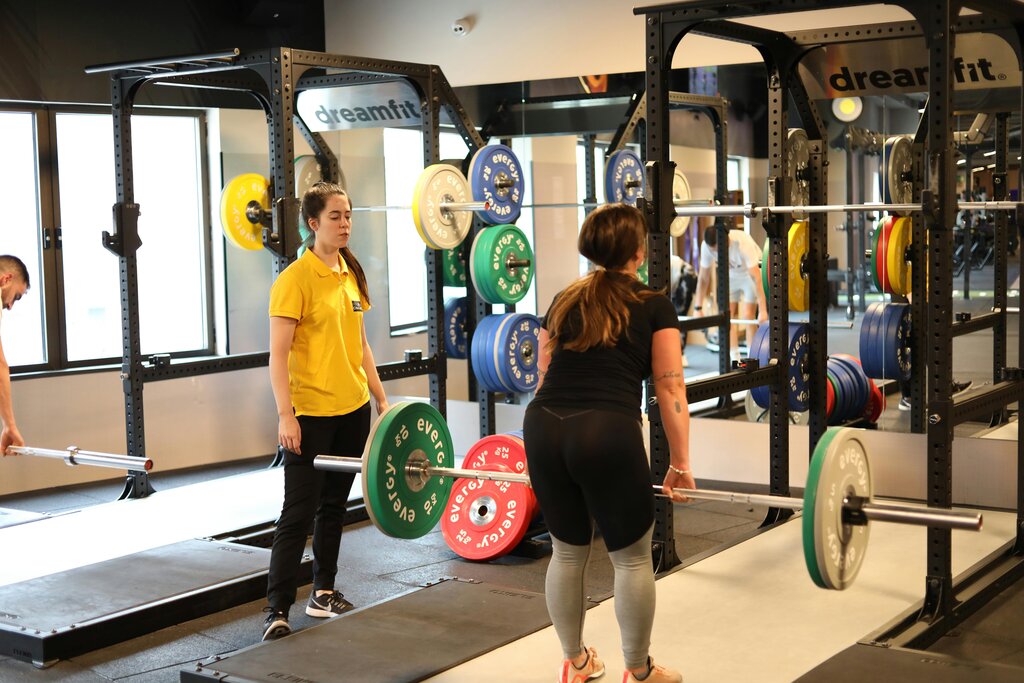
Form Before Weight
Before you think about how much weight you can lift, focus entirely on your form. Think of it like building a house. You need a solid foundation before you can add the walls and roof. In strength training, proper form is your foundation. Moving correctly ensures you're targeting the right muscles and, most importantly, preventing injuries.
Start with very light weights, or no weight at all. Master the basic movement pattern first. Are you doing a squat? Practice the motion until it feels smooth and controlled. Can you keep your back straight and your chest up? Once the movement is second nature, then you can start thinking about adding more resistance.
Proper technique in foundational movements builds a strong base and prevents injury.

Don't Forget to Breathe
Breathing might seem automatic, but paying attention to it can make a big difference in your lifts. Holding your breath can raise your blood pressure and reduce your stability. The general rule is simple: exhale during the hardest part of the movement and inhale during the easier part.
For example, when you do a push-up, you exhale as you push your body away from the floor (the exertion). You inhale as you lower yourself back down. For a squat, you'd exhale as you stand up and inhale as you lower yourself. This rhythm helps deliver oxygen to your muscles and keeps you in control.

Growth Happens During Rest
You don't get stronger in the gym. You get stronger when you recover from your time in the gym. Exercise creates tiny micro-tears in your muscle fibers. It's during periods of rest that your body repairs these tears, building the muscle back stronger than it was before.
This is why rest days are just as important as workout days. Skipping rest can lead to overtraining, injury, and burnout. Aim for quality sleep, stay hydrated, and give your muscle groups at least a day off before training them again. Listening to your body is a skill; if you feel overly sore or fatigued, it's a sign you need more recovery time.
Muscles don't grow while you're lifting; they grow while you're resting.
Ready to check your understanding of these core concepts?
What is a primary benefit of increasing muscle mass through strength training?
When beginning a new strength exercise, what is the most important initial focus?
Mastering these fundamentals—benefits, form, breathing, and rest—sets you up for a safe and effective fitness journey.