Street Photography Essentials
Introduction to Street Photography
What is Street Photography?
Street photography is the art of capturing candid, unposed moments in public places. It's about finding the extraordinary in the ordinary, documenting everyday life as it unfolds on streets, in parks, and on subways. Think of it as a way of seeing the world with a curious eye, looking for stories in the interactions between people and their environment.
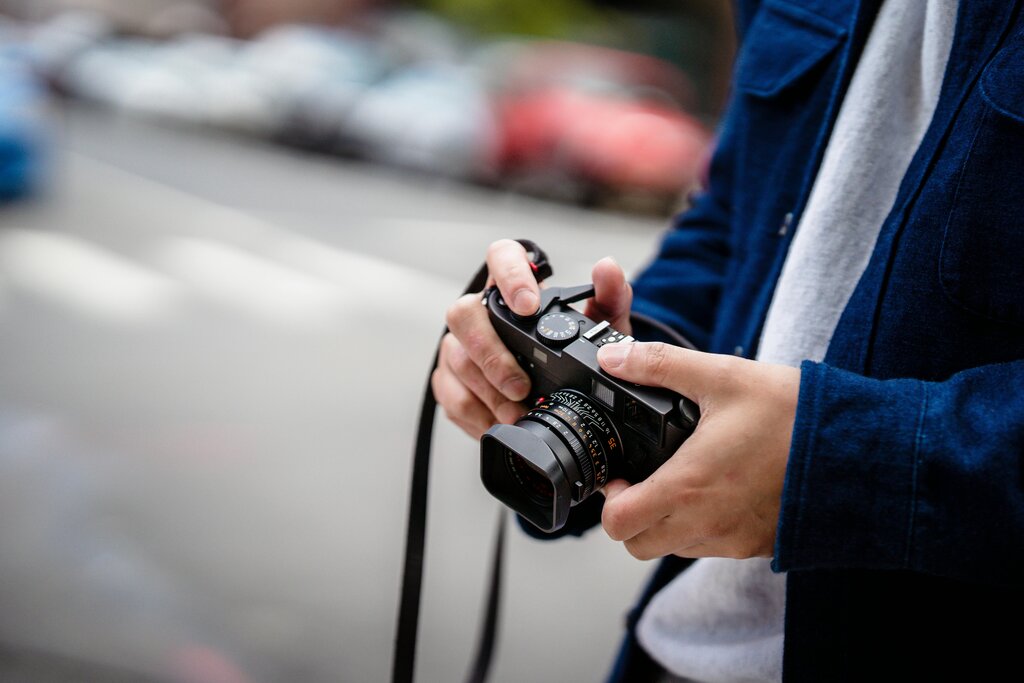
Unlike other types of photography, it isn’t about perfect portraits or planned landscapes. It's about authenticity. The goal is to capture a genuine slice of life, a fleeting expression, or a unique alignment of elements that will never happen in exactly the same way again.
Street photography is all about capturing spontaneous moments that tell a story.
A Brief History
The practice began to flourish in the late 19th and early 20th centuries, thanks to the invention of smaller, more portable cameras. Photographers were no longer tied to studios and could finally venture out to document the rapidly changing cities around them.
Early pioneers like Eugène Atget meticulously documented the streets and architecture of Paris, creating a valuable historical record. Later, photographers like Henri Cartier-Bresson elevated the craft into an art form. He is famous for coining the idea of the "decisive moment"—the split second when all the visual elements of a scene come together to tell a compelling story.
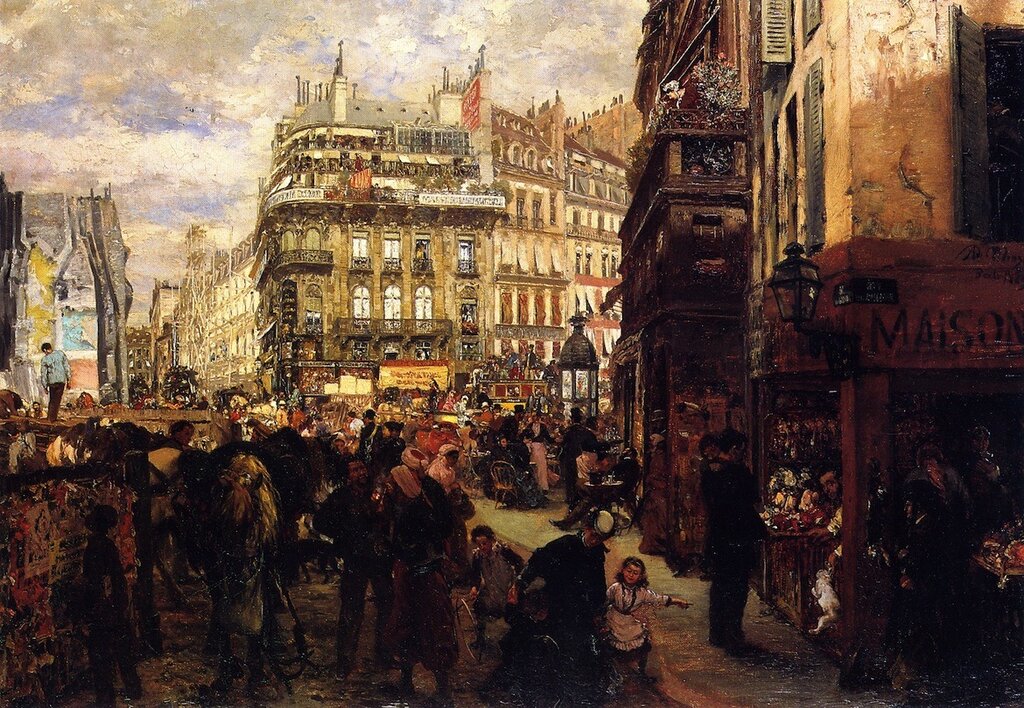
Others followed, each with their own unique style. Garry Winogrand captured the chaotic energy of American life in the mid-20th century with his wide, often tilted frames. Vivian Maier, a nanny whose incredible body of work was discovered only after her death, took sensitive and insightful photos of people in Chicago and New York. These photographers showed that the street is a stage for countless human dramas.
Key Characteristics
So what makes a photo a "street photo"? While there are no hard rules, most share a few key qualities:
- It's Candid: The subjects are not posing. They are usually unaware they are being photographed, which leads to more natural and authentic images.
- It Features a Human Element: While not always required, street photography often focuses on people. It can be a crowd, a solitary figure, or even just the evidence of human presence, like graffiti or a discarded object.
- It Tells a Story: A strong street photograph goes beyond just documenting a scene. It hints at a larger narrative, sparking curiosity and emotion in the viewer. It asks a question rather than just providing an answer.
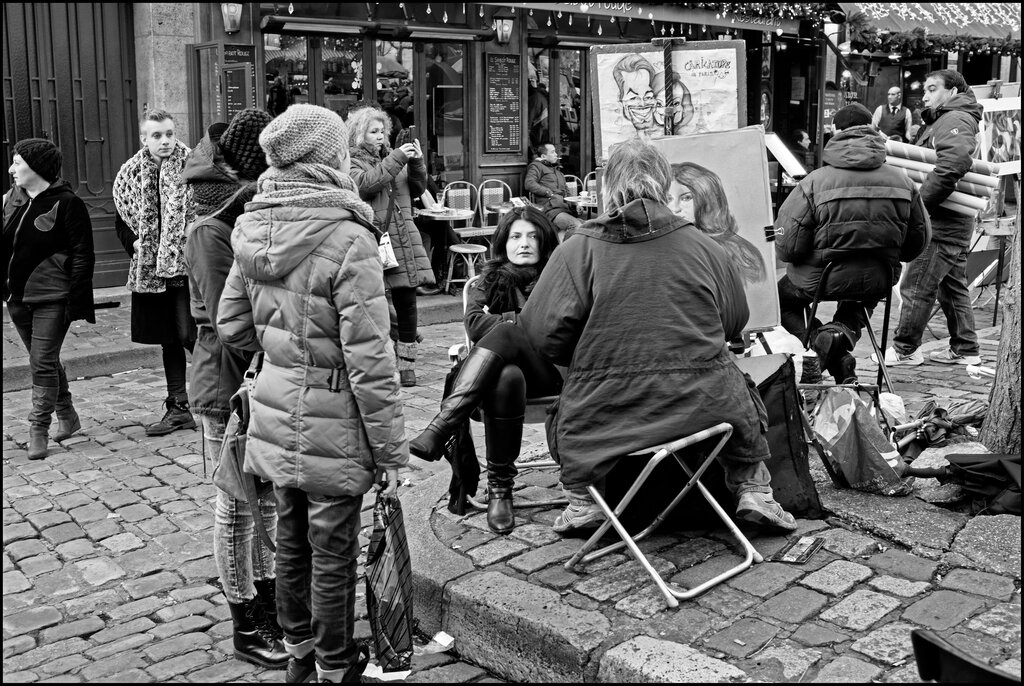
Ultimately, street photography is about being present and observant. It's about patience and the thrill of seeing a unique moment and capturing it before it disappears forever. It’s a powerful way to connect with the world and document the human experience.
The biggest lesson I’ve learned in candid street photography is the importance of patience.
Ready to test your eye for detail?
What is the primary goal of street photography?
The concept of the "decisive moment" is most famously associated with which photographer?