Street Art Social Commentary
Origins and Evolution
Ancient Roots
Leaving a mark on a wall is a deeply human impulse. Long before spray cans and stencils, people were carving, scratching, and painting messages in public spaces. In ancient Egypt, workers scribbled notes and cartoons on the stones of monuments. In the Roman city of Pompeii, walls were covered with everything from political slogans and advertisements for gladiator games to declarations of love and simple personal greetings.
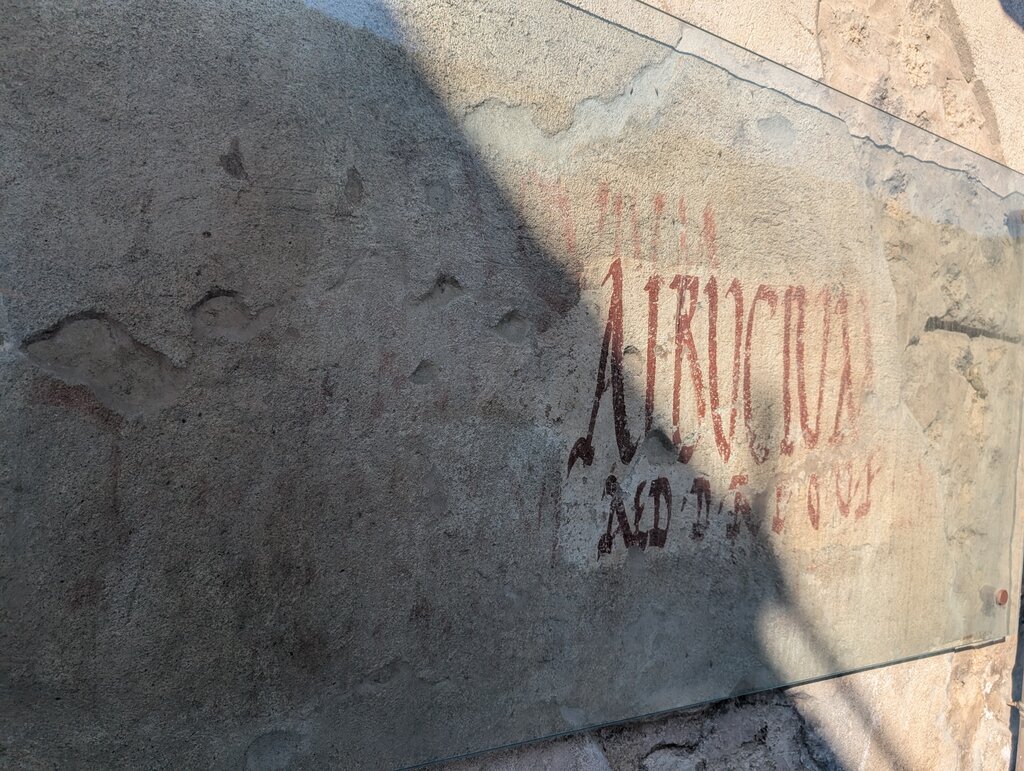
These early markings show that graffiti has always been a way for ordinary people to communicate directly with their community. The word itself, "graffiti," comes from the Italian word graffito, which means "a scratch." This perfectly describes the earliest forms of this art, etched into stone and plaster with a sharp tool.
Whether in a Roman marketplace or on a pyramid construction site, graffiti was a way to make a personal voice public.
This practice didn't stop when Rome fell. Throughout the Middle Ages and the Renaissance, people continued to leave their mark. Soldiers carved their names into castle walls, and pilgrims etched symbols into the stone of churches. While less studied than its ancient counterparts, this historical graffiti shows the same basic desire: to say, "I was here."
The Modern Explosion
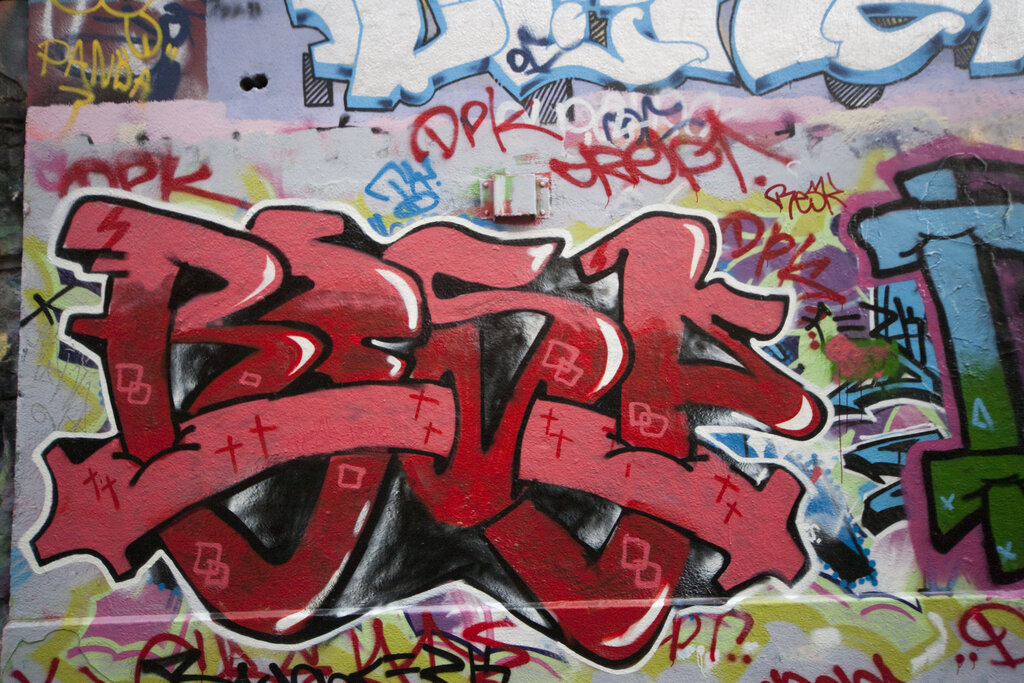
Modern graffiti as we know it exploded in the late 1960s in Philadelphia and New York City. Armed with spray paint and felt-tip markers, young people began writing their names, or "tags," all over the city. It was a way to gain fame and recognition within their neighborhoods.
Writers like CORNBREAD in Philadelphia and TAKI 183 in New York became local legends. TAKI 183, a Greek-American kid from Washington Heights, worked as a messenger and would tag his name and street number everywhere his route took him. When The New York Times published an article about him in 1971, the phenomenon went mainstream, inspiring thousands of others to pick up a can and make their mark.
The Voice of Hip-Hop
By the 1970s and 80s, graffiti became deeply intertwined with another emerging urban culture: hip-hop. Alongside DJing, MCing (rapping), and b-boying (breakdancing), graffiti became one of the four essential elements of hip-hop. It was the visual language of the movement, a vibrant and defiant art form that claimed public space in cities facing economic decline and social neglect.
New York's subway trains became the primary canvas. Artists would cover entire cars with elaborate, colorful murals called "pieces" (short for masterpieces). These rolling galleries carried their art and their names across all five boroughs, turning the transit system into a city-wide art exhibition. This was a competition of style, skill, and bravery, with artists constantly pushing the boundaries of what could be done with a spray can.
Graffiti plays a significant role in urban culture, serving as a reflection of the social, political, and economic conditions of a city.
This period laid the groundwork for the transition from tagging to what we now call street art. As artists developed more complex styles and began creating large-scale murals, the line between vandalism and art started to blur. They were no longer just writing their names; they were creating characters, scenes, and abstract works that demanded attention, paving the way for a new generation of artists to take their work from the subways to the streets and, eventually, into galleries.
Now, let's test your knowledge of graffiti's long and colorful past.
The word 'graffiti' originates from the Italian word 'graffito', which means...
What was the primary canvas for New York City graffiti artists in the 1970s and 80s, allowing their work to travel across the city?
From ancient scratches to vibrant subway cars, the history of graffiti is a story of communication, identity, and the unstoppable urge to leave a mark.