Street Art Social Commentary
Origins of Graffiti
The First Marks
Writing on walls is nothing new. Humans have been doing it for thousands of years. The impulse to leave a mark, to say "I was here," is ancient. We see it in the ruins of Pompeii, where citizens scratched messages, advertisements, and insults into the walls before Mount Vesuvius erupted. They wrote about politics, love, and daily gossip.
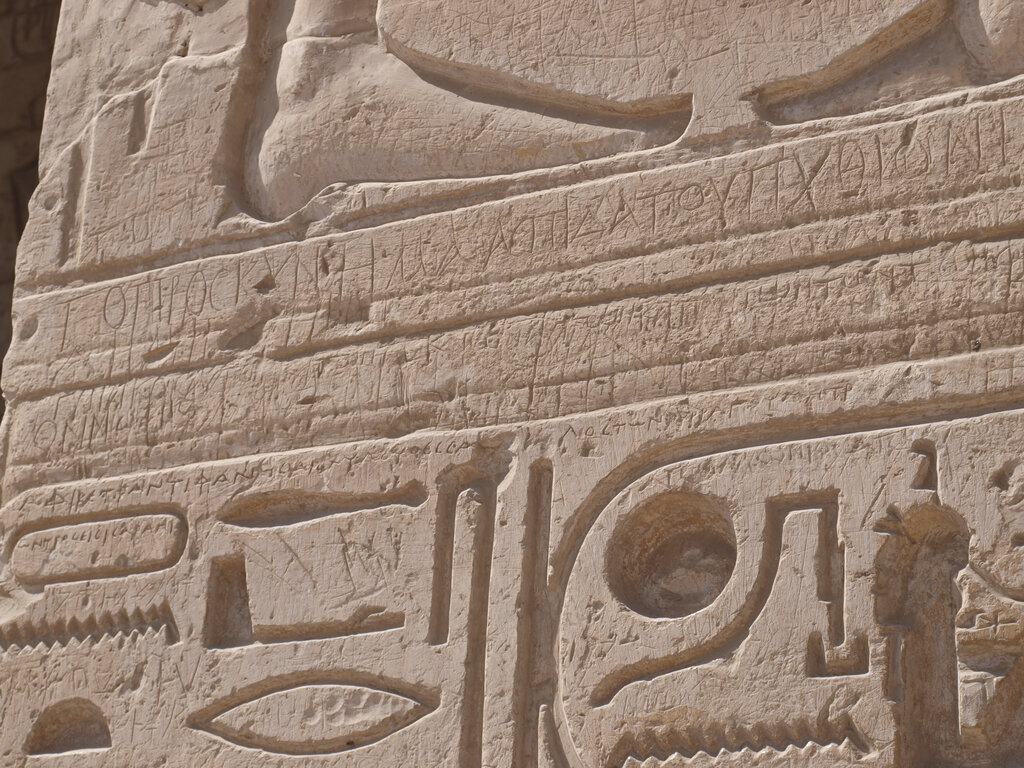
Ancient Egyptians, Greeks, and Romans all left their own forms of graffiti. These weren't elaborate spray-painted murals, but simple inscriptions. Soldiers would carve their names into monuments far from home. Travelers would note their visit on the stones of a famous temple. This was a way to communicate across time, leaving a personal trace in a public space.
graffiti
noun
Writing or drawings scribbled, scratched, or sprayed illicitly on a wall or other surface in a public place.
The word itself comes from the Italian word graffiato, meaning "scratched." While the tools have changed, the fundamental drive has not. Graffiti has always been a way for individuals to make their presence known, whether it was a Roman merchant advertising his goods or a Viking mercenary carving his name in a distant land.
The Birth of Modern Tagging
Modern graffiti exploded in the late 1960s and early 1970s. It started in Philadelphia and New York City, driven by young people in marginalized communities who wanted to claim a piece of the city for themselves. This wasn't about political slogans at first. It was about fame.
The goal was simple: get your name everywhere. This act of writing a name or nickname, known as a "tag," was the foundation of modern graffiti.
One of the first writers to gain city-wide fame in Philadelphia was named Cornbread. He started tagging walls in 1967 to get the attention of a girl he liked, writing "Cornbread Loves Cynthia" all over the city. His legend grew when he famously tagged an elephant at the Philadelphia Zoo and even the jet of the Jackson 5.
Around the same time in New York City, a Greek-American teenager named Demetrius started writing his tag, TAKI 183. He was a foot messenger, and his job took him all over the five boroughs. He wrote his tag everywhere he went, especially in subway stations. In 1971, The New York Times published an article about him, and the phenomenon of tagging blew up. Suddenly, thousands of kids were competing to see who could get their name up in the most places.
The subway system became the main stage for this competition. A tag on a train could travel across the entire city, making an artist famous from the Bronx to Brooklyn. It was a way for young people, who often felt invisible, to create an identity and earn respect from their peers.
Graffiti originated in the 1960s and 70s in New York City, particularly in African American and Latino communities, as a form of "tagging" or leaving one's mark on the urban landscape
This early form of graffiti was all about names and quantity. The style was less important than the sheer number of tags an artist could put up. But as more and more writers joined the scene, they started to develop unique styles to stand out, paving the way for the complex lettering and elaborate murals that would come later.
Ready to check what you've learned about the beginnings of graffiti?
The word "graffiti" originates from which Italian word?
What was the primary motivation for the first modern graffiti writers in Philadelphia and New York City?
From ancient scratches to modern tags, graffiti has always been a way for people to leave their mark on the world.