Street Art Social Commentary
Origins of Graffiti
A Very Old Habit
Before spray cans and elaborate murals, there were rocks, charcoal, and plaster walls. The act of leaving a mark in a public space is a deeply human impulse, one that stretches back thousands of years.
graffiti
noun
Writing or drawings scribbled, scratched, or sprayed illicitly on a wall or other surface in a public place.
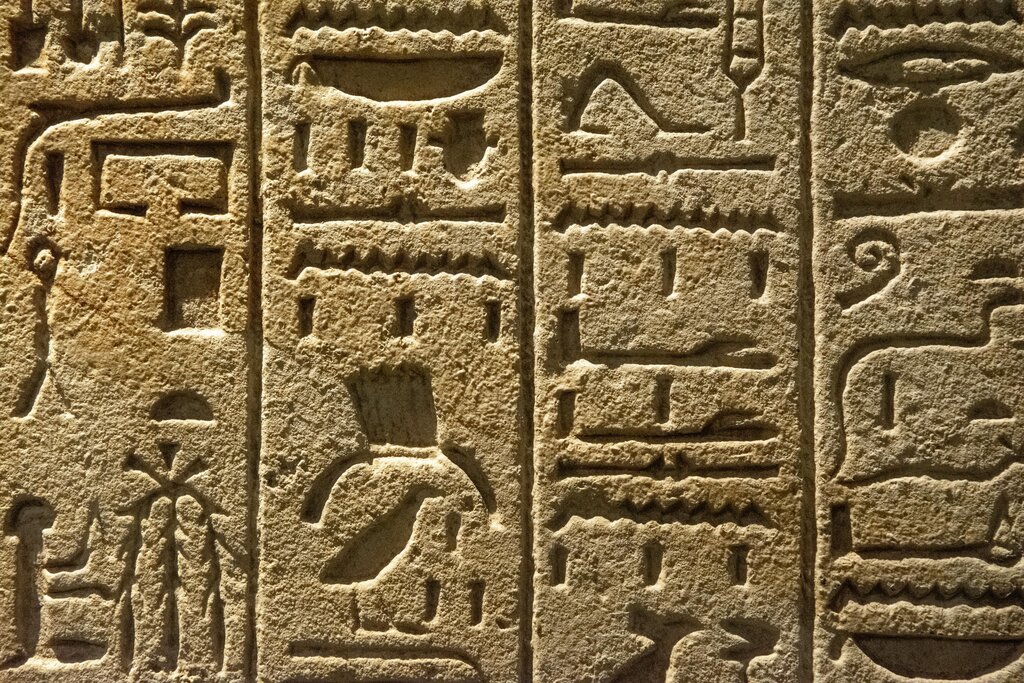
The earliest forms of graffiti are as old as civilization itself. Ancient Egyptians left inscriptions on monuments, not just as official records, but as personal notes and doodles. These weren't grand pronouncements from pharaohs, but messages from workers, priests, and visitors—a simple "I was here."
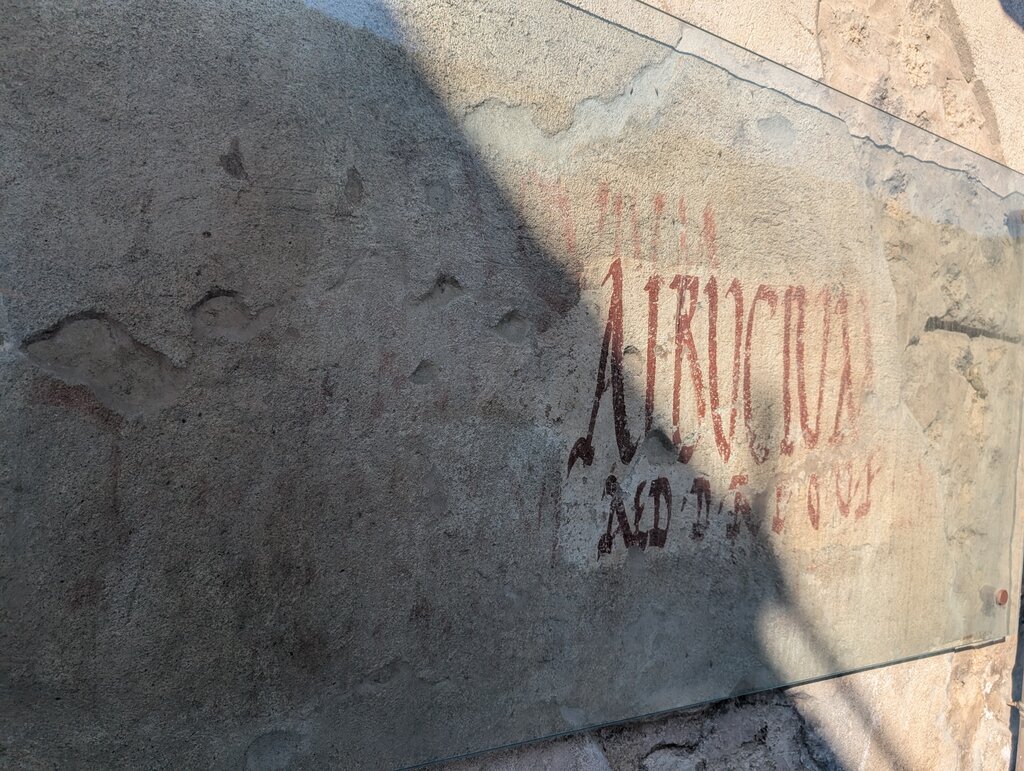
The Greeks and Romans were prolific graffiti artists. In cities like Pompeii, preserved by volcanic ash, we can read messages that feel surprisingly modern. Citizens scribbled poems, political slogans, advertisements for brothels, and declarations of love on public walls. These markings give us a raw, unfiltered glimpse into their daily lives, humor, and frustrations.
From Churches to WWI
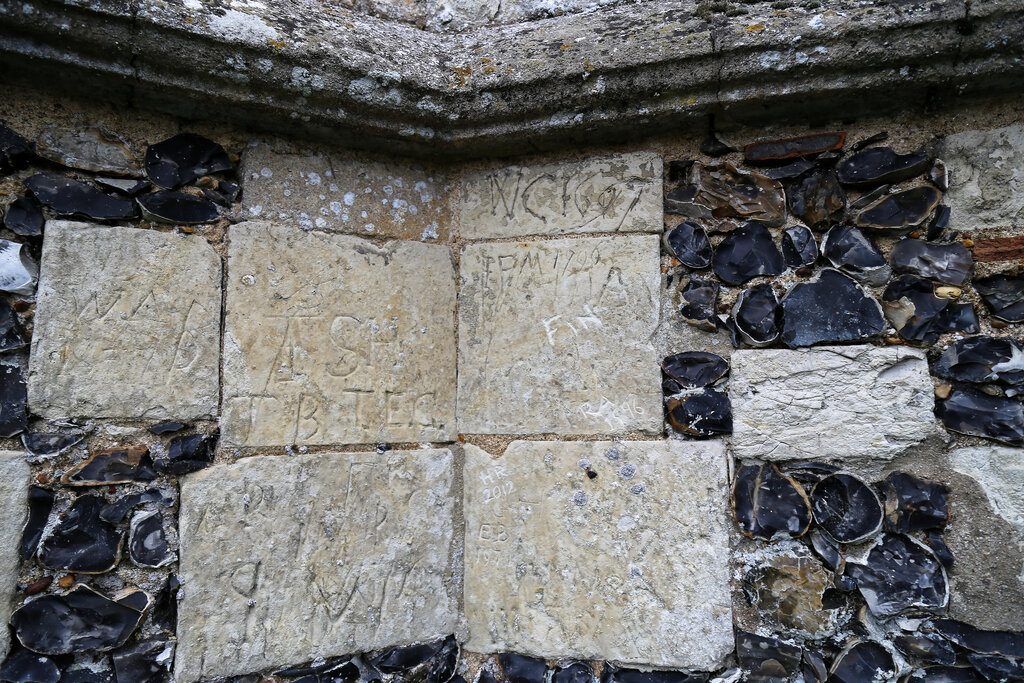
The practice didn't stop when Rome fell. Throughout the Middle Ages and the Renaissance, people continued to carve their names, dates, and symbols into stone. You can find centuries-old graffiti in historic churches and castles, left by pilgrims, soldiers, and builders who wanted to leave a permanent mark.
In the 20th century, graffiti took on a more overtly political tone. During World War I and II, soldiers on both sides scrawled messages and drawings wherever they went. The most famous example is "Kilroy was here," a simple doodle of a bald man peeking over a wall. It became a universal symbol, appearing in unexpected places across the globe, a mark of presence for American GIs.
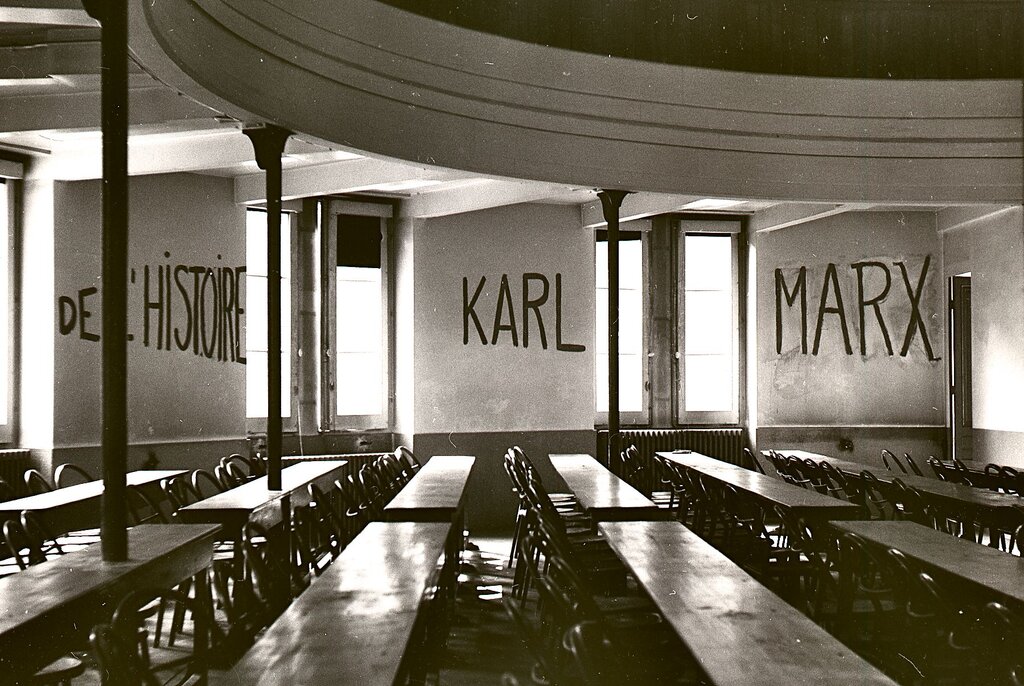
Political movements also embraced graffiti as a powerful tool for protest. From anti-fascist slogans in the 1930s to student protests in Paris in 1968, public walls became a canvas for dissent.
In American cities, street gangs used graffiti to mark their territory. These markings were often simple, cryptic tags meant to be understood only by other gang members, a way of claiming space and asserting dominance.
The Birth of a Culture
The kind of graffiti we recognize today, with its focus on style and artistic expression, exploded out of Philadelphia and New York City in the late 1960s and early 1970s. It wasn't about politics or territory in the same way. It was about fame.
A Philadelphia teenager named Darryl McCray, writing under the tag "Cornbread," is often credited as one of the first modern graffiti writers. He started tagging his name all over the city to get the attention of a girl he liked, and his fame grew from there.
Soon, the phenomenon migrated to New York City, where it took root in the youth culture of the Bronx and Washington Heights. Teenagers began "tagging" their nicknames and street numbers across the city. One of the most famous early writers was TAKI 183, a Greek-American kid from 183rd Street. He worked as a messenger, so he traveled all over the city, leaving his tag in every borough. A 1971 article in The New York Times about him turned a local trend into a city-wide sensation.
Suddenly, everyone wanted to be famous. The goal was to get your name up in as many places as possible, and the subway system became the ultimate canvas. A tag on a train car could travel across the entire city, seen by thousands of people.
This competition drove innovation. Writers started developing unique styles to stand out. Simple tags evolved into more complex and colorful works called "pieces" (short for masterpieces), with elaborate lettering, outlines, and characters. This was the birth of graffiti as an art form and a culture, with its own rules, language, and heroes.
Graffiti plays a significant role in urban culture, serving as a reflection of the social, political, and economic conditions of a city.
Before we test your knowledge, let's review the key concepts from this article.
Ready? Let's see what you've learned.
According to the text, what was a common purpose for the earliest forms of graffiti, such as those found in ancient Egypt?
The famous phrase and doodle "Kilroy was here" became a widespread symbol associated with which group?
From ancient etchings to the sides of New York subway cars, graffiti has a long and rich history. It's a story of people wanting to be seen and heard, leaving their mark on the world around them.