Street Art Social Commentary
Introduction to Street Art and Graffiti
Art on the Streets
Walk down a street in almost any city and you'll see it: a splash of color on a brick wall, a name written in stylized letters on a mailbox, or a massive painting covering the side of a building. This is the world of street art and graffiti, an open-air gallery that’s constantly changing.
graffiti
noun
Writing or drawings scribbled, scratched, or sprayed illicitly on a wall or other surface in a public place.
Graffiti, in its modern form, exploded in Philadelphia and New York City in the late 1960s and 70s. It started with 'tags,' which are stylized signatures. Writers, as they're called, would compete to get their tags in as many places as possible. The focus was on lettering, style, and getting your name known within the subculture. Over time, these simple tags evolved into more elaborate, multi-color pieces, often called 'masterpieces' or 'burners'.
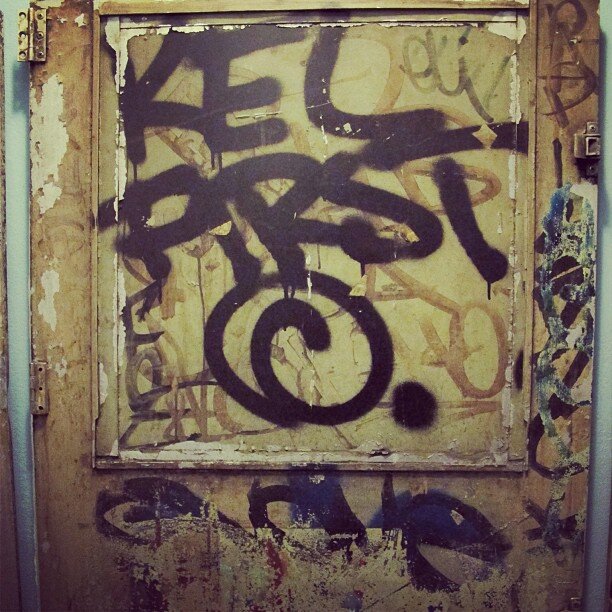
From this graffiti culture, a broader movement emerged: street art. While graffiti is typically word-based and created for other graffiti writers, street art is more image-focused and often aims to communicate with the general public. It includes a wider range of techniques beyond spray paint, like stencils, stickers, and large-scale murals.
Think of it this way: graffiti is often a conversation within a specific community, while street art is a statement intended for everyone.
A Voice for the Voiceless
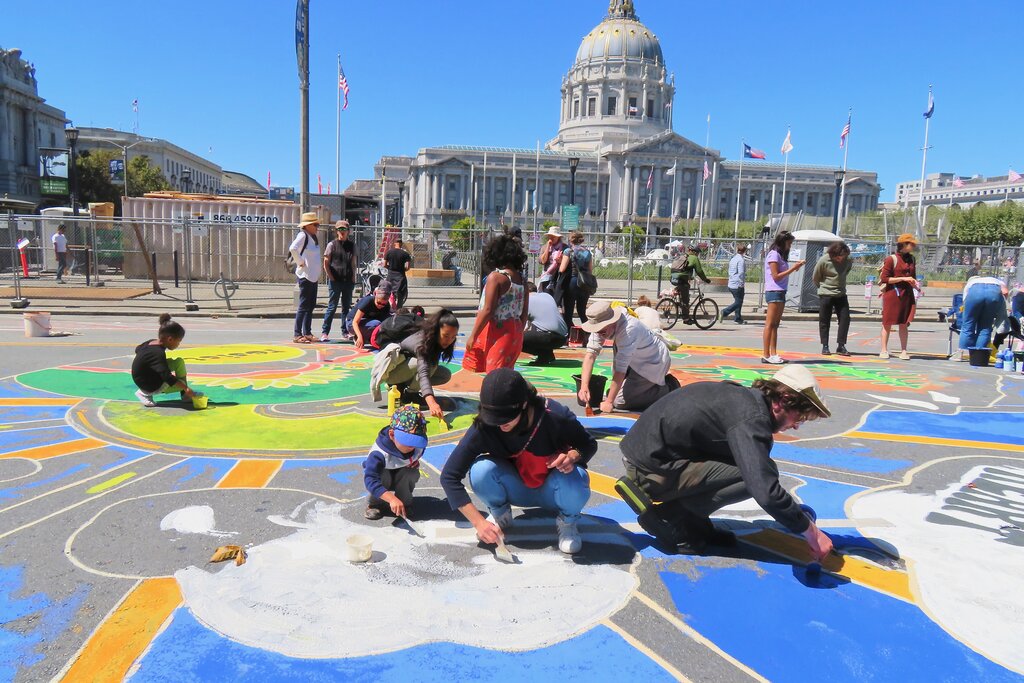
Both graffiti and street art have a long history of being used as a form of social commentary. Because it exists in public spaces, it’s an incredibly direct way to share a message, protest, or raise awareness about issues that might otherwise be ignored. Artists use public walls as a canvas to talk about everything from local politics and gentrification to global conflicts and human rights.
Many street artists use their work to raise awareness about social and political issues, challenge authority, and critique consumerism, gentrification, and other aspects of society
This public platform allows artists to bypass traditional art galleries and museums, speaking directly to people in their daily lives. The message becomes part of the city itself.
Vandalism or Art?
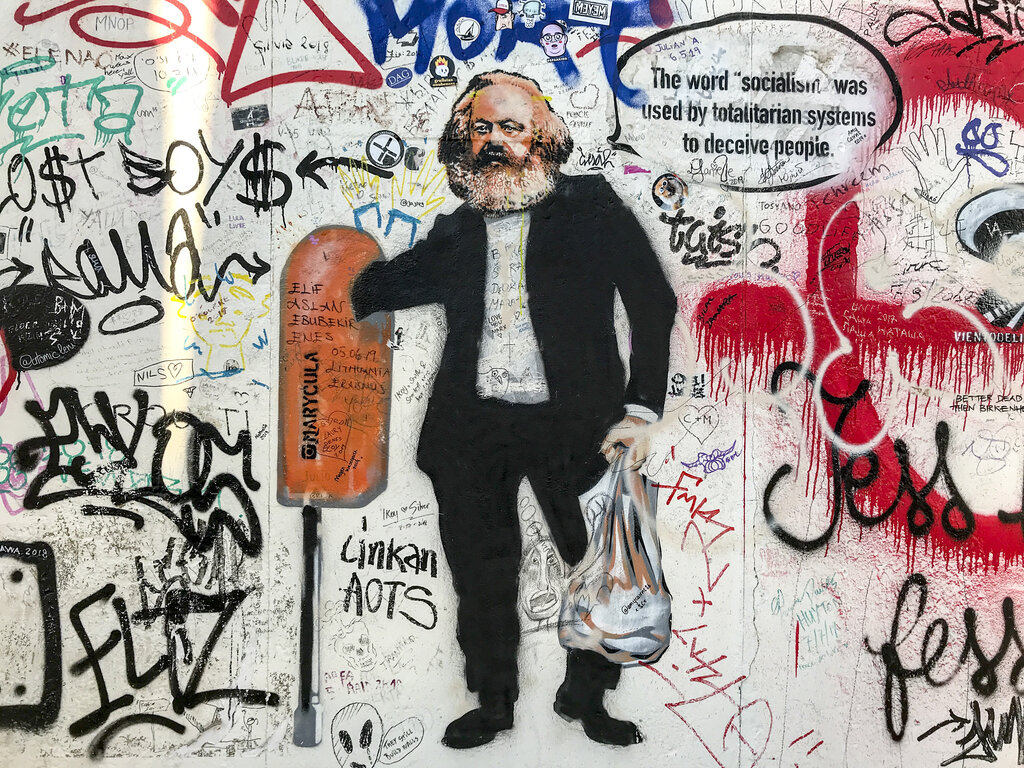
Is it a crime or is it culture? This question is central to the world of street art and graffiti. Legally, creating art on property without permission is vandalism. This is why much of the work is done anonymously and often at night. The illegal nature of the act is, for some artists, part of the message itself—a rebellion against authority and private property rules.
However, public perception has been shifting. Cities now commission artists to paint murals to beautify neighborhoods, and works by street artists like Banksy sell for millions of dollars. There are designated 'free walls' where artists can paint legally. This acceptance has created a divide between art created with permission and the raw, unsanctioned work that defined the movement's origins.
| Feature | Graffiti | Street Art |
|---|---|---|
| Primary Focus | Stylized lettering, tags | Images, figures, concepts |
| Audience | Other graffiti writers | The general public |
| Primary Goal | Fame within the subculture | Spreading a message or aesthetic |
| Legality | Often illegal | Can be legal or illegal |
Let's review the key ideas before testing your knowledge.
Ready to check your understanding?
According to the text, modern graffiti culture, characterized by stylized signatures or 'tags', first emerged and gained prominence in which two U.S. cities?
What is the main difference identified between 'graffiti' and 'street art'?
Understanding these foundations is the first step. Next, we'll look at how artists use specific techniques to get their messages across.