Street Art Graffiti Social Commentary
Origins of Street Art
A Voice from the Margins
Street art didn't begin in galleries or art schools. It was born on the streets, fueled by a need to be seen and heard. Its roots lie in graffiti, which erupted in cities like Philadelphia and New York in the late 1960s and 1970s. For the young, often marginalized, people in these sprawling urban centers, the city was a landscape of concrete and steel that didn't seem to have a place for them.
So they made a place for themselves. Armed with spray cans and markers, they wrote their names on walls, buses, and subway cars. This act of writing, known as tagging, was a simple but powerful declaration: "I exist. I am here." It was a way to claim a piece of the city, to become visible in a world that often rendered them invisible.
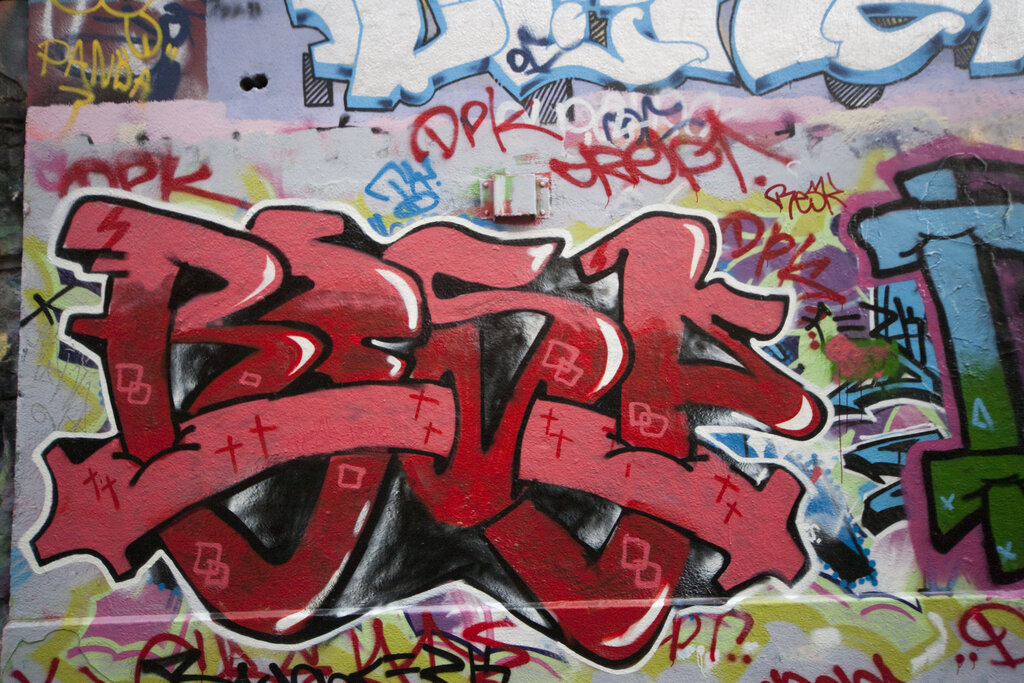
What started as a signature evolved into a full-blown artistic movement. Tagging became a competition. Writers sought fame not just by the number of places they could tag, but by the style and creativity of their lettering. Simple names morphed into elaborate, colorful murals known as "pieces" (short for masterpieces). This was a shift from mere presence to deliberate self-expression. Each piece was a unique display of skill, a personal brand built with aerosol paint.
This evolution marked a crucial change: from seeking visibility to crafting an identity.
Reclaiming Public Space
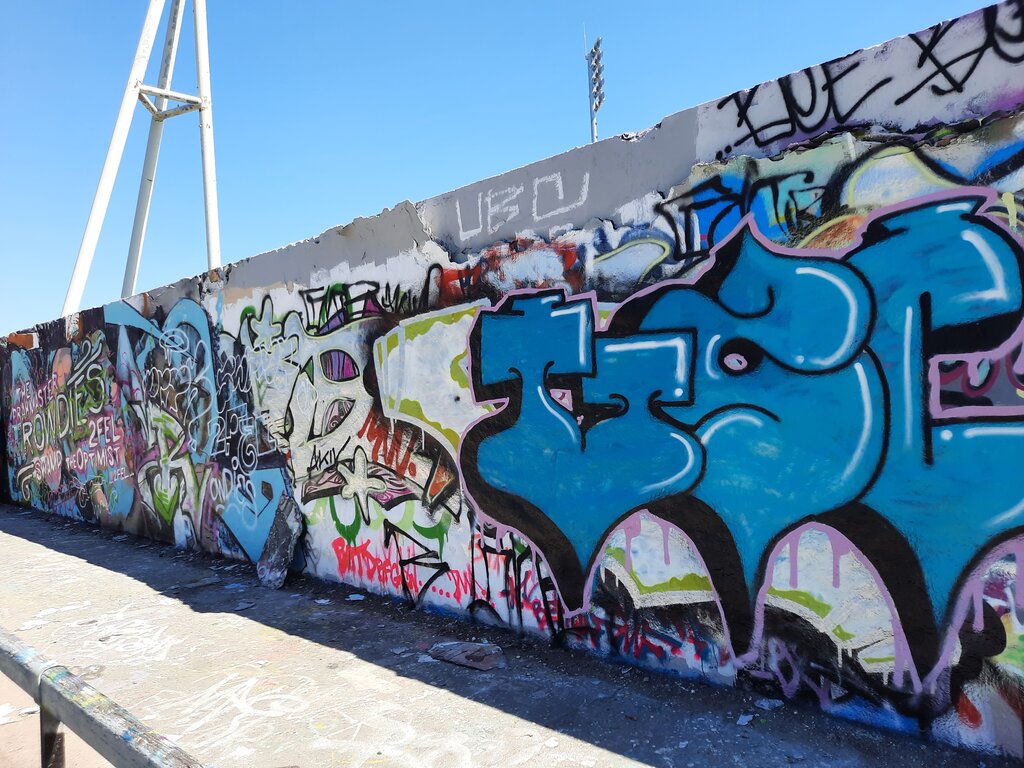
Graffiti was fundamentally an act of reclamation. Public spaces in a city are not neutral; they are controlled. Advertisements cover buildings, telling people what to buy and how to think. City planning dictates where people can go and what they can do. Graffiti challenged all of that. It was unauthorized, unsanctioned art that inserted a personal, human voice into a corporate and municipal monologue.
The first of these is how discussion of graffiti, more often than not, revolves around issues of contested urban space, state control and gentrification.
Subway trains were a particularly important canvas. A piece painted on a train car became a mobile gallery, carrying the artist's name and style across all five boroughs of New York City. It was a way for a kid from the Bronx to have their work seen in Brooklyn, Queens, and Manhattan without ever leaving their neighborhood. It was a network, a sub-rosa communication system that connected writers across the city.
From Names to Messages
While much early graffiti was about names and artistic style, it quickly became a tool for social commentary. The same walls that carried tags also began to carry messages of protest, frustration, and solidarity. It was a natural progression. For communities facing poverty, police brutality, and systemic neglect, graffiti was a public forum when no one else would listen.
In the late 1960s, political slogans began appearing on walls, reacting to the Vietnam War and the Civil Rights Movement. Phrases like "Free Huey" (referring to Black Panther Party co-founder Huey P. Newton) were scrawled in public spaces, turning a wall into a political poster. This wasn't just about individual fame anymore; it was about collective struggle.
Slogans of protest and political or social commentary graffitied onto public walls are the precursor to modern graffiti and street art, and continue as one aspect of the genre.
These early acts of politically charged graffiti laid the groundwork for street art's role as a powerful form of dissent. It established the street as a legitimate place for conversation, debate, and activism. The artists showed that a spray can could be just as powerful as a pen or a protest sign, transforming the urban landscape into a canvas for change.
What was the primary motivation for the earliest form of graffiti known as "tagging"?
In the context of graffiti, a "piece" is an evolution of a tag into a more complex artwork. What does "piece" stand for?