Street Art Graffiti Social Commentary
Introduction to Street Art and Graffiti
The Writing on the Wall
Walk through any major city, and you’ll see it. On brick walls, train cars, and storefront shutters, you'll find a visual language unique to the streets. This is the world of graffiti and street art.
Though often used interchangeably, the two terms have distinct origins. Graffiti is typically word-based. It began with simple signatures, or “tags,” that writers used to mark territory and build a reputation. Over time, these tags evolved into more elaborate, stylized lettering called “pieces.” The focus is often on style, skill, and getting your name seen.
Street art grew out of graffiti culture but is generally more image-focused. While a graffiti writer might spray their name, a street artist might create a detailed picture or a clever visual pun. The goal shifts from personal fame to communicating a specific idea or emotion to the public.
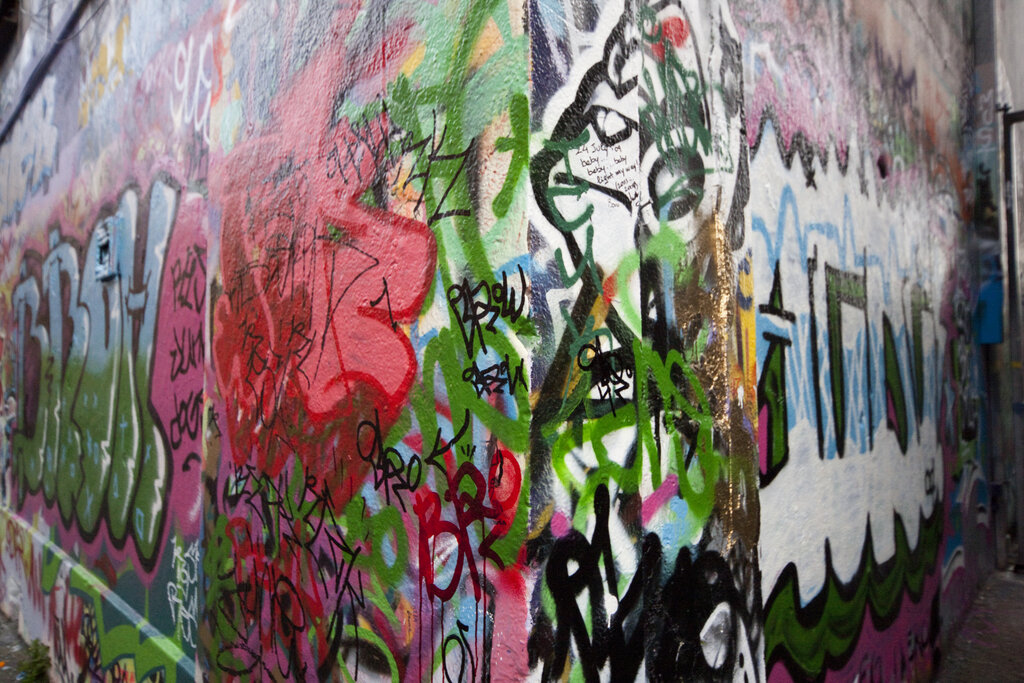
Of course, the line between them is blurry. Many artists work in both styles, and a single wall might feature a mix of tags, murals, and stencils. The key connection is the space they occupy: the public sphere. Both forms take art out of the gallery and place it directly in our daily lives, forcing us to look.
graffiti
noun
Writing or drawings scribbled, scratched, or sprayed, often illicitly, on a wall or other surface in a public place.
From Ancient Walls to Modern Cities
Leaving a mark on a wall is hardly a new idea. Ancient Romans carved messages into buildings in Pompeii, and Vikings etched runes wherever their travels took them. This impulse to say “I was here” is an ancient human behavior.
Modern graffiti culture, however, exploded in the late 1960s and 1970s, particularly in Philadelphia and New York City. It was an outlet for urban youth, a way to claim a voice and identity in sprawling, often neglected, cityscapes. The subway system became a rolling gallery, with train cars carrying artists' names from one end of the city to the other.
From these roots, street art emerged. Artists began experimenting with new forms, like stencils and posters, to get more complex images up quickly. They saw public spaces not just as a place for a name, but as a canvas for a message.
A Public Voice
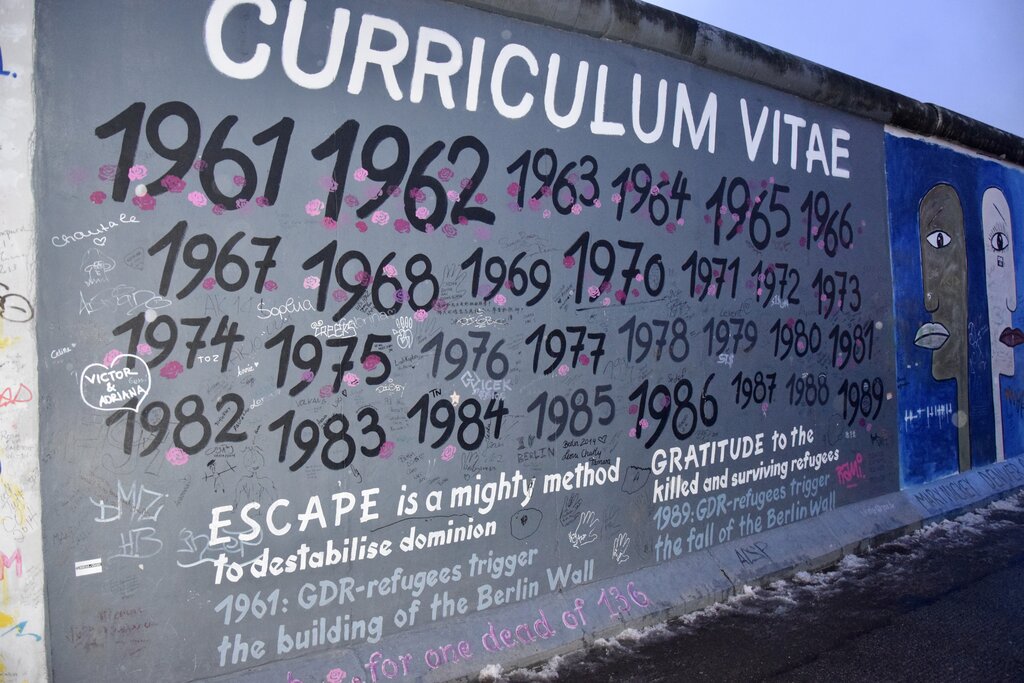
Why do artists take the risk? For many, street art is a form of social commentary. It’s a way to speak directly to the public without a filter. Unlike art in a museum, which you have to choose to see, street art confronts you on your way to work or school. It can challenge your ideas, make you laugh, or draw attention to an issue you might otherwise ignore.
This art can be a powerful tool for activism. It gives a voice to those who may feel unheard by mainstream society, allowing them to comment on everything from local politics and gentrification to global issues like war and climate change.
The street art movement reflects social issues, challenges norms, and reclaims public space as a canvas for dialogue.
By transforming a plain wall into a piece of commentary, artists reclaim public space. They challenge the idea of who owns our shared environment and who gets to decide what it looks like. Is a wall covered in advertisements more valuable to a community than a wall covered in art? Street artists force us to ask these questions.
Now, let's test your understanding of these foundational concepts.
What is the primary distinction between graffiti and street art, as described in the text?
According to the text, modern graffiti culture exploded in the 1960s and 1970s, particularly in which two U.S. cities?