Street Art as Social Commentary
Introduction to Street Art and Graffiti
More Than Just Writing on Walls
You’ve seen it on the side of a train car, a forgotten alleyway, or a sprawling mural covering an entire building. This art, found in the spaces we share, is more than just decoration or damage. It’s a public conversation, a way for people to leave their mark, share a message, or simply say, “I was here.” Two terms often used to describe this are graffiti and street art. While they overlap, they have distinct roots and intentions.
graffiti
noun
Typically refers to writing or drawings made on a surface in a public place, often without permission. It is frequently text-based, focusing on the artist's signature or 'tag,' and is central to a culture built on style, skill, and reputation.
Graffiti is often about the act itself, a rebellious and immediate form of self-expression. Street art, on the other hand, usually has a different goal.
street art
noun
A broader category of art created in public locations. While it can include graffiti, it often involves images, stencils, and installations intended to engage with the general public and comment on social or political issues.
Think of it this way: graffiti is often a conversation with other graffiti writers, focused on names and letters. Street art is a conversation with everyone who walks by, using images to make people think.
A History Written on the Streets
The impulse to write on walls is as old as humanity. Ancient Romans scribbled messages and political slogans on buildings in Pompeii, and Vikings carved runes wherever their ships took them. But the modern graffiti movement we recognize today exploded in the late 1960s and 70s.
It started in cities like Philadelphia and New York, with young people using spray paint and markers to write their chosen names, or “tags,” across the urban landscape. This was a competition for fame. The more places your tag appeared, especially on moving subway trains that traveled the whole city, the more respect you earned. Over time, these simple tags evolved into elaborate, colorful pieces with complex lettering and characters, known as “masterpieces” or “burners.”
From this graffiti culture, street art emerged. Artists began to move beyond letterforms, using public spaces to create images with a broader message. They started using stencils, stickers, posters, and even sculptures. The goal shifted from personal fame to public commentary.
The Voice of the Community
Why do these art forms thrive in cities? Because public spaces are where society’s tensions and triumphs play out. Street art and graffiti give a voice to individuals and communities who might otherwise go unheard. They can be a form of protest against injustice, a way to reclaim neglected spaces, or a celebration of local culture and history.
Graffiti plays a significant role in urban culture, serving as a reflection of the social, political, and economic conditions of a city.
A mural depicting local heroes can instill neighborhood pride. A stenciled message on a government building can challenge authority. The art responds directly to its environment, making the city itself part of the canvas and the message. It bypasses the traditional art world of galleries and museums, bringing ideas directly to the people on the street.
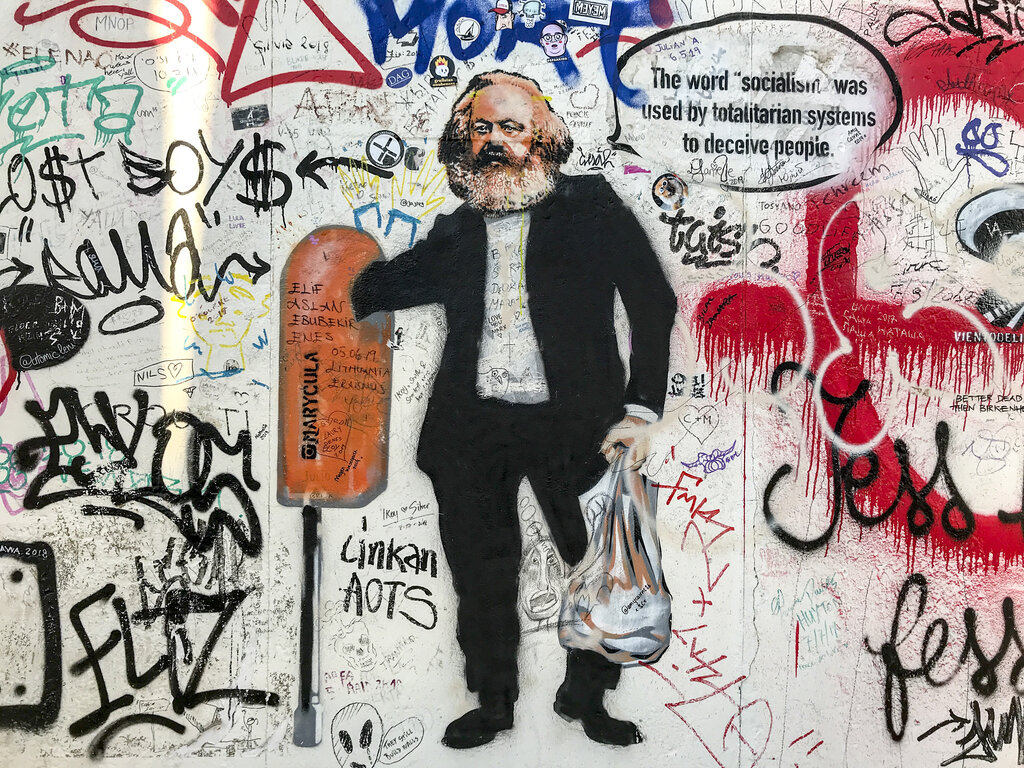
Understanding these art forms means looking past the surface. It requires us to consider the context: Who made this? Where is it? What might it be trying to say about the world we all share?
What is a primary distinction the text makes between graffiti and street art?
The modern graffiti movement, characterized by "tags" and subway train art, began in cities like New York and Philadelphia in the late 1960s and 70s.