Street Art as Social Commentary
Origins of Street Art
Ancient Roots
Long before spray paint and stencils, people were leaving their mark on public walls. The urge to write on surfaces is as old as civilization itself. In ancient Rome and Greece, graffiti was everywhere. It wasn't just rebellious scribbling; it was a part of everyday communication for all social classes.
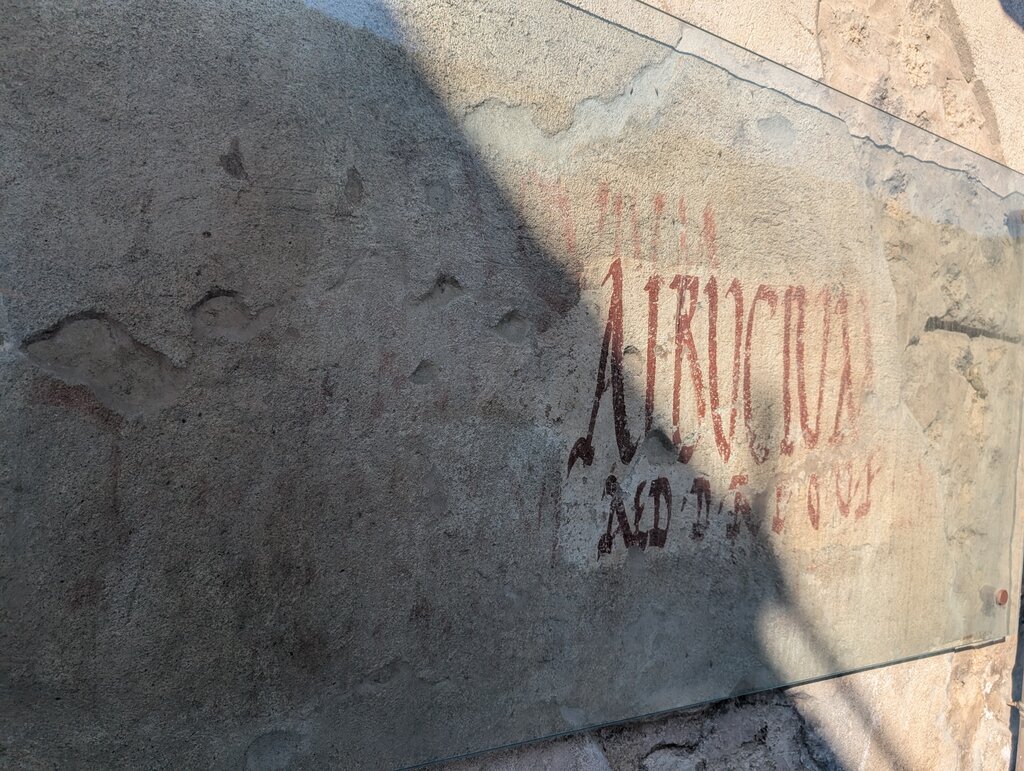
The ruins of Pompeii offer a fantastic snapshot of this practice. Citizens etched messages into walls, ranging from political endorsements and advertisements for businesses to declarations of love and simple greetings. One famous example reads, “I wonder, O wall, that you have not yet collapsed, so many writers' clichés do you bear.” This shows that even the Romans found some graffiti tiresome.
These ancient markings were a public forum. They gave a voice to ordinary people, allowing them to share opinions, jokes, and frustrations with their entire community. This is a core function that graffiti and street art still serve today.
Marks Through the Ages
Moving forward in time, the practice continued, though its purpose often shifted. During the medieval and Renaissance periods, you could find extensive graffiti inside churches, particularly in England. This might seem disrespectful to us, but it was often a form of prayer or devotion.
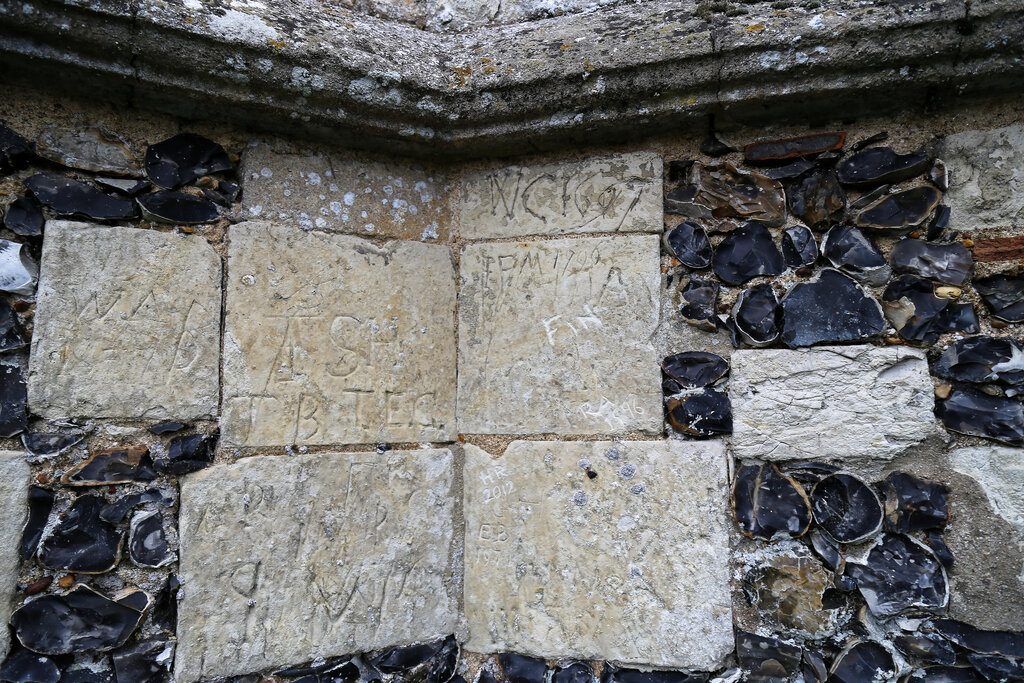
Parishioners carved initials, dates, and symbols into the stone pillars and wooden pews. These weren't acts of vandalism. They were seen as a way to leave a permanent prayer, to commemorate a personal pilgrimage, or even to create protective charms against illness or evil spirits. These marks connected people directly to the sacred space.
A Tool of Conflict
In the 20th century, graffiti took on a more overtly political role, especially during times of conflict. During World War II, walls became battlegrounds for ideology. Nazi propaganda was stenciled onto buildings in occupied territories to promote their message and intimidate locals.
Slogans of protest and political or social commentary graffitied onto public walls are the precursor to modern graffiti and street art, and continue as one aspect of the genre.
In response, resistance movements used graffiti to fight back. They would deface Nazi symbols, paint patriotic slogans, or spread coded messages of hope and defiance. A simple V for victory or the Cross of Lorraine became powerful symbols of opposition when scrawled on a wall.
American soldiers also left their own iconic mark across the globe: the simple doodle of a bald-headed character peeking over a wall, with the phrase "Kilroy was here." It appeared in the most unlikely places, a symbol of the American presence and a bit of homespun humor in the midst of war. These early forms of graffiti all share a common thread: using public space to communicate a message, whether personal, spiritual, or political.
Let's review what you've learned about the early history of street art.
What was a common purpose of graffiti found in the ruins of Pompeii?
During the Middle Ages, parishioners often carved initials and symbols into church pillars and pews. This was generally viewed as an act of vandalism.
From ancient walls to modern cities, the impulse to leave a public mark connects artists across centuries.