Street Art and Social Commentary
Introduction to Street Art and Graffiti
Art in the Open
Walk down the street in almost any city, and you'll find art that wasn't created for a gallery. This is the world of street art and graffiti, two vibrant forms of public expression that often get grouped together but have important distinctions.
Graffiti, in its purest form, is often word-based. It started with writers creating stylized signatures, or "tags," to mark territory or gain recognition. It’s typically done without permission and is rooted in a culture of rebellion and self-expression. Think of the complex, colorful lettering you might see on the side of a train car or a brick wall.
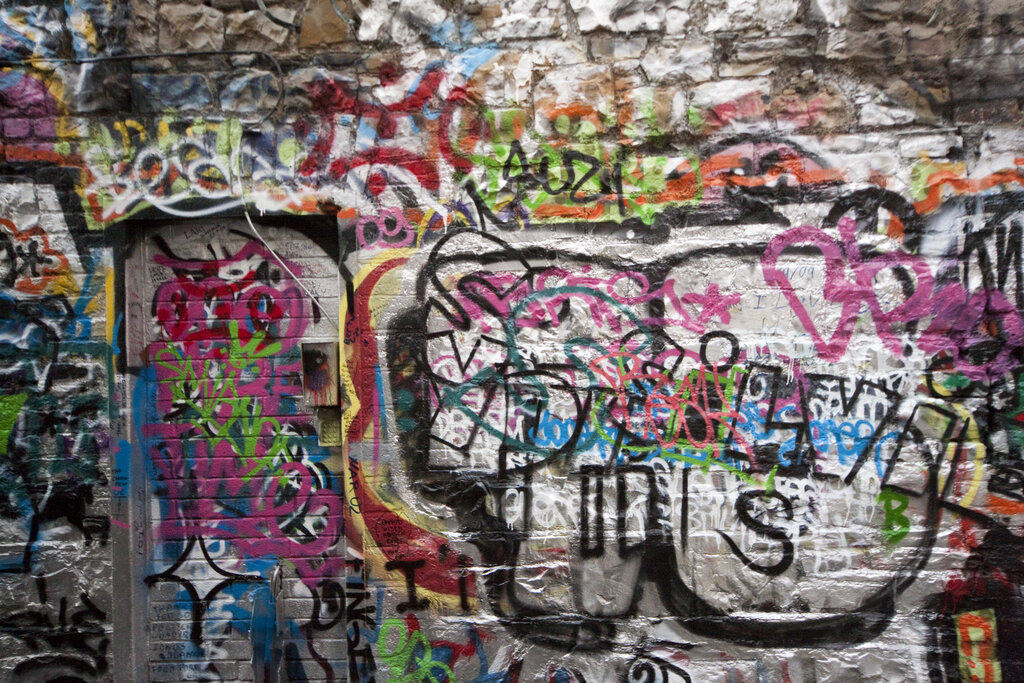
Street art is a broader category that often evolved from graffiti. It's more image-based and can include stencils, murals, posters, and sculptures. While some street art is also created without permission, many pieces are commissioned or created with the consent of the property owner. The primary goal is often to communicate a specific message or idea to the general public.
The simplest way to think about the difference is often graffiti is about the name, while street art is about the image and its message.
From Walls to Voices
Both graffiti and street art transform public spaces into platforms for conversation. By placing art in everyday environments, artists bypass the formal art world to speak directly to the community. They can turn a neglected alleyway or a massive public building into a canvas for social commentary.
This commentary can take many forms. An artist might use a stencil to critique a political leader, paint a mural to celebrate local history, or use a simple phrase to raise awareness about a social issue. The art becomes a way to start a dialogue about topics that matter, from inequality and environmentalism to war and peace.
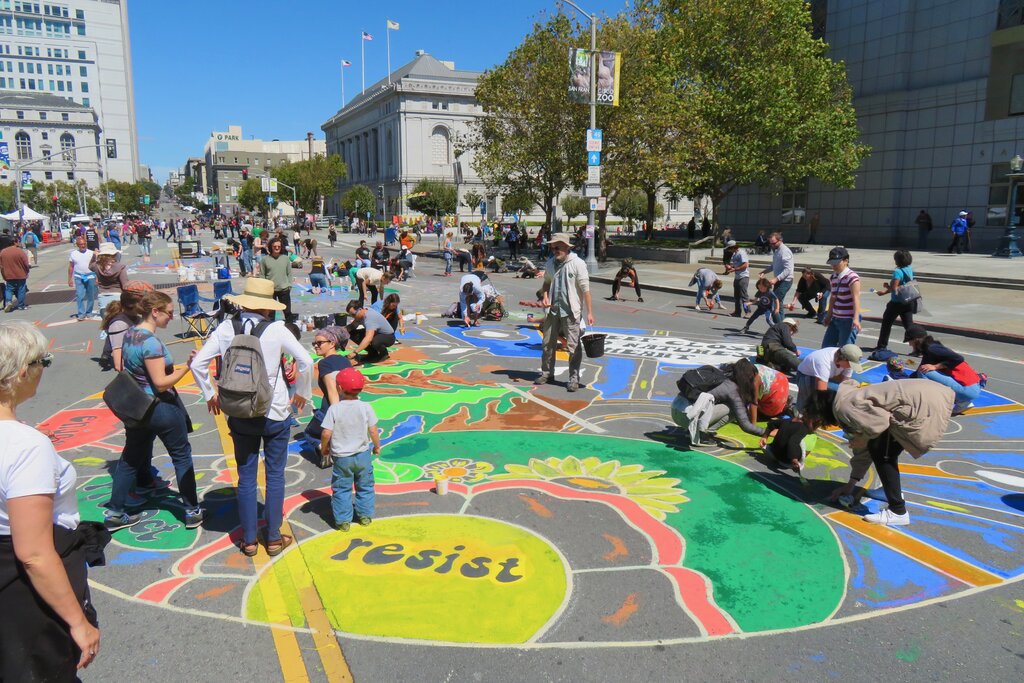
Because it’s public and accessible, this art forces passersby to engage with ideas they might otherwise ignore. It’s immediate, unfiltered, and deeply connected to the environment where it’s created. This direct engagement is what makes it such a potent tool for social change.
Street art has been a powerful tool in political and social movements, providing artists with a platform for social criticism and activism, often addressing pressing societal issues.
Now, let's check your understanding of these foundational concepts.
Which of the following is most characteristic of graffiti in its purest form?
Street art is a broader category than graffiti and is often more image-based.
Understanding these basics helps us see the city not just as a collection of buildings, but as a living gallery filled with important conversations.