Streamlining Course Update Requests
Understanding Triage in Course Management
First Things First
In any post-secondary institution, requests to update existing courses or build new ones are constant. A professor might need to refresh a decade-old curriculum, a department might want to launch a new program, or a simple typo needs fixing on a course page. Without a system, it's easy to get overwhelmed or simply work on whatever landed in your inbox first.
This is where triage comes in. The term is borrowed from emergency medicine, where it's used to sort patients based on the urgency of their needs. In course management, triage is the process of evaluating, sorting, and prioritizing incoming work requests to determine which ones need attention first. It’s a framework for deciding what's important, what's urgent, and what can wait.
Triage isn’t about working faster; it's about working on the right things in the right order.
Why Triage Matters
An educational institution has limited resources—staff time, instructional designers, and budget are all finite. At the same time, the volume of requests can be huge. A simple "first-come, first-served" approach is rarely effective. A request to fix a broken link might arrive moments before a request to build a key course for a new, high-profile degree program. The first task is quicker, but the second is far more critical to the institution's goals.
Without a triage process, teams often react to the loudest voice or the most recent email. This leads to inefficient use of resources and can delay high-impact projects. Important work gets buried under a pile of less critical tasks, simply because no one took the time to assess and prioritize the pile.
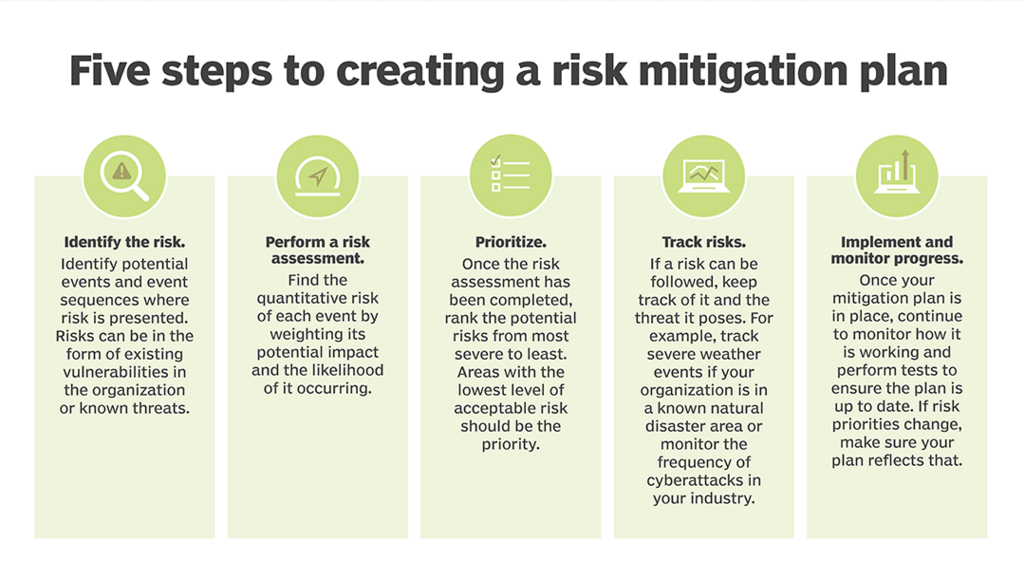
Implementing a formal triage system provides a clear, consistent method for evaluating every request against a set of established criteria. It moves the process from reactive to strategic.
The Payoff
A well-designed triage process offers several clear benefits. First and foremost, it boosts efficiency. By categorizing requests, simple tasks can be bundled and handled quickly, while complex projects are given the focused time they require. This ensures that resources are allocated appropriately.
It also aligns the day-to-day work with broader institutional goals. When you prioritize requests based on strategic importance—such as projects that increase enrolment or improve student retention—you ensure that your team's effort directly contributes to the institution's success.
Finally, triage improves transparency and communication. When stakeholders understand the criteria used to prioritize work, they have clearer expectations about timelines. This reduces frustration and builds trust in the course management process.
What is the primary purpose of implementing a triage system for course management in a post-secondary institution?
Without a formal triage process, course management teams often end up prioritizing tasks based on:
With a solid grasp of what triage is and why it's important, you can begin to think about how to apply it.