Streaming Business Models and Media Trends
Introduction to Streaming Services
The Streaming Revolution
Streaming is just a fancy word for watching or listening to something online without having to download it first. Think of it like a running tap. The water (the movie or song) flows to you when you want it, and you don't need to store the whole river in your house.
Not long ago, media was all about physical objects. You bought DVDs, CDs, or even cassette tapes. If you wanted to watch a new movie, you went to a store. If you wanted to listen to a new album, you bought the disc. This was the era of ownership.
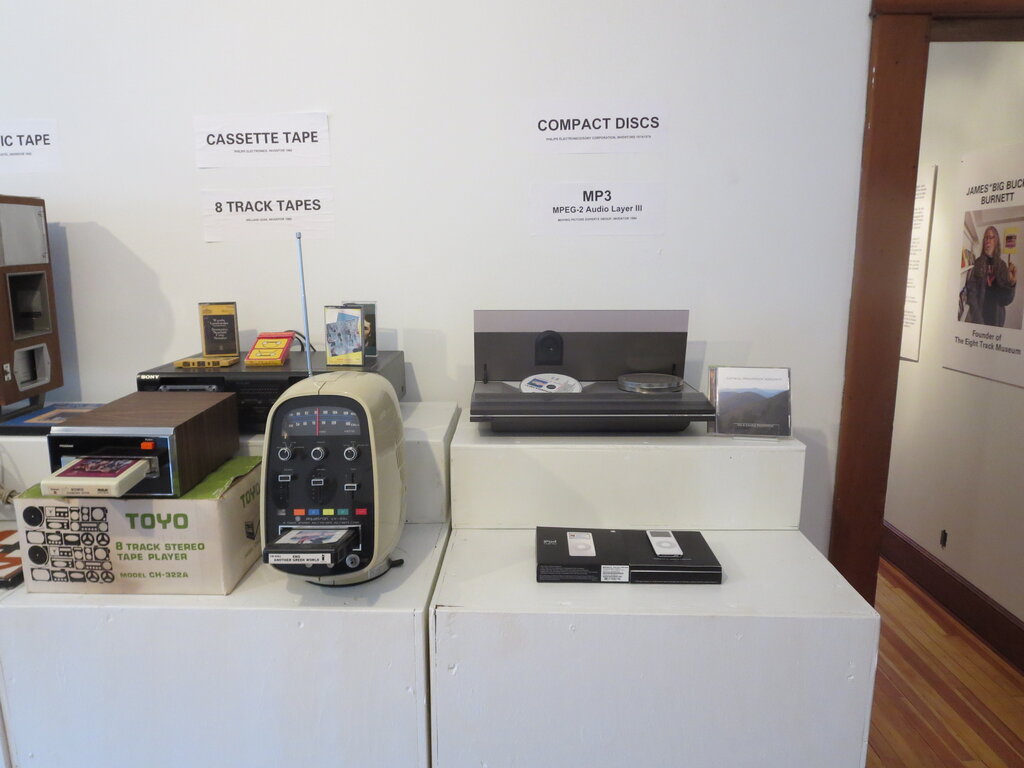
The internet first changed this with downloads. You could buy a song or a movie as a digital file and save it on your device. It was more convenient, but you still had to wait for the download to finish and manage your storage space.
Streaming was the next big leap. Instead of owning a file, you pay for access to a huge library of content that's available instantly. This shift from ownership to access completely changed how we interact with entertainment.
Kings of Content
When we talk about streaming, two names usually come to mind: Netflix and Spotify. They weren't the first to stream content, but they were the ones who perfected the experience and made it mainstream.
Netflix started by mailing DVDs to people's homes. They saw where the future was headed and made a bold move into streaming video in 2007. Suddenly, entire seasons of TV shows were available at the click of a button. This introduced the world to 'binge-watching' and set a new standard for how we consume television and movies. Instead of waiting a week for the next episode, viewers could watch a whole story unfold in one weekend.
Spotify did for music what Netflix did for video. It launched in 2008 and offered a massive, searchable library of songs. Before Spotify, digital music was dominated by purchasing individual tracks. Spotify's model was different: a flat monthly fee for unlimited access to almost any song you could think of. This convenience helped combat music piracy and reshaped the entire music industry.
The core innovation of these platforms wasn't just the technology. It was the shift from owning a limited collection of media to accessing a nearly limitless one.
Changing the Channel
The rise of streaming had a massive ripple effect across the entire media landscape. Traditional media outlets, which had operated the same way for decades, were forced to adapt or become irrelevant.
Cable television companies faced their biggest challenge yet. Why pay for a bundle of hundreds of channels you don't watch when you can subscribe to a service that gives you exactly what you want, whenever you want it? Movie theaters also felt the pressure, as streaming services began releasing their own high-budget films directly to their platforms.
For the music industry, the impact was just as profound. CD sales plummeted as listeners embraced the convenience of streaming. Radio stations, once the primary way people discovered new music, now competed with personalized, algorithm-driven playlists.
The rise of streaming services has had a profound impact on the traditional TV broadcasting industry.
What's Happening Now
The streaming world today is more crowded and competitive than ever. The success of Netflix and Spotify inspired countless other companies to launch their own services, leading to what many call the 'streaming wars.' Consumers now have an overwhelming number of choices for video, from Disney+ and HBO Max to Amazon Prime Video and Hulu.
To stand out, these platforms are pouring billions of dollars into creating original content. A unique, must-see show or movie can be the single biggest reason a person subscribes. This has led to a golden age of television production, with more high-quality programming than ever before.
Another major trend is the evolution of pricing. While the original model was a simple, ad-free subscription, many services now offer cheaper, ad-supported tiers. This hybrid approach helps attract customers who are more sensitive to price, making streaming accessible to a wider audience.
Let's review what we've covered about the world of streaming.
What is the primary difference between streaming media and downloading it?
The text describes the evolution of media consumption as a major shift from a model of _____ to a model of _____.
From changing how we watch movies to how we discover music, streaming has become a central part of modern entertainment.