Streaming Business and Media Trends
Streaming Industry Overview
The Streaming Revolution
Not long ago, our entertainment was dictated by a schedule. We tuned in at 8 PM for our favorite TV show and listened to the radio hoping to hear a new song. Buying music or movies meant owning a physical object—a CD, a DVD, a cassette tape. That world has almost completely vanished.
Today, we live in an on-demand world. Services like Netflix and Spotify have fundamentally changed how we consume media. Instead of waiting for a broadcast, we pull content from the internet whenever we want. This shift from 'push' (broadcast) to 'pull' (streaming) has put the consumer in control.
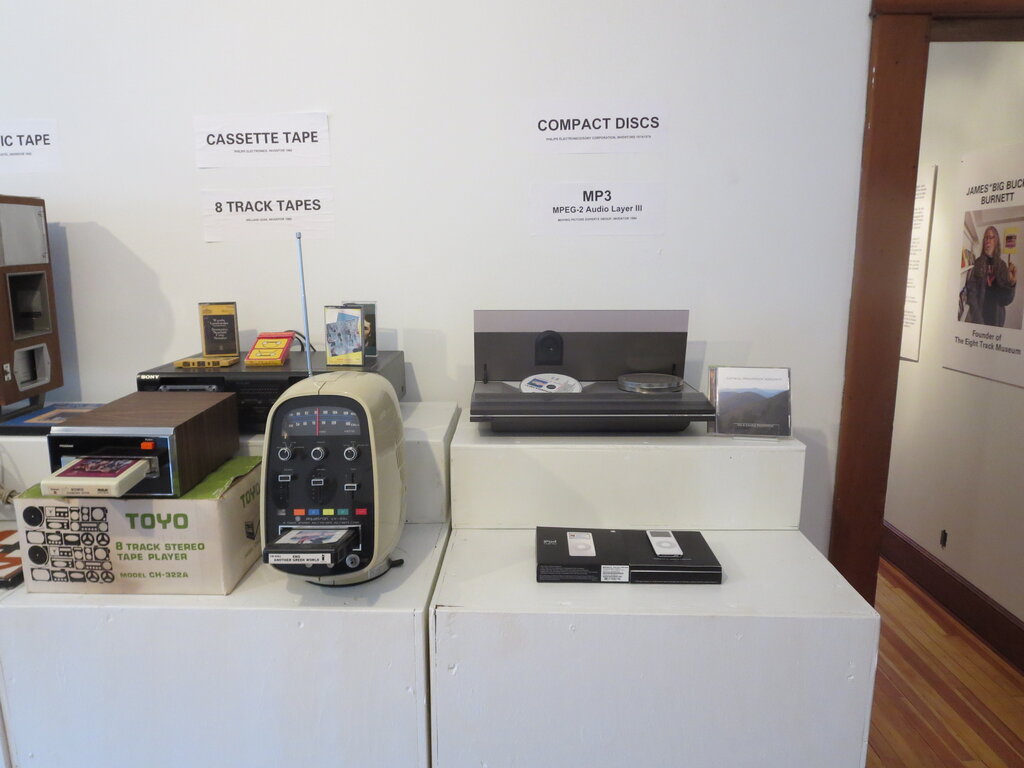
This evolution wasn't just about technology. Faster internet speeds and the rise of smartphones made streaming possible, but the real driver was a change in what we expect. We now value instant access, vast libraries of content, and personalized experiences over traditional ownership and scheduled programming.
How Streaming Makes Money
Streaming platforms might seem like magic, but they are businesses with clear strategies for generating revenue. Most of these strategies rely on a few core models.
Subscription
noun
A business model where a customer pays a recurring price at regular intervals for access to a product or service.
The subscription model, often called Subscription Video On Demand (SVOD), is the one Netflix made famous. You pay a flat monthly fee for unlimited, ad-free access to the entire library. It’s simple and predictable for both the user and the company.
Another popular approach is the advertising-based model, or AVOD. Services like YouTube's free tier or Pluto TV don't charge users a fee. Instead, they make money by showing advertisements, much like traditional broadcast television. The trade-off for the viewer is interruptions in exchange for free content.
| Model | How It Works | User Cost | Key Example |
|---|---|---|---|
| SVOD | A recurring fee for unlimited access. | Flat monthly/annual fee | Netflix (Standard) |
| AVOD | Content is free to watch, supported by ads. | Free (with ads) | YouTube, Tubi |
| Hybrid | A lower-priced subscription with some ads. | Reduced monthly fee | Netflix (Basic with ads), Hulu |
| TVOD | Pay-per-view for specific content (rent/buy). | Varies per title | Apple TV+, Amazon Prime Video |
Increasingly, companies are blending these models. A hybrid approach offers a cheaper subscription tier that still includes some ads. This helps attract price-sensitive customers who don't mind commercials. Finally, some services use a Transactional (TVOD) model, where you can rent or buy digital movies and shows individually.
The intensifying competition in the streaming marketplace has led to evolving monetization strategies, with many platforms now offering tiered pricing models incorporating advertising.
The Players and The Game
The streaming landscape is crowded and fiercely competitive. While hundreds of platforms exist, a few giants dominate the market. In video, Netflix is the pioneer and a global leader. In music and audio, Spotify holds a similar position.
These companies didn't just build websites; they built entire ecosystems. Their market position comes from massive content libraries, powerful recommendation algorithms that learn your tastes, and strong brand recognition. However, their dominance is constantly challenged. In video, Disney+, Amazon Prime Video, and HBO Max are major rivals. In audio, Apple Music and Amazon Music are Spotify's primary competitors.
This intense competition, often called the "streaming wars," forces platforms to spend billions of dollars on creating original content and securing licensing deals to attract and retain subscribers. It's a high-stakes game where having a large, engaged user base is the key to success.
The core driver behind the streaming revolution is simple: people want to watch and listen to what they want, when they want, and where they want.
Before we move on, let's review the key concepts we've covered so far.
Now, test your understanding of these business models and the overall market.
The fundamental shift from traditional broadcast television to on-demand services is best described as a move from a 'push' model to a:
A streaming service that charges a flat monthly fee for unlimited, ad-free access to its entire library is using which revenue model?
Understanding these fundamentals—the shift to on-demand, the different revenue models, and the competitive landscape—is crucial for analyzing the strategic choices these companies make to stay on top.