Strategy and Impact of the Non-Cooperation Movement
Post-War Radicalization
The End of Fair Play
After World War I, the political mood in India soured. Hopes for greater self-rule, promised in exchange for India's significant contributions to the war effort, were met with a frustrating reality. The British offered the Montagu-Chelmsford Reforms in 1919, which introduced a system called dyarchy. This split provincial governance between Indian ministers and British officials. While it looked like a step forward, the British kept control over the most important portfolios like finance, law, and order. Indian leaders had responsibility but no real power. It was a hollow gesture, and it didn't take long for nationalists to see it as an attempt to quiet dissent without granting meaningful autonomy.
The reforms were a classic case of giving with one hand while taking with the other. Key areas of government remained firmly under British control, making true self-governance impossible.
As discontent simmered, the British government tightened its grip. Citing wartime revolutionary activities, they passed the Anarchical and Revolutionary Crimes Act of 1919, better known as the Rowlatt Acts This legislation was a slap in the face to civil liberties. It allowed the government to imprison any person suspected of terrorism for up to two years without a trial. It also gave imperial authorities the power to silence the press. For Indians who had just fought for the freedoms of the British Empire, this was a profound betrayal. The promise of partnership was replaced by the fist of repression.
A Massacre and a Turning Point
The response to the Rowlatt Acts was immediate and widespread. Protests erupted across the country. In the city of Amritsar, Punjab, tensions reached a breaking point. On April 13, 1919, thousands of unarmed civilians, including women and children, gathered peacefully at Jallianwala Bagh, a walled public garden. They were there to celebrate a religious festival and protest the new laws. What happened next shattered any remaining faith in British justice. Acting under the command of Brigadier-General Reginald Dyer, troops blocked the only main exit and opened fire on the crowd without warning. They fired until their ammunition was nearly exhausted.
The official British inquiry reported nearly 400 deaths, but the Indian National Congress estimated the number was closer to 1,000, with many more wounded. The event became a symbol of colonial brutality.
The Jallianwala Bagh massacre was a psychological wound that never healed. It proved to many that the British Raj was not a system of law and order, but one of brute force. The idea of appealing to British 'fair play' through petitions and constitutional debate now seemed naive. The moderate wing of the Indian National Congress, which had long advocated for gradual reform within the empire, lost its credibility. The political atmosphere had been radicalized overnight. The demand was no longer for a greater say in government; it was for complete self-rule.
Gandhi's Ascendancy
This period of intense disillusionment set the stage for a new leader and a new strategy. Mohandas K. Gandhi, who had returned to India in 1915 after years in South Africa, had been organizing nonviolent protests, but the events of 1919 propelled him to the forefront of the national movement. He understood the deep sense of anger and betrayal felt by ordinary Indians. He offered a method that channeled this anger away from violence and toward organized, mass civil disobedience, which he called satyagraha, or 'truth-force'.
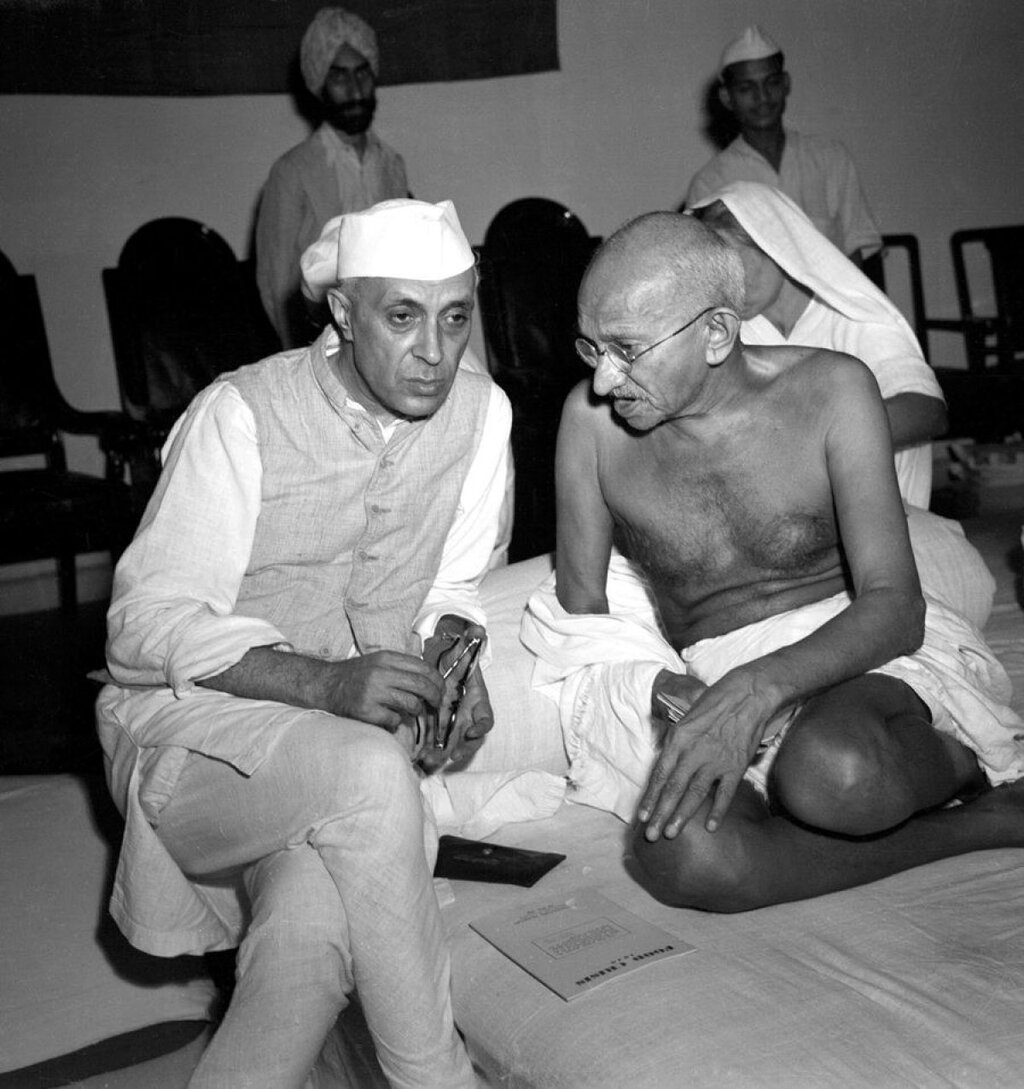
Gandhi's approach resonated with millions. It was an active, defiant stance that didn't require weapons, making it accessible to everyone. Within the Indian National Congress (INC), the old guard of moderates was sidelined. Gandhi reshaped the INC from an elite, urban-based debating society into a mass political organization with roots in villages across the country. The failure of British reforms, the cruelty of the Rowlatt Acts, and the horror of Amritsar created a political vacuum. Gandhi filled it, transforming the freedom struggle into a nationwide movement based on non-cooperation and peaceful resistance.
Here's a quick check on the key events that fueled this shift.
Ready to test your understanding of this critical turning point in India's history?
What was the main reason the system of 'dyarchy', introduced by the Montagu-Chelmsford Reforms, was considered a hollow gesture by Indian nationalists?
The Rowlatt Acts of 1919 were seen as a betrayal by many Indians primarily because they...
The era of polite requests was over. The stage was now set for a direct confrontation with the British Empire, led by a man who wielded the power of nonviolence.